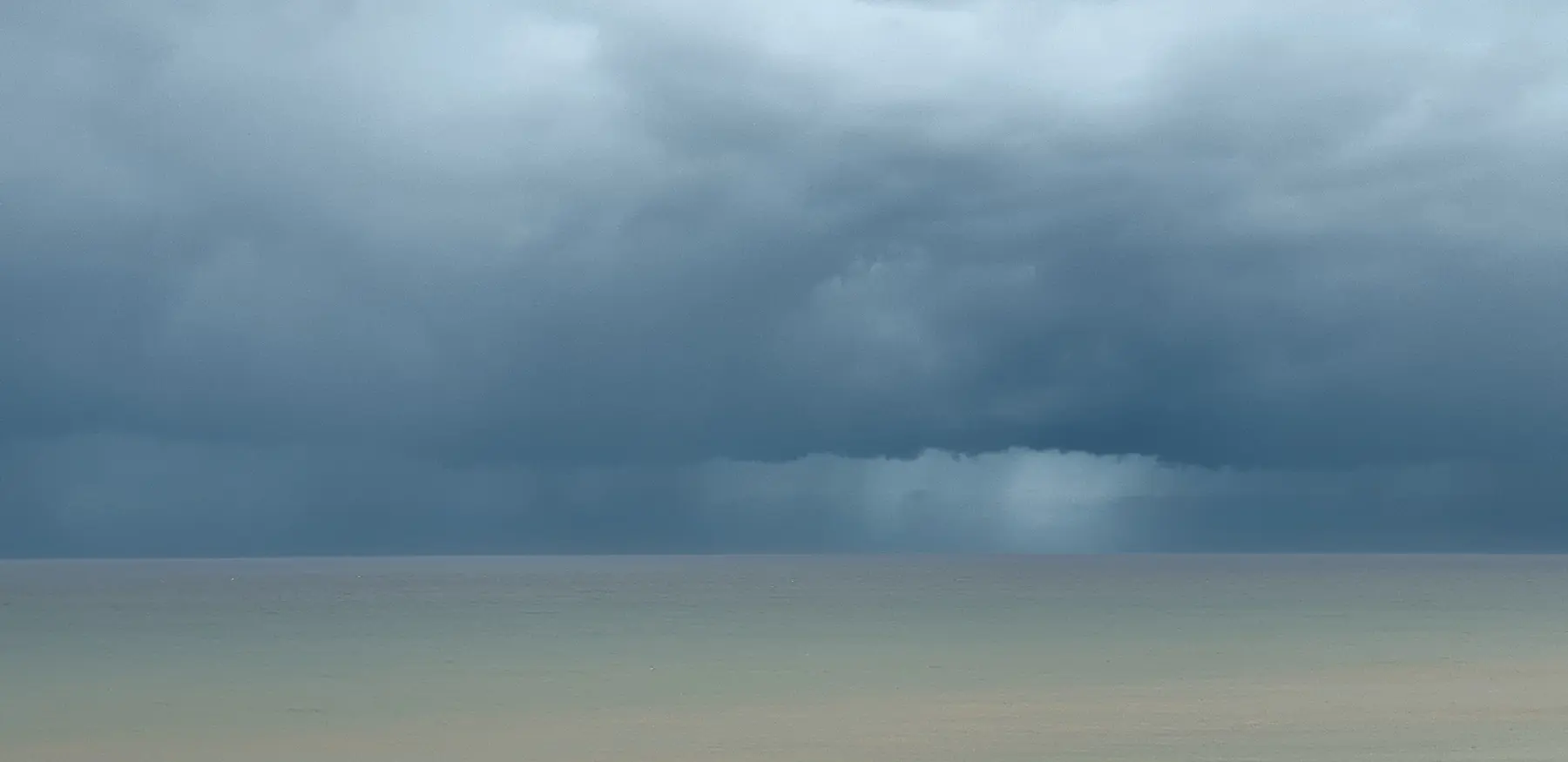
United Kingdom Weather and When to Visit
Mild, maritime and famously changeable: pack for four seasons and you will not go far wrong
Ask anyone who has spent time in the United Kingdom what the weather is like and you will usually get a shrug and a smile rather than a straight answer. It is a temperate maritime climate, which in practice means mild, damp and changeable rather than harsh in either direction. Genuinely extreme heat or cold is rare; the more familiar pattern is a bright morning, a shower by lunchtime, and sun again for the evening. Locals plan around this rather than against it, and visitors who do the same tend to have a better trip.
Because England, Scotland and Wales stretch across a good distance north to south and sit either side of a hilly spine, there is real variation to plan around, not just a single national forecast. The gentler, drier south and east differ noticeably from the wetter, wilder west and the cooler far north. This guide covers the broad patterns of climate, daylight and the best times to visit, plus a few practical notes on packing and, for anyone heading to the Scottish Highlands in summer, the midge.
The Climate: Mild, Maritime and Changeable
The United Kingdom sits in the Atlantic path of weather systems that roll in one after another, which is the root cause of its reputation for changeability. Warm, moist air off the ocean keeps winters mild by comparison with other places at a similar latitude, and keeps summers from getting properly hot for long. The trade off is that rain is possible in any month, and a forecast can shift within the same day.
The saying about experiencing four seasons in a day is a bit of an exaggeration, but only a bit. It is entirely normal to leave a hotel under grey cloud, get caught in a brief shower an hour later, and be back in sunshine by mid afternoon. The upside of this restlessness is that a wet start rarely ruins a whole day; it is worth carrying on with plans rather than writing off the outing at the first spot of rain, since it often clears.
Regional Variation: West Versus East, North Versus South
The single most useful thing to understand about British weather is that it is not one weather system, it is several, and geography explains most of the difference. Weather fronts arrive from the west and are forced upward by hills and mountains, which wrings more rain out of them before they reach the other side of the country. That is why Wales, the Lake District and western Scotland are consistently wetter and greener, with dramatic skies and hills that are often wrapped in cloud, while the south east and much of eastern England are drier overall and see a touch more summer warmth.
The Scottish Highlands add another layer again: this is the coolest part of the country year round, with a wetter climate than the Scottish and English lowlands and proper winter snow settling on the higher ground, which is what makes the region so good for hillwalking in summer and for winter scenery, if not for winter driving. None of this is absolute; a wet week can happen anywhere and a dry, sunny spell can happen anywhere too. But if choice of region is flexible, it is a genuine factor worth weighing.
- •West (Wales, the Lake District, western Scotland): wetter, hillier, dramatic light and cloud, lush scenery
- •East and South East England: drier overall, slightly warmer summers, the best odds of a settled spell
- •Scottish Highlands: coolest and wettest overall, snow on higher ground in winter, glorious in clear summer weather
- •Lowland Scotland, the Midlands and much of Wales: somewhere in between, changeable rather than consistently wet or dry
Daylight and the Seasons: The Swing That Shapes Your Day
Because the UK sits at a fairly high latitude, the swing in daylight between summer and winter is much bigger than in southern Europe or much of the United States, and it becomes more pronounced the further north you go. In midsummer, evenings stretch on and on; in Scotland in particular, it barely gets properly dark around the solstice, and long light well into the late evening is one of the country's quiet highlights, ideal for an evening walk, a round of golf, or dinner with a view still visible at nine or ten at night.
Winter reverses this completely. Days shorten noticeably everywhere, and in the far north of Scotland the difference is stark, with darkness falling mid afternoon around the shortest days. This is not a reason to avoid a winter trip, but it does change the shape of a day: city sightseeing, museums, cosy pubs and early dinners suit winter well, while long hill walks and full days outdoors are better suited to the lighter months when there is simply more usable daylight to work with.
When to Visit
For the most reliable combination of decent weather and long daylight, May to September is the broad sweet spot, and this holds fairly consistently across England, Scotland and Wales. Within that window, late spring and early autumn, roughly May, early June, and September, are worth particular attention: the days are still long, the light is often lovely, and the crowds and prices of high summer have not yet arrived or have already eased off.
Midsummer, roughly July and August, is when the country is busiest and priciest, especially around well known sights, coastal towns and the Highlands, and it is also the peak of the Scottish school holidays. Winter has its own appeal, atmospheric cities, Christmas markets, cosy pubs by the fire, but it brings shorter days and a higher chance of persistent rain, so it suits city breaks better than it suits hill walking or touring remote coastlines.
Tips
- •If hillwalking or the Highlands are the priority, aim for May, June or September for the best odds of clear tops and fewer crowds
- •Booking well ahead matters more in July and August, particularly for Edinburgh, the Lake District and popular parts of the Scottish coast
- •A few consecutive dry, settled days can happen in any season; do not assume a week of rain just because it is the UK
- •Shoulder season travel usually means better value on accommodation as well as a quieter experience
Midges, Layers and What to Actually Pack
One very specific practical note for anyone heading to western and Highland Scotland between roughly late spring and early autumn: the Highland midge. These tiny biting insects are a genuine nuisance rather than a myth, and they are at their worst at dawn and dusk, in still, humid conditions, and near lochs, glens and other bodies of still water. A breeze or bright sun tends to keep them away, which is why exposed, breezy spots are more comfortable than sheltered glens on a calm evening.
Dealing with them is straightforward: a proper insect repellent (midge specific brands are widely sold locally), long sleeves and trousers at dawn and dusk, and a head net for serious hillwalking or camping in the worst affected areas all help enormously. Beyond the Highlands, the general packing rule for the whole country is the same regardless of season: layers that can go on and off through the day, a genuinely waterproof jacket rather than just showerproof, and comfortable, sturdy shoes that can cope with a sudden change from pavement to muddy path. Pack for changeable weather and the changeable weather stops being a problem.
Tips
- •Carry a lightweight, packable waterproof at all times between April and October, even on a forecast that looks dry
- •Midge repellent and a head net are worth it for Highland walking or camping trips in summer
- •Layers beat one heavy coat; temperatures can shift several times in a single day
- •Waterproof, broken in footwear is more useful than an umbrella once you are away from cities