Castles and Heritage Passes
Four organisations look after most of the UK's castles and stately homes, and knowing which is which can save you a small fortune.
Turn up at almost any castle, stately home, abbey ruin, or grand garden in the United Kingdom and there is a good chance it is run by one of a handful of heritage organisations rather than by the family that once lived there or a local council. That sounds like a dry bit of admin, but it matters a great deal to your trip, because each of these bodies sells its own membership and its own short term visitor pass, and once you have seen two or three of their sites the maths on a pass usually works out in your favour.
This guide is about getting your head around who runs what before you go, so you can work out whether a pass is worth buying, and if so, which one. It will not tell you what anything costs, because prices change every year, but it will tell you honestly how the system works and how to think about your own itinerary.
Who Actually Runs All These Castles
England, Scotland, and Wales each have their own arrangement, and Scotland has an entirely separate charity from the one covering England and Wales, so it genuinely helps to keep them straight rather than assume it is all one big National Trust. The good news is there are really only a handful of names to learn, and once you know them you will start spotting their signage everywhere from Cornwall to the Cairngorms.
Broadly speaking, charities look after historic houses, gardens, and swathes of coast and countryside, while government backed heritage bodies look after ancient monuments, ruined abbeys, and many of the castles proper. Both types of site charge for entry unless you already belong to the relevant scheme, so this distinction is the first thing worth sorting out when you are planning where to go.
- •National Trust: a charity covering England, Wales, and Northern Ireland, caring for historic houses, gardens, coastline, and countryside. Well known properties include Corfe Castle in Dorset and Chartwell, Winston Churchill's home in Kent.
- •National Trust for Scotland: a separate charity doing the equivalent job north of the border, looking after places such as Culzean Castle on the Ayrshire coast and the Glenfinnan Monument by Loch Shiel.
- •English Heritage: cares for hundreds of historic monuments and castles in England, including Stonehenge, Dover Castle, and Kenilworth Castle.
- •Historic Environment Scotland, trading under the Historic Scotland name at its sites: cares for Scotland's great castles and monuments, including Edinburgh Castle and Stirling Castle.
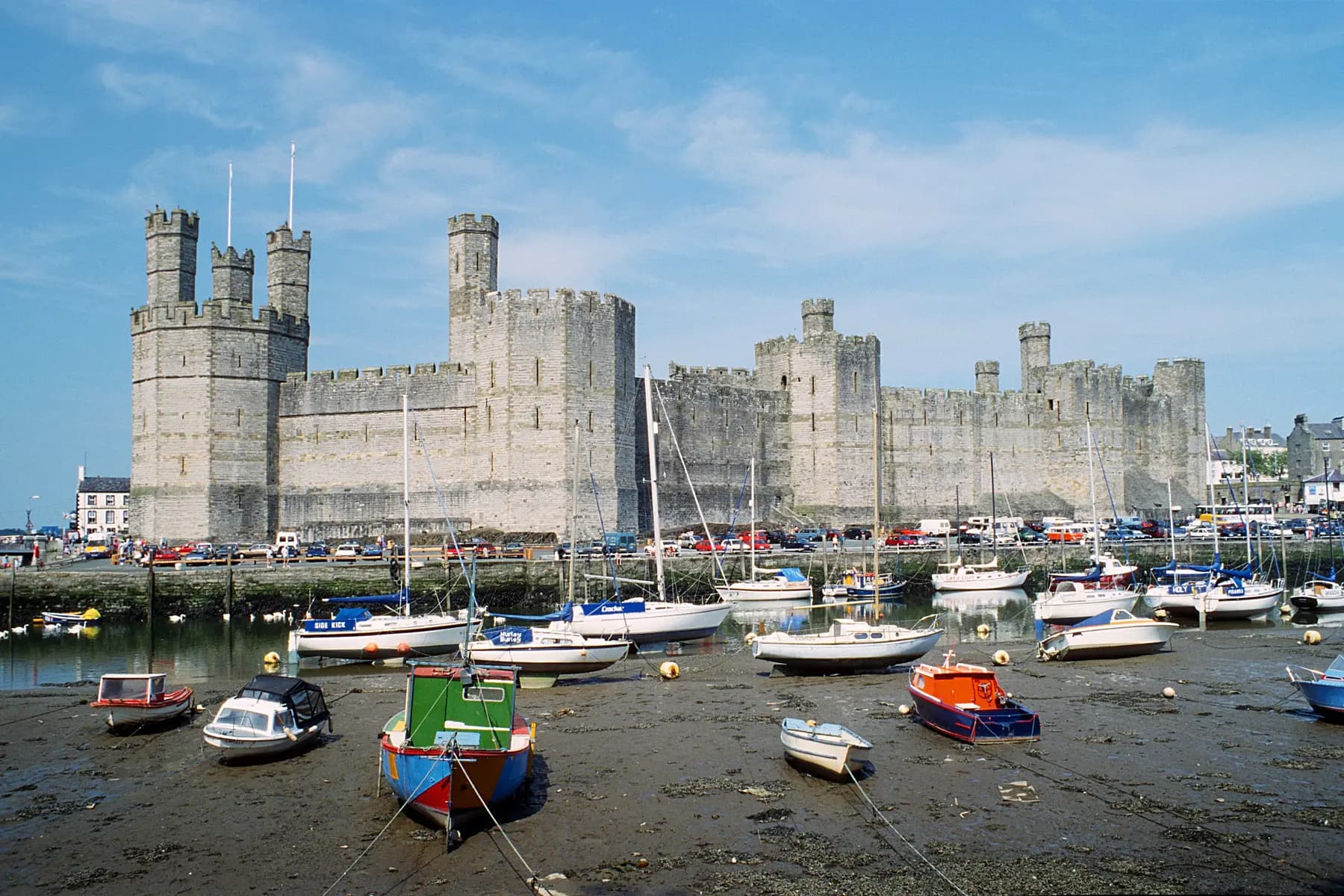
- •Cadw: the Welsh Government's historic environment service, caring for Wales's castles and monuments, including Caernarfon, Conwy, and Harlech castles.
Membership or a Short Pass: How the System Works
Each of these organisations offers full annual membership, which is aimed at people who live here or plan to visit regularly, and which also gets you free parking at many National Trust car parks, something that adds up quickly if you are touring by car. Annual membership makes sense if you are staying for several weeks, plan on visiting a good number of sites, or simply know you will be back in the UK again within the year.
For visitors who are only here for a week or two, all three organisations also sell a short term pass pitched squarely at tourists: the National Trust's Touring Pass, English Heritage's Overseas Visitor Pass, and Historic Environment Scotland's Explorer Pass, each valid for a set run of consecutive or flexible days rather than a full year. These work like a season ticket for your trip: you buy once, then walk into any of that body's sites without paying separately at the gate.
One arrangement worth knowing about is the reciprocal deal between the National Trust and the National Trust for Scotland: membership of one gets you into the other's properties too, so a National Trust member touring Scotland is not locked out of Culzean or Glenfinnan, and vice versa for a National Trust for Scotland member heading south. Historic Environment Scotland, English Heritage, and Cadw do have a reciprocal arrangement with each other, though it works differently: full annual members get half-price admission to the other two bodies' sites in their first year, moving to free entry from their second year on renewal. That benefit applies to annual membership only, not to the short-term visitor passes, so a Touring Pass, Overseas Visitor Pass, or Explorer Pass on its own still does not open doors run by the other bodies.
Which Pass Is Worth It for Your Trip
The honest answer is that it depends entirely on where you are going and how you like to travel. If your route is mostly English castles, cathedrals, and country houses, an English Heritage pass paired with National Trust membership covers the bulk of what you will want to see. If you are spending most of your time in Scotland visiting Edinburgh Castle, Stirling Castle, and a few Historic Scotland sites along the way, the Explorer Pass is the obvious pick, and it is worth checking whether Historic Environment Scotland and National Trust for Scotland properties overlap enough on your route to justify both.
A useful rule of thumb: work out roughly how many paid sites you realistically expect to visit and what a typical entry fee costs at each, then compare that running total to the price of the pass. In practice, one big ticket castle such as Edinburgh or Caernarfon plus two or three historic houses or gardens is often already enough to make a pass pay for itself, so it is worth doing this sum before you dismiss a pass as an unnecessary extra.
If your itinerary genuinely crosses all three nations, a mix of passes, or a mix of one pass plus paying as you go for the odd site, usually works out better than trying to buy your way into everything, since no single scheme covers the whole country.
Tips
- •Check each site's website or ticket page before you travel to confirm which organisation actually runs it; some grand looking properties are privately owned or run by local trusts and are not covered by any of these passes.
- •Buy visitor passes online in advance where possible, and have them ready on your phone or printed, since some sites do not sell them at the gate.
- •If your trip includes both Scotland and the rest of the UK, remember the National Trust and National Trust for Scotland reciprocal arrangement before you consider buying membership of both.
- •Keep receipts or your membership card handy, since sites will ask to see proof before waving you through without a ticket.