British Drinks
From a cellar-cool pint of bitter to a peaty island dram, Britain's drinks culture rewards a bit of curiosity.
England, Scotland, and Wales share plenty when it comes to drinking, but each brings something distinct to the table. This is the country that gave the world cask ale and Scotch whisky, that drinks more tea per head than almost anywhere else, and that has, in the last fifteen years or so, quietly become one of the more exciting places on earth to drink gin. None of it is showy. Most of it is bound up with routine: the after-work pint, the tea break, the dram at the end of a long walk. That is part of the appeal.
Visitors often arrive with assumptions that do not quite hold up. Beer here is not served ice cold and it is not automatically flat and warm either; whisky is not one thing but a whole set of regional traditions with real differences in style; tea is not a delicate afternoon ritual so much as the drink people reach for constantly, all day, without ceremony. This primer sets out what is actually going on with British drinks, region by region and habit by habit, so you know what you are ordering and why it tastes the way it does.
Cask Ale and Cider: The Real Ale Tradition
Cask ale, often called real ale, is beer that finishes its fermentation in the cask it is served from, rather than being force carbonated and chilled like most lager. It is a genuinely British institution, kept alive in large part by CAMRA, the Campaign for Real Ale, a consumer group founded in the early 1970s specifically to stop brewers abandoning traditional cask beer in favour of cheaper, more consistent keg products. The distinction still matters in pubs today: cask beer is a living product, looked after by the cellar staff, and when it is kept well it has a depth and softness that keg versions of the same beer simply do not have. Bitter and pale ale are the classic cask styles, though the last couple of decades have brought a genuine craft brewing boom across all three nations, with small breweries experimenting well beyond the traditional bitter template.
The single biggest surprise for visitors is temperature and fizz. Cask ale is served cool, roughly cellar temperature, not fridge cold, and it carries a soft, gentle carbonation rather than the sharp fizz of lager. This is deliberate, not a fault: the flavour of a good bitter opens up at that temperature in a way it would not served ice cold. If a pint arrives less cold and less bubbly than expected, that is the style working as intended, not the beer being off.
Cider is its own strong tradition, especially in the West Country, with Somerset and Herefordshire the heartlands of English cider production. There is a real gap between commercial cider, which is what you will find in most supermarkets and many pubs, and traditional farmhouse cider, often called scrumpy, which is cloudier, drier, more variable from batch to batch, and considerably stronger in flavour and sometimes in alcohol. Scotland and Wales do not have the same cider heartland status as the West Country, though cider is drunk everywhere.
Tips
- •Order a half pint if you want to try more than one cask ale without committing to a full pint of something you might not love.
- •Look for handpumps on the bar, the lever-operated pulls, as the visual sign a pub serves cask ale rather than only keg and lager.
- •If you are in Somerset or Herefordshire, seek out a proper cider house or farm shop for traditional scrumpy rather than judging West Country cider by the supermarket version.
Scotch Whisky: Scotland's Signature Spirit
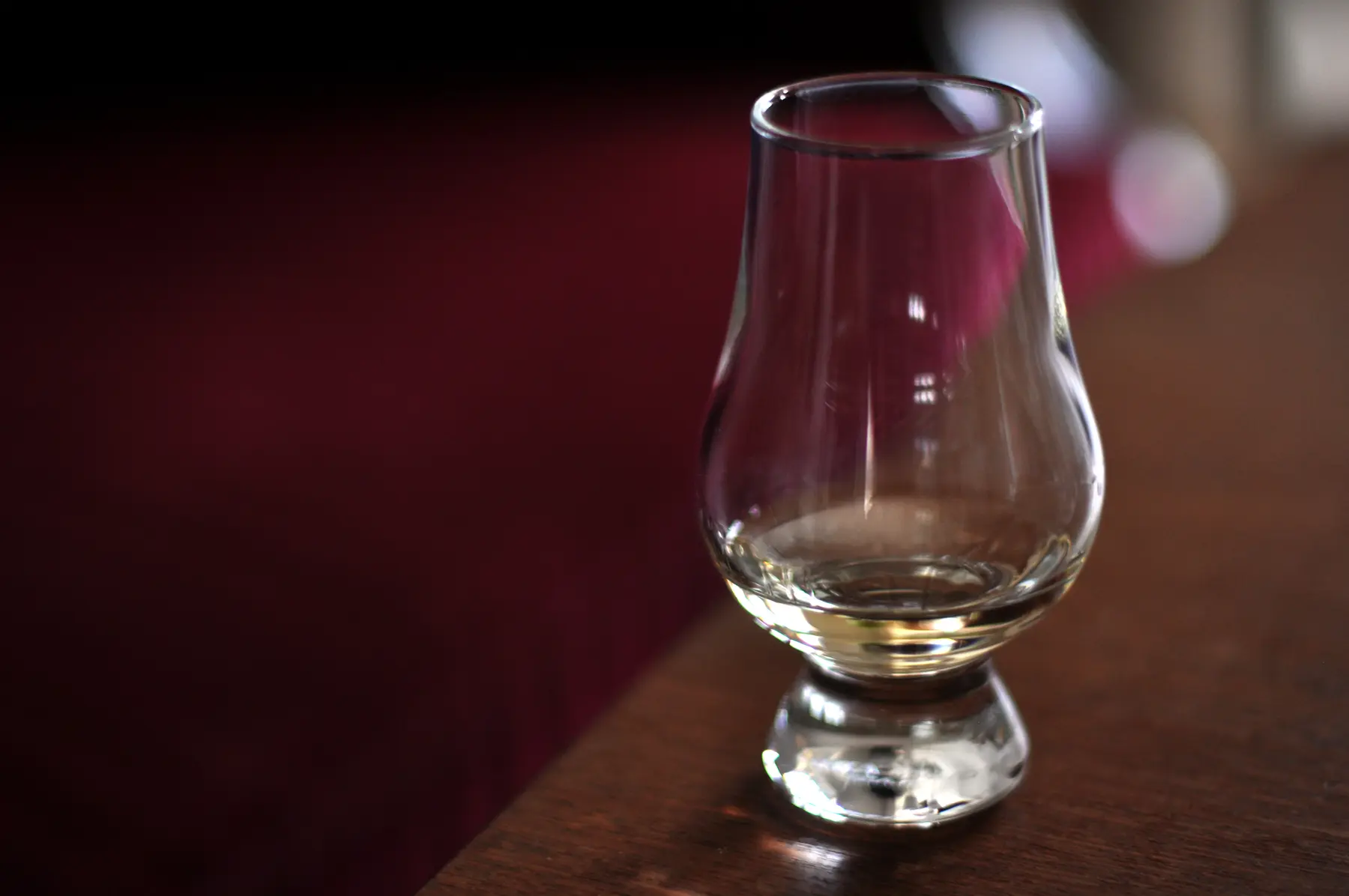
Scotch whisky is Scotland's defining drink and one of Britain's best known exports, and it comes with real regional variety worth understanding before you order. Islay, the small island off Scotland's west coast, is known for a bold, peaty, smoky style that divides opinion, people tend to love it or find it overwhelming. Speyside, in the north east, produces the largest concentration of distilleries and tends towards lighter, sweeter, more fruit-driven malts. The Highlands cover a huge and varied area, so styles differ a good deal from distillery to distillery, while the Lowlands generally produce gentler, softer whiskies. Campbeltown, once a major whisky town in its own right, is now home to only a handful of distilleries but retains its own distinct, slightly oily character.
The other key distinction is single malt versus blended. Single malt whisky comes from one distillery and is made entirely from malted barley; blended whisky combines whiskies from multiple distilleries, often mixing malt and grain whisky, to achieve a consistent house style. Blends make up the large majority of Scotch sold worldwide and are worth taking seriously rather than dismissing as the lesser option; plenty of them are excellent and were the standard way most people drank whisky for generations.
Visiting a distillery is one of the better ways to actually understand all this: most working distilleries in Scotland offer tours covering the production process, finishing with a tasting, and staff are generally happy to talk you through what makes their region's style distinctive. When it comes to ordering, a whisky is usually asked for as a dram. Adding a splash of water or a single ice cube is entirely a matter of personal taste, not a breach of etiquette; a little water can open up the aroma of a strong malt, but there is no obligation to add anything at all.
Tips
- •Ask for a flight, a small tasting selection, if you want to compare regional styles side by side rather than committing to a full dram of one.
- •Tell the bartender roughly what you like, whether that is smoky and peaty or lighter and sweeter, and let them recommend something rather than guessing from the label.
Gin and the New Wave of British Spirits
Gin has had a genuine renaissance in Britain over the last fifteen or so years. Small distilleries have opened across England, Scotland, and Wales, moving well beyond the classic London dry style into all sorts of botanical variations, and gin bars with long, carefully curated menus are now a normal sight in most sizeable towns and cities. The gin and tonic remains the default serve and for good reason: it is simple, it lets a well made gin's botanicals actually show through, and pretty much every bar in the country can make one properly.
Worth a mention too is English sparkling wine, a smaller but genuinely emerging category concentrated in the south of England, particularly across Kent, Sussex, and Hampshire, where the chalky soil has real similarities to that of the Champagne region in France. It is still a minority interest compared with beer, whisky, or gin, but it is increasingly taken seriously and worth trying if you come across a vineyard or wine bar promoting it.
Tea: The Everyday National Drink
Tea, not beer or whisky, is the drink that actually gets consumed most in Britain, all day, by almost everyone. The standard everyday cup, often called builder's tea, is a strong, robust black tea served with milk, brewed properly rather than given a token dunk of the bag. It is the drink of the mid morning break, the arrival at someone's house, the pause in a stressful day, and it is taken as standard rather than as anything precious.
There is a real social ritual bound up in it too: offering a visitor a cup of tea is a basic gesture of hospitality, and turning the kettle on is often the first thing that happens when someone arrives. Ordering tea is completely normal in any setting, from a greasy spoon cafe to a smart restaurant, and nobody will think it an odd thing to ask for alongside or instead of alcohol.
What to Order Where
In a traditional pub, a cask ale or bitter from the handpump is the natural order, and asking the bar staff what is good that day, or what is brewed locally, tends to get a genuinely helpful answer rather than a brush off. Pub staff are generally proud of a well kept cask beer and happy to talk about it.
In a Scottish whisky bar, order a dram and be honest with the bartender about what flavours you enjoy; they will steer you towards something appropriate rather than assuming you want the smokiest thing on the shelf. There is no need to know the regions in detail before you ask, that is what the conversation with staff is for.
In a West Country cider house, ask specifically for something traditional or farmhouse rather than the mainstream commercial cider, since the difference in character can be considerable. Across all these settings, asking staff or locals for a recommendation is not just accepted, it is usually the best way to find something genuinely worth drinking rather than the safest default on the menu.