Ireland Weather and When to Visit
Four seasons in a day, why that is fine, and when to actually come
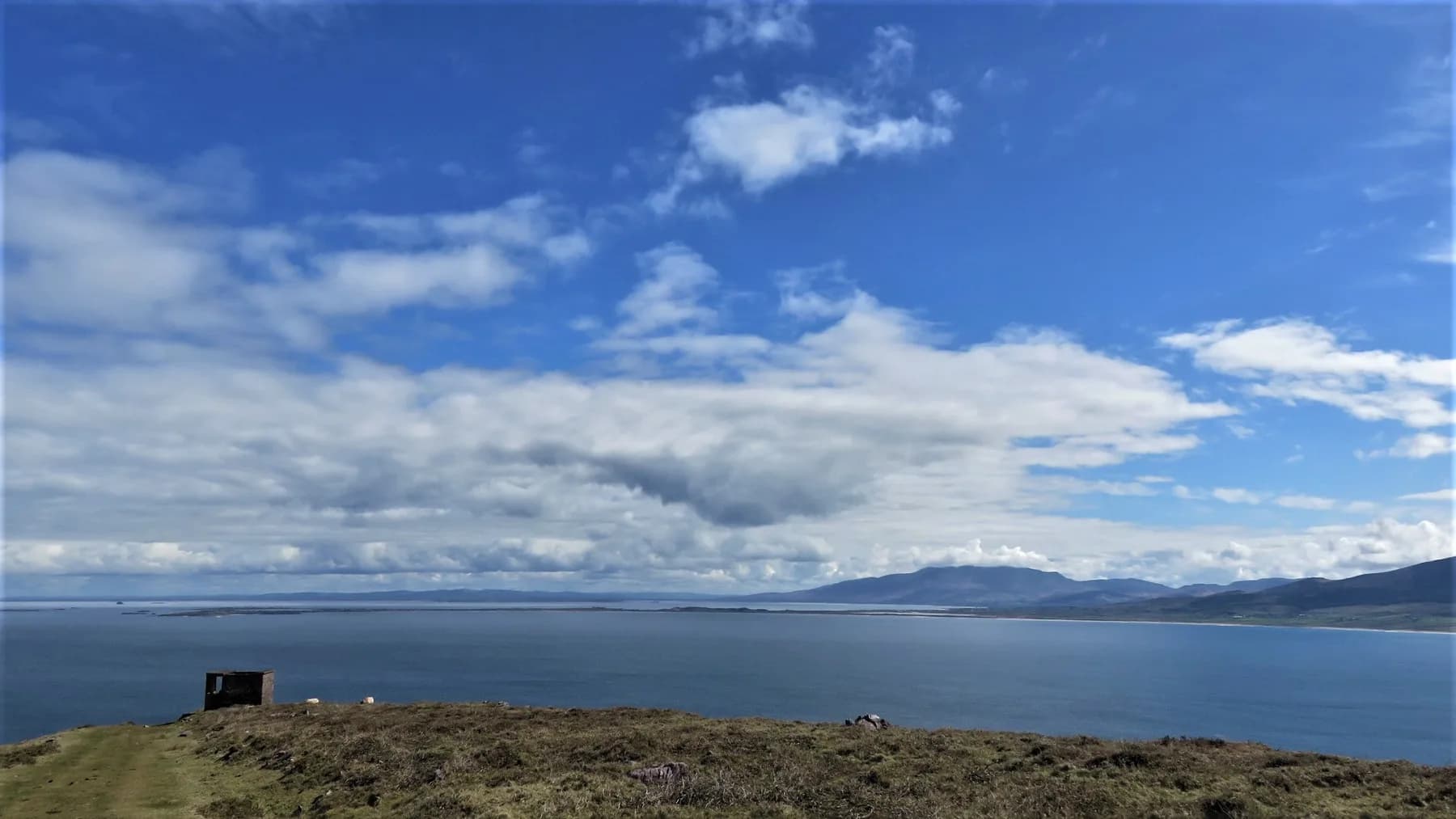
Ireland's weather has a bad reputation and a mild reality. It rains often but rarely hard, it is grey more than it is cold, and the temperature almost never does anything dramatic in either direction. The Atlantic keeps the whole island temperate: soft, damp, and changeable, with the same day frequently offering sun, cloud, a shower, and sun again within an hour.
The practical upshot for a visitor is simple. You do not plan around the forecast, because the forecast changes. You dress for all of it, keep your plans flexible, and get on with the day. This page covers what to expect, when to come, and how to pack.
The Weather, Honestly
Ireland has a temperate oceanic climate. The North Atlantic Current keeps it far milder than its latitude (level with Newfoundland and southern Alaska) would suggest, so extremes are rare in both directions. Hard frost and lying snow are unusual outside the hills; genuine heat is rarer still. What you get instead is a lot of moderate, moving weather.
Rain is frequent but usually light and passing rather than torrential. The west and the high ground are noticeably wetter than the east and the midlands; Dublin and the east coast are among the driest parts of the country. The phrase you will hear, and then experience, is 'four seasons in one day'. It is not an exaggeration; it is a packing instruction.
Tips
- •A blue sky at breakfast is not a promise. A grey sky at breakfast is not a threat either.
- •If you wait for perfect weather to do the coastal walk, you will not do the coastal walk.
Temperatures Through the Year
The range is narrow. In the coldest months, January and February, mean daily temperatures sit around 4 to 7 degrees Celsius. In the warmest, July and August, they run about 14 to 16 degrees, with daytime highs of 17 to 20 depending on how far you are from the coast. A hot Irish day is the mid-twenties, and it makes the news.
Because the swing is so small, the seasons feel less like temperature changes and more like changes in light and rain. Spring is the driest stretch; autumn and early winter are the wettest. You are dressing for wind and damp far more often than you are dressing for cold.
The Daylight Swing
This is the detail most visitors underestimate. Ireland sits far enough north that daylight changes dramatically across the year. Around the June solstice, Dublin gets about 17 hours of daylight, and with the long northern twilight it stays genuinely bright until nearly 11pm. You can walk a cliff path after dinner in full light.
The winter solstice is the mirror image: roughly 7 and a half hours of daylight, with the sun down by about half four in the afternoon. Nothing is wrong; the day is simply short. Plan sightseeing for the middle of the day in December and January, and treat the long summer evenings as the genuine bonus they are.
Tips
- •In June and July, book evening activities. The light easily supports them.
- •In December, front-load outdoor plans before 3pm. Museums, pubs, and food fill the dark evenings.
When to Visit
The shoulder seasons are the sweet spot. May and June bring the driest, brightest stretch of the year, long evenings, and hedgerows in flower, without the peak crowds. September holds much of the warmth and light while the summer visitors thin out, and it carries a run of good food and cultural festivals.
July and August are the warmest and busiest: best availability of everything tourist-facing, but the highest prices and the fullest sites, and no guarantee of sun for your trouble. Winter is quiet, cheap, and atmospheric, with short days and a cosy pub-and-fire rhythm, though some rural attractions and smaller coastal businesses close or cut their hours.
Tips
- •For the best balance of weather, light, and space, aim for late May, June, or September.
- •If you are set on an outdoor-heavy trip, weight the odds and go in the drier first half of the year.
How to Pack
Layers, always. The trick to Irish weather is not one heavy coat but several light things you can add and shed as the day turns. A warm mid-layer plus a properly waterproof and windproof outer shell will carry you through most of the year. Even in summer, pack a jumper and a rain jacket; even in winter, you rarely need more than a good coat.
Footwear earns its place. Comfortable, waterproof walking shoes or boots matter more than anything stylish, because the good stuff (cliff paths, headlands, wet grass, cobbles) is done on foot. Leave the umbrella hopes at home for the coast: the wind turns umbrellas inside out, and a hood is far more use.
Do
- ✓Pack a waterproof outer layer whatever the season.
- ✓Bring comfortable, waterproof footwear you can walk miles in.
- ✓Layer up, so you can adjust as the day changes.
Don't
- ×Do not rely on an umbrella near the coast; the wind wins.
- ×Do not pack for the forecast alone; pack for all four seasons.
- ×Do not assume summer means shorts weather; a jumper still earns its place.