Money and Practicalities in Ireland
Euro, tipping, tap water, plugs, and the handful of things worth knowing before you land
Ireland is an easy country to spend money in. Cards work almost everywhere, tipping is light and low-pressure, the tap water is fine, and prices on the shelf are the prices you pay. This page is the short, practical rundown: currency, costs, tipping norms, and the small technical stuff (plugs, water, phones) that is annoying to get wrong and simple to get right.
One thing to fix in your head first: there are two currencies on this island. The Republic of Ireland uses the euro. Northern Ireland, part of the United Kingdom, uses the pound sterling. If your trip crosses the border, you cross a currency line too, even though there is no checkpoint to mark it.
Currency and Cards
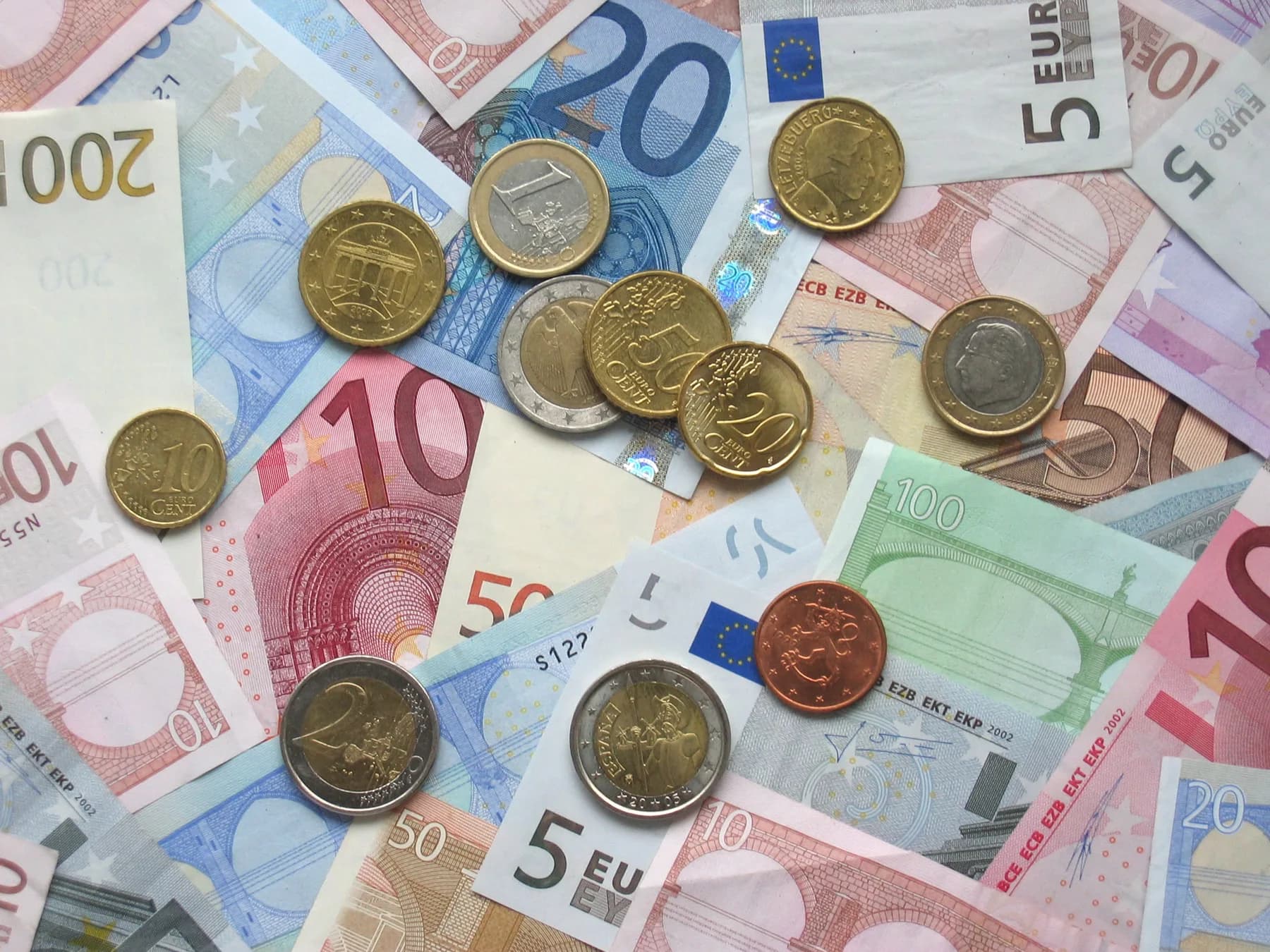
The Republic uses the euro. Card and contactless payment are universal: you can tap for a coffee, a bus fare, or a restaurant bill in almost any town, and contactless works up to 50 euro per tap before a PIN is needed, and that cap does not apply when you pay from a phone or watch. ATMs are common in towns and cities and generally the cheapest way to get cash if you want some.
You will not need much physical cash, but a little is worth carrying. Some small rural pubs, market stalls, honesty boxes at trailheads and car parks, and the odd taxi still prefer it, and tips are easiest in coins. Prices shown in shops and on menus already include VAT, so the marked price is the final price.
Tips
- •If your card offers to charge you in your home currency at the terminal, decline it and pay in euro; the built-in conversion rate is poor.
- •Keep 20 to 40 euro in cash for small pubs, parking, and tips.
- •Northern Ireland is sterling. Do not assume euro will be accepted across the border, though some border towns will take it at a poor rate.
Tipping
Tipping in Ireland is genuine but modest, and never the fraught obligation it is in the United States. Service staff are paid a proper wage, so a tip is a thank-you for good service rather than a subsidy. In a sit-down restaurant, 10 to 15 percent for good service is normal. Check the bill first: many places add an automatic service charge for larger groups, often around 10 to 20 percent, and you should not tip twice.
Elsewhere it is lighter. In pubs you do not tip for drinks bought at the bar. In taxis you round up to the nearest euro or two. In cafes and for counter service, a bit of change in the jar is plenty. Nobody chases you, nobody sulks, and there is no shame in tipping little where the service was incidental.
Do
- ✓Tip 10 to 15 percent for good table service in restaurants.
- ✓Check for an existing service charge before adding more.
- ✓Round up the taxi fare; add a euro or two if the driver handles bags.
Don't
- ×Do not tip on drinks ordered at a pub bar; it is not expected.
- ×Do not feel obliged to tip for counter or takeaway service.
- ×Do not tip on top of a service charge you have already been billed.
What Things Cost
Ireland is not a cheap country, and Dublin in particular runs to city prices, but nothing about it is a shock if you have travelled in western Europe. A pint of stout averaged just over 6 euro nationally in late 2025, by the CSO's count, and expect 7 or more in central Dublin. A casual cafe lunch or a pub carvery is one of the best value meals going; a sit-down dinner with wine climbs quickly, as everywhere.
Accommodation is the line that moves most. Dublin hotel prices spike in summer and around big events, so book early for July and August. Outside the capital, and in the shoulder seasons, rooms are far more reasonable. Public transport is inexpensive, especially with a Leap Card (covered on the Getting Around page).
Tips
- •The pub carvery lunch is the best value hot meal in the country; use it.
- •Book Dublin accommodation well ahead for summer; rates rise sharply and sell out.
- •A Leap Card cuts public transport fares by 20 to 30 percent over cash tickets.
Tap Water and Plugs
Tap water from the public mains is safe to drink across Ireland; carry a refillable bottle and skip buying it. On rare occasions a local area is placed under a temporary boil-water notice, which is well publicised locally when it happens, but for a visitor in a town or city the tap is fine and free.
Plugs are the three-pin Type G socket, the same as Britain, running on 230 volts at 50 hertz. Travellers from North America need both a plug adapter and a device that handles 230 volts (most phone and laptop chargers do; check hairdryers and the like). Travellers from continental Europe need a plug adapter but not a voltage converter.
Tips
- •Bring a Type G (UK-style) adapter; it is the same plug used in Northern Ireland and Britain.
- •Refill your water bottle from the tap; bottled water is an unnecessary expense here.
Staying Connected and Emergencies
Mobile coverage is good in towns and along main roads, and patchier in the mountains and the remote west, which is worth knowing before you rely on live navigation on a rural drive. Visitors from the EU can usually roam on their home plan at no extra cost; visitors from further afield can buy a local prepaid SIM or an eSIM cheaply for data.
The emergency number is 112 or 999; both work and both connect to Garda (police), ambulance, fire, and coast guard. Pharmacies are widespread and pharmacists give good over-the-counter advice for minor ailments. The public healthcare system charges non-residents, so travel insurance is worth having.
Tips
- •Download offline maps before heading into the mountains or the far west, where signal drops.
- •Save 112 as the emergency number; it works from any phone, including with no credit.