Discover Skerries
A working harbour town that never stopped being a seaside resort
What's On
Upcoming events and things happening in Skerries
Skerries Mills Farmers Market
RecurringA weekly Saturday produce and craft market in the Skerries Mills courtyard, roughly 10:00-14:00, year-round.
Skerries Midsummer Festival
RecurringA community festival with music, harbour fireworks and beach activities over the late-May bank holiday. 2026: 29 May-1 June.
Skerries Traditional Music Weekend
RecurringTop trad players, concerts, workshops and pub sessions the first weekend of June. 2026: 5-7 June.
Rockabill Roseate Tern Season
Returns annuallyEurope's largest roseate tern colony breeds on the Rockabill islands from May to early August; view by sea tour.
Skerries Right Now
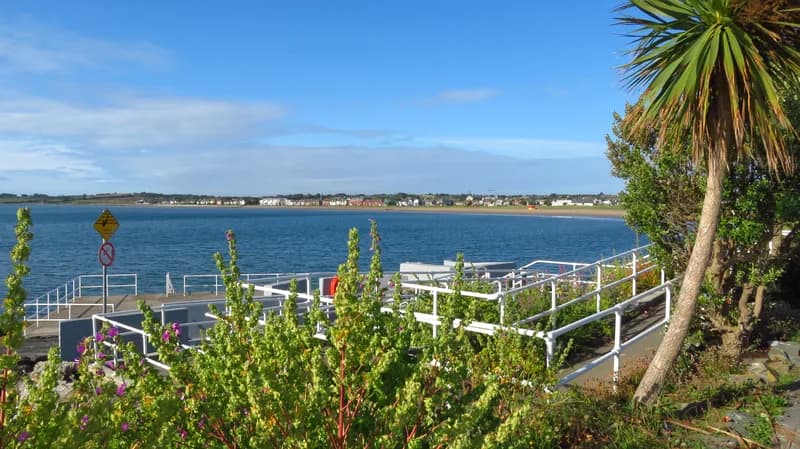
Skerries faces the open Irish Sea, so the wind direction matters more than the forecast temperature. An easterly builds a swell at the harbour and the Springers and is what cancels the island sea tours; a westerly leaves the coast calm.
🚂 Commuter from Skerries
Northbound and southbound trains
Skerries station. Updates every minute
🌊 Tides
Skerries Harbour
Heights relative to chart datum
The Rocky Islands
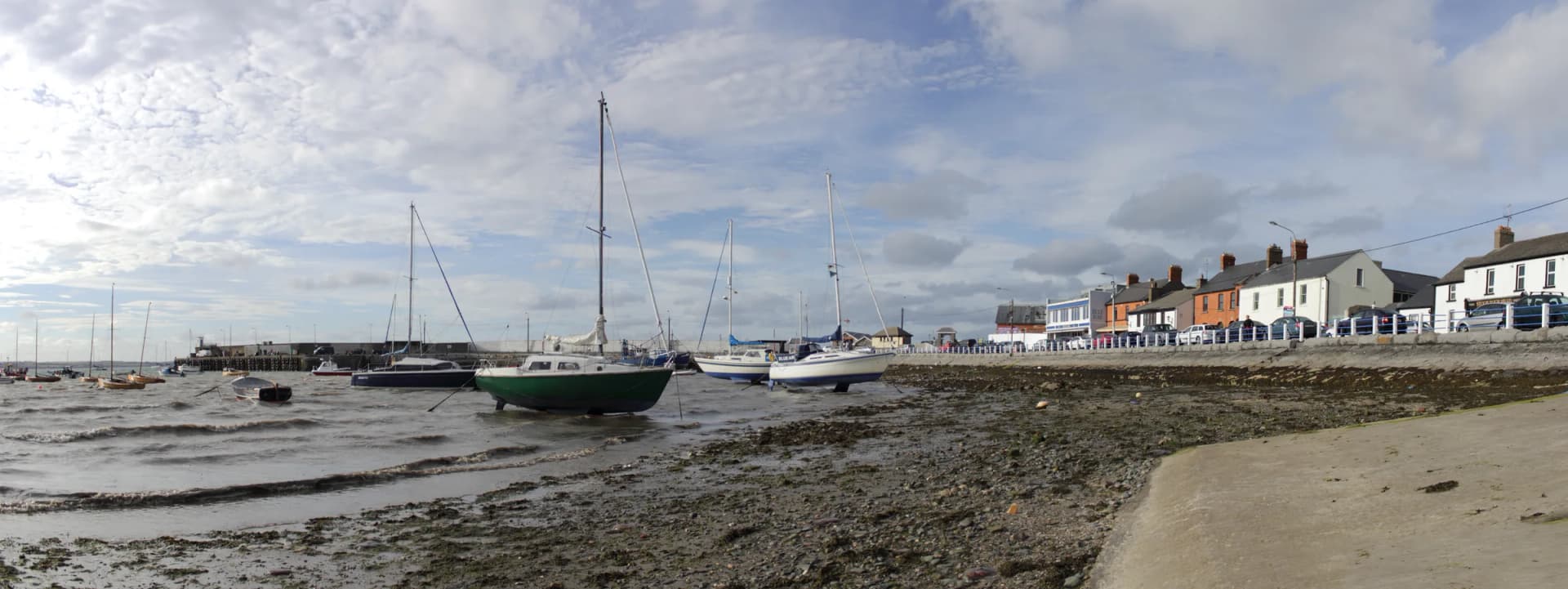
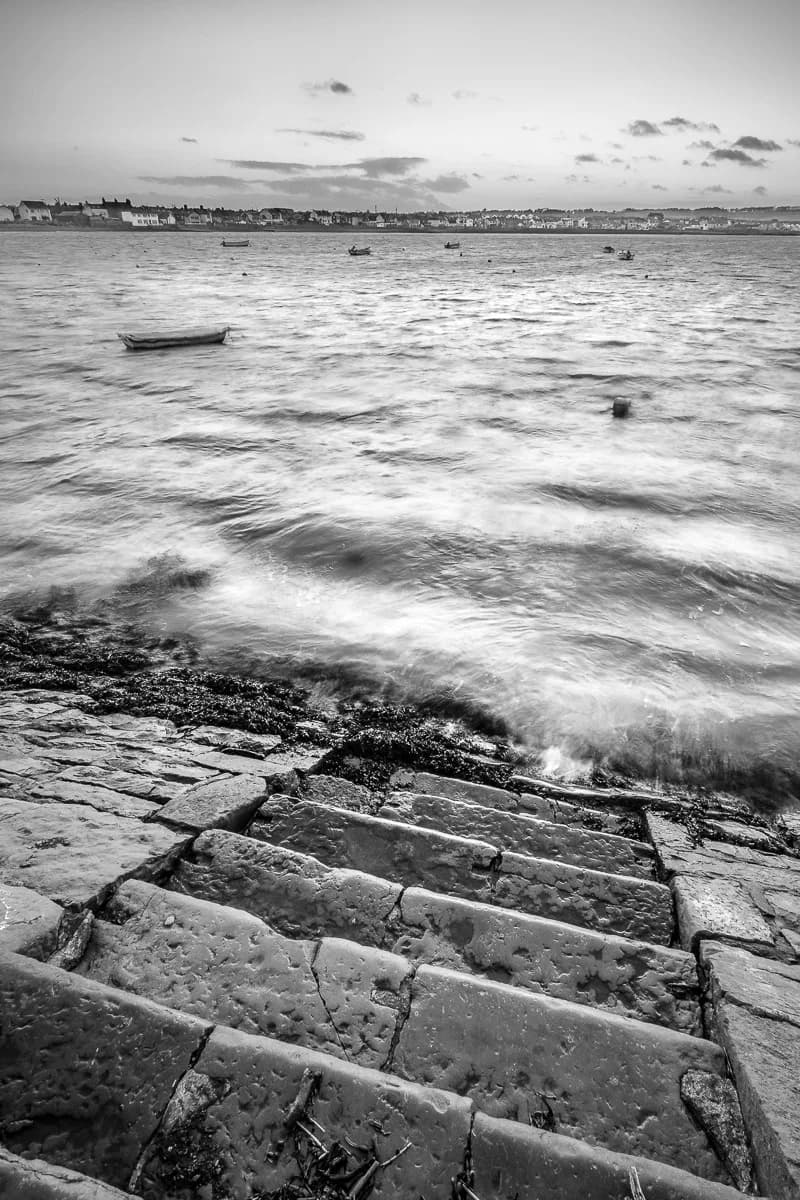
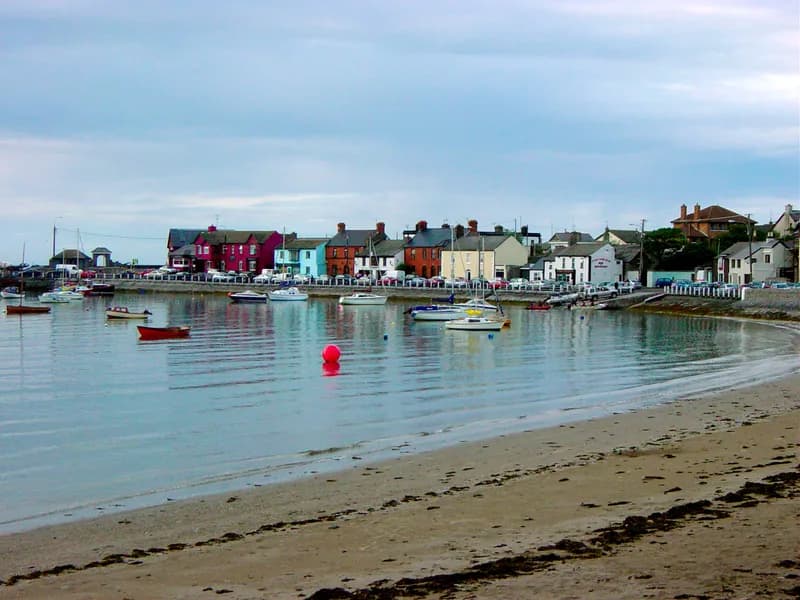
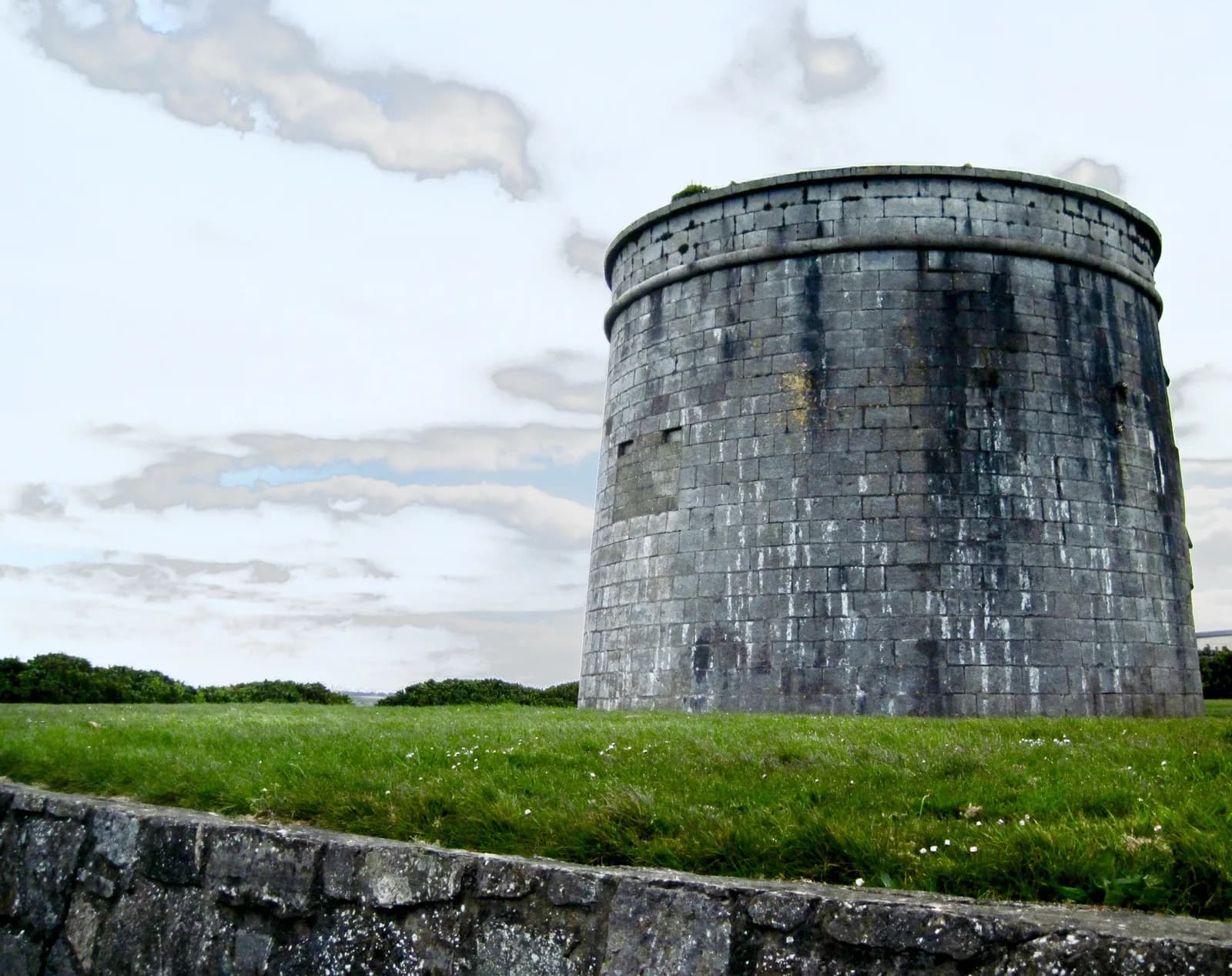
Skerries takes its name from the Old Norse sker, a rocky island or reef, and the islands are still the first thing you notice from the harbour. Shenick, with its Martello tower, is close enough to walk to at the lowest tides. Colt and St Patrick's sit further out, and Rockabill, the Cow and the Calf, carries a lighthouse four miles offshore and the biggest breeding colony of roseate terns in Europe. The Vikings raided the monastery on Church Island in 797, one of their earliest recorded landings in Ireland, and the Norse stayed long enough to leave the town its name.
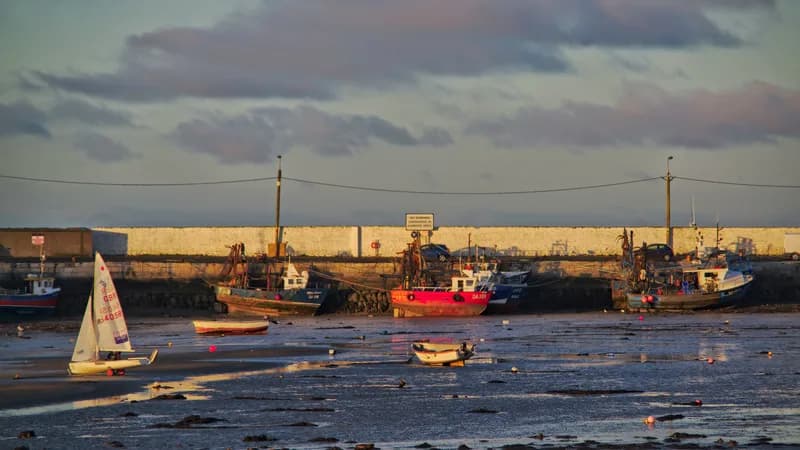
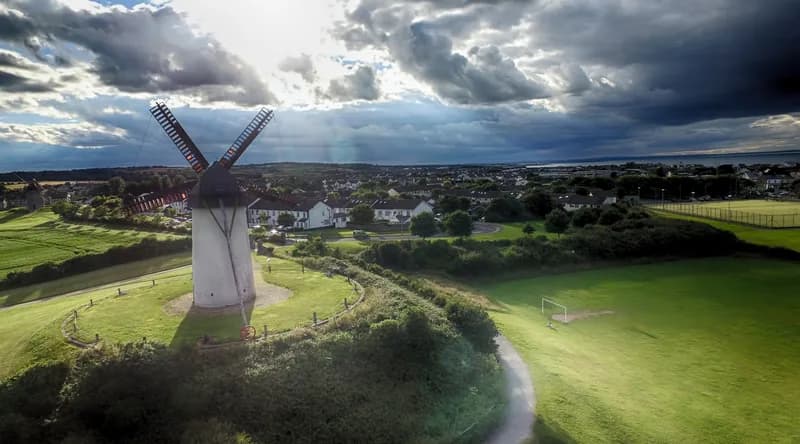
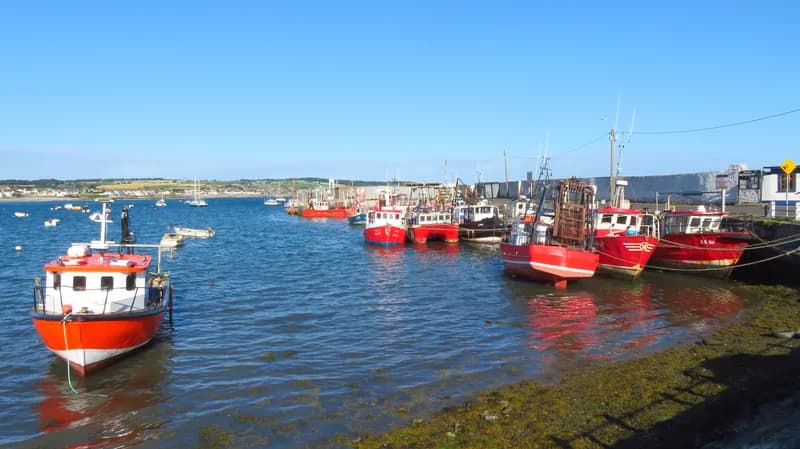
The harbour was a serious fishing port into the 20th century, and a centre of hand embroidery before that. Both industries faded, and Skerries became what it is now, a commuter town for Dublin thirty kilometres south and a seaside resort that the rest of Fingal comes to on a fine day. The windmills on the hill behind the town milled flour from the medieval monastery of Holmpatrick; restored and turning again, they anchor the Saturday market. What holds it all together is the sea, and a town that swims in it all year round.
Where To Eat
From fine dining seafood to fish and chips by the harbour
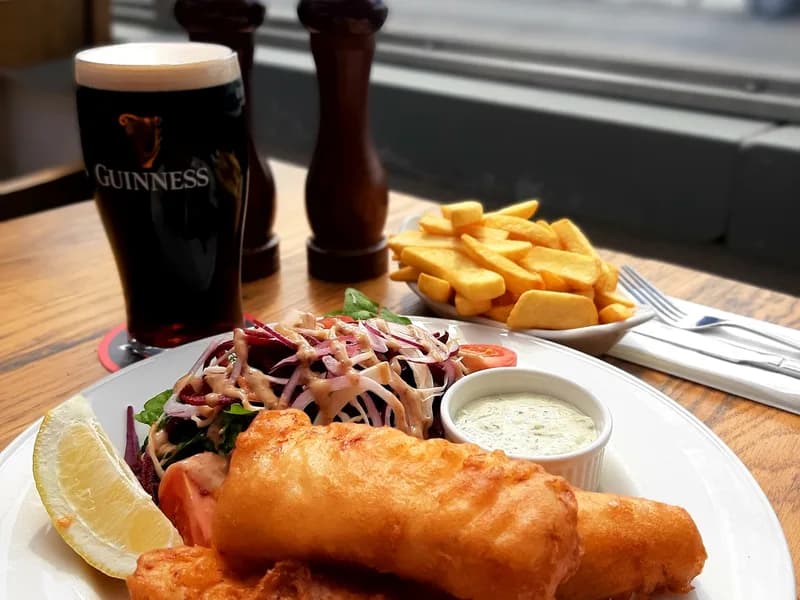
Stoop Your Head
Harbour-front seafood, family-run, no bookings. Chowder, crab claws and the town's fish and chips.
Blue Bar
Harbour cafe-bar and grill with the best terrace in town, wings, and a Red Island seafood platter.
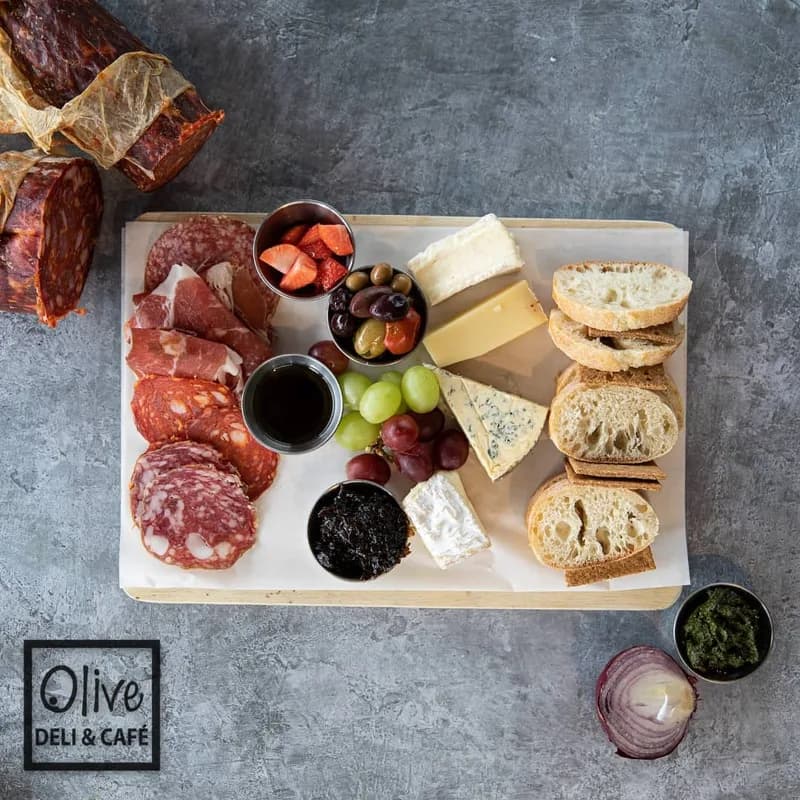
Olive Cafe & Deli
The town's daytime headquarters since 2005, on Strand Street. Coffee, pies, melts and a deli counter.