Discover Cork
Ireland's second city on the River Lee, and it will tell you it should be the first
Where To Eat
From fine dining to casual favourites
Restaurant
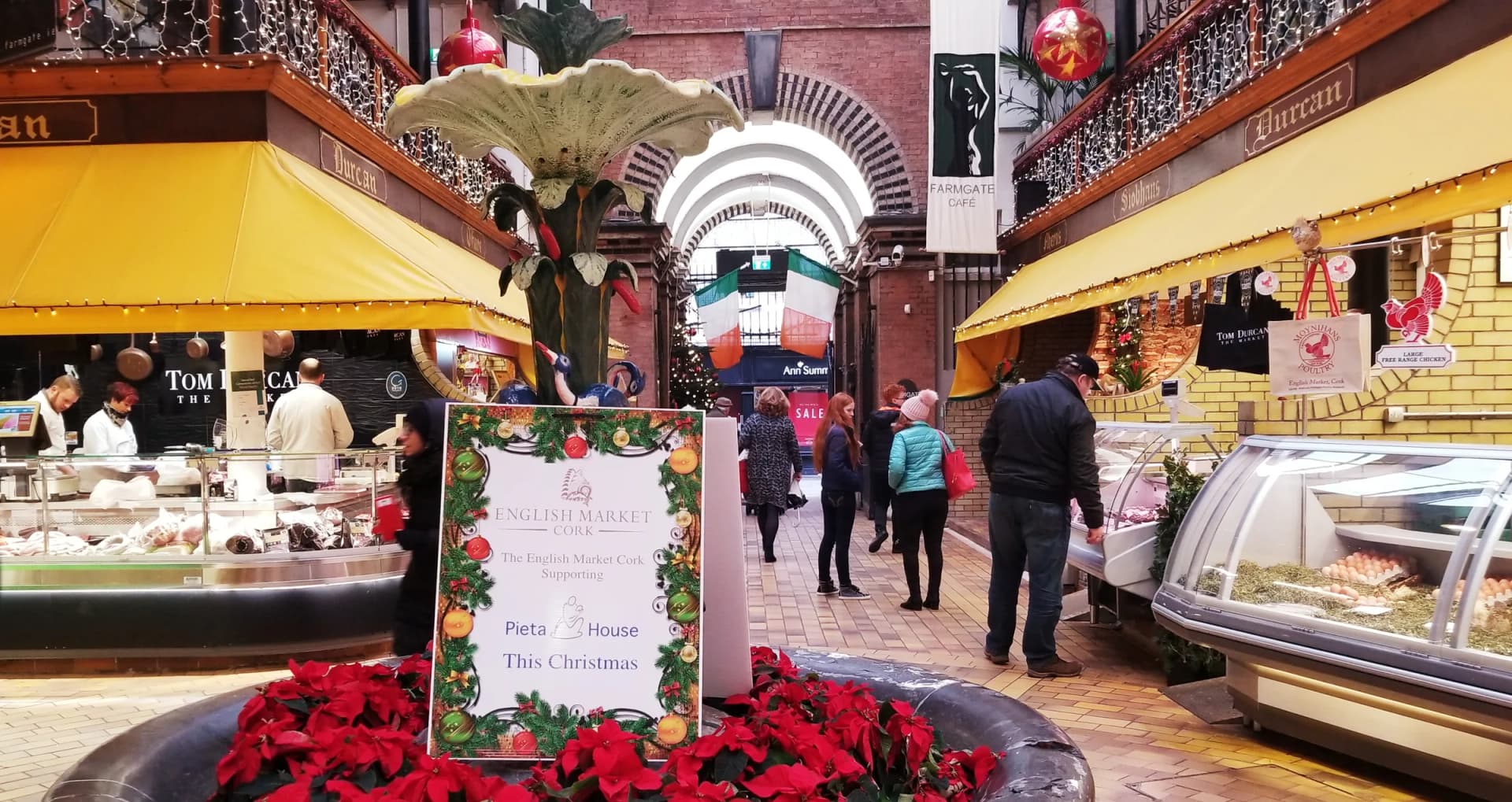
Farmgate Café
Farmgate Café
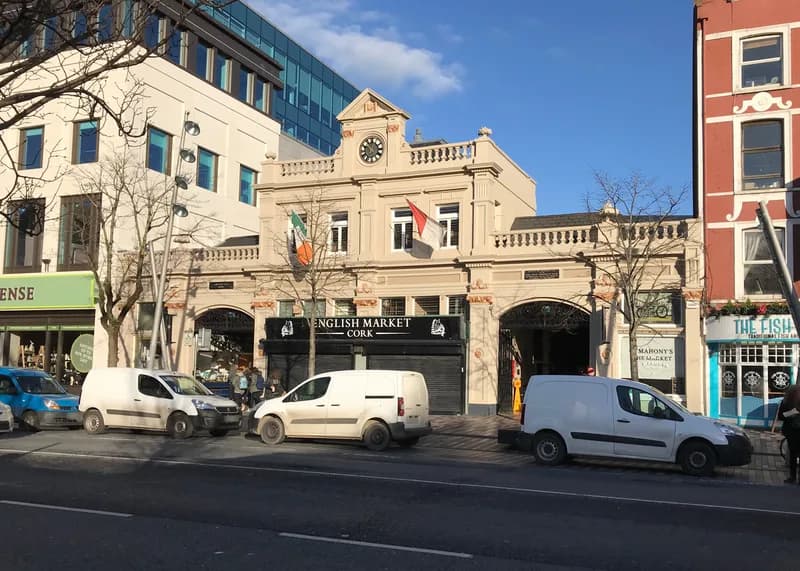
Iconic café on the balcony above the English Market.
Restaurant
Market Lane
Market Lane
Bustling, good-value modern Irish bistro on Oliver Plunkett Street.
Restaurant
Ichigo Ichie Bistro & Natural Wine
Ichigo Ichie Bistro & Natural Wine
Takashi Miyazaki's Bib Gourmand Japanese bistro on Sheares Street.
Book a Local Experience
Tours, trips and tastings you can book ahead
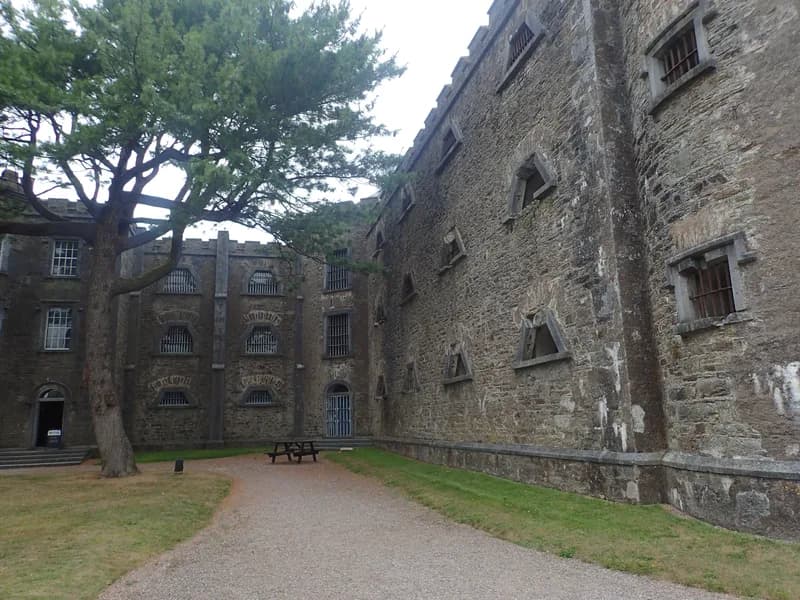
Cork City Gaol
A restored 19th-century prison museum with furnished cells and prisoner stories.
Cork Harbour Scenic Cruise
A two-hour guided cruise on the Lee and Lough Mahon with Cork Harbour Cruises.
Cork City Ramble Walking Tour
A 75-minute walk through Cork's history as a trading city, from Patrick Street to the Huguenot cemetery and Grand Parade.
Hysterical Histories Dinner Theatre
A comedy dinner theatre night through Cork's history, with two courses, live music and actors, on Paul Street.
This page contains affiliate links. We may earn a commission at no extra cost to you.
What's On
Upcoming events and things happening in Cork
Guinness Cork Jazz Festival
RecurringIreland's biggest jazz festival, taking over Cork on the October bank holiday.
Cork International Film Festival
RecurringIreland's oldest film festival, an 11-day November celebration of cinema.
A Cork Christmas Celebration
RecurringCork's city-centre Christmas programme of lights and seasonal events.
Cork St Patrick's Festival
Returns annuallyCork's St Patrick's celebration, with the city-centre parade on 17 March.
Cork Right Now
Cork has a mild, wet maritime climate. It rarely gets very cold or very hot, but rain is frequent in every season, so pack a light rain jacket and layers whatever the month. The flat city centre is more sheltered than the open river quays.
🚆 InterCity from Cork Kent
Iarnród Éireann InterCity departures
InterCity service from Cork Kent. Updates every minute.
The Real Capital, on Leeside
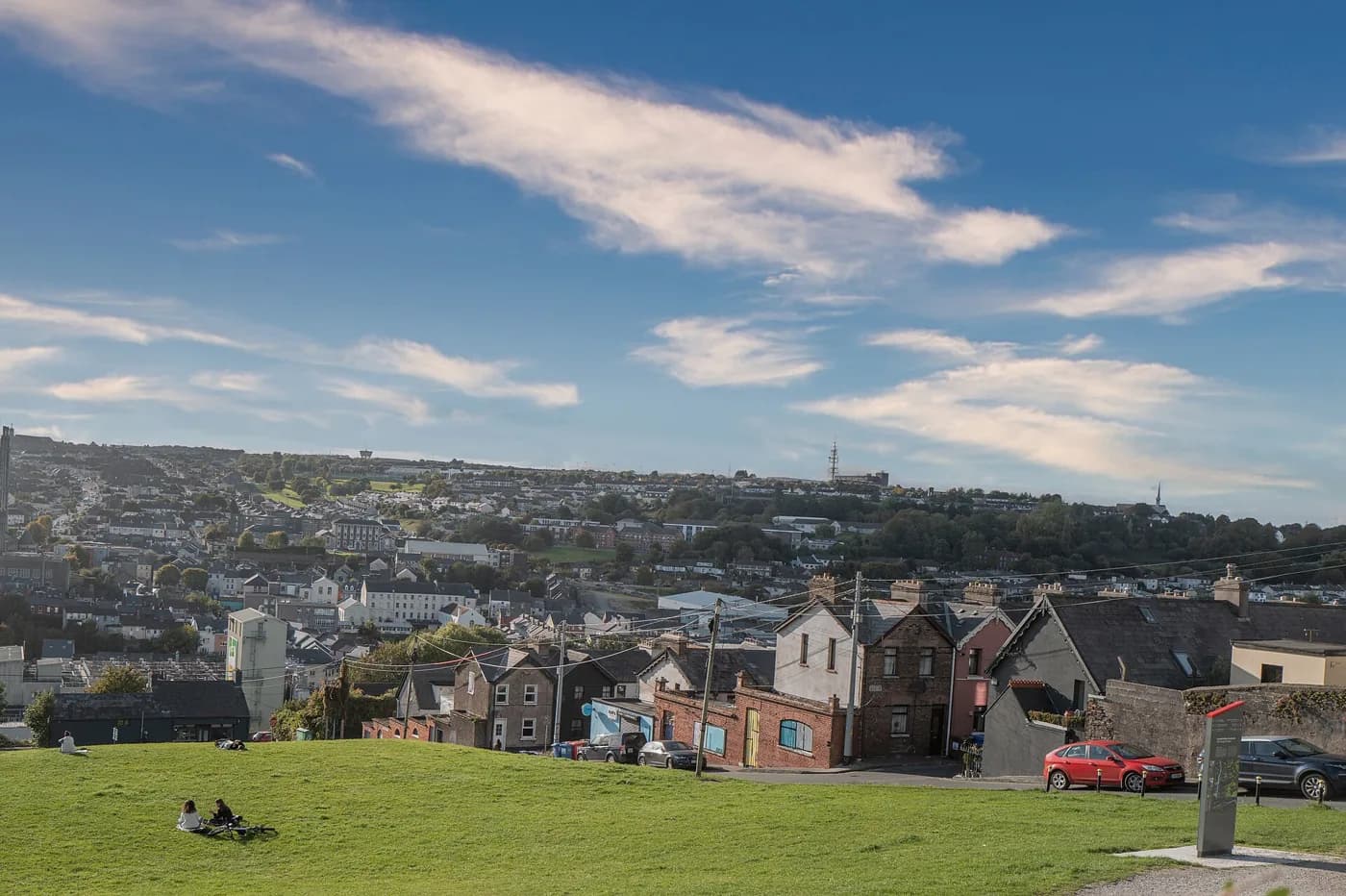
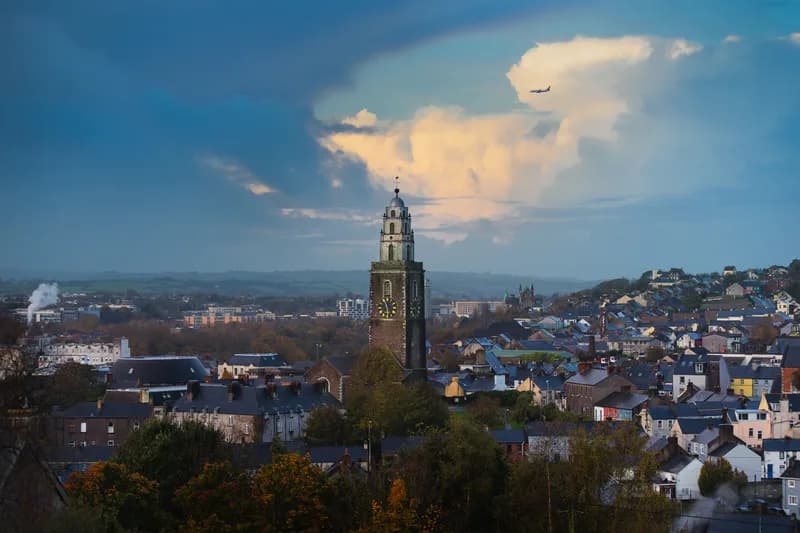
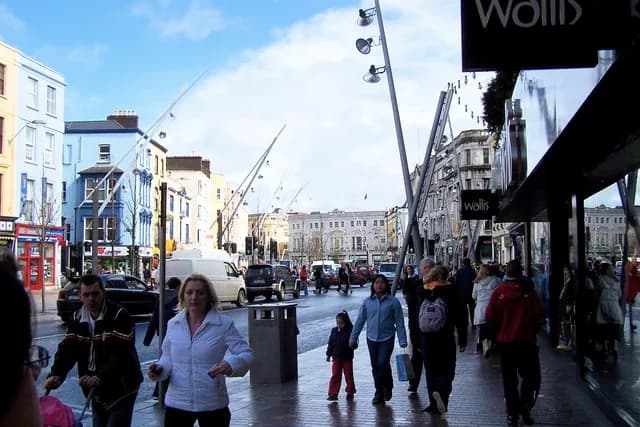
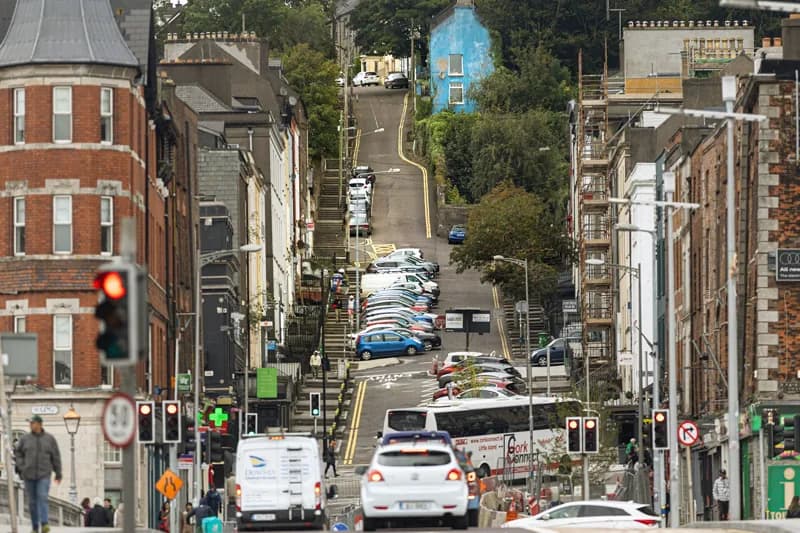
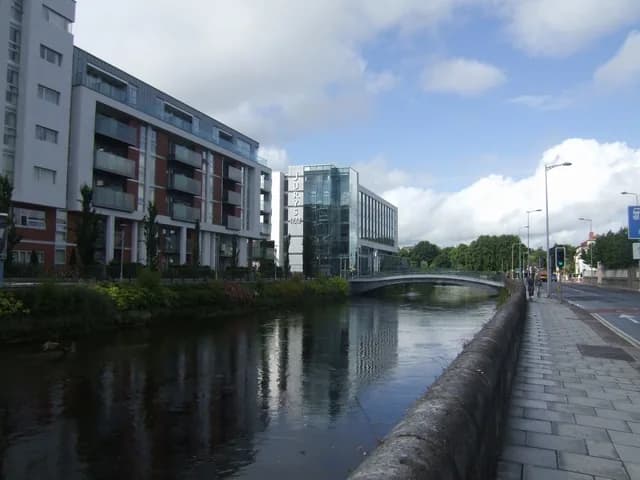
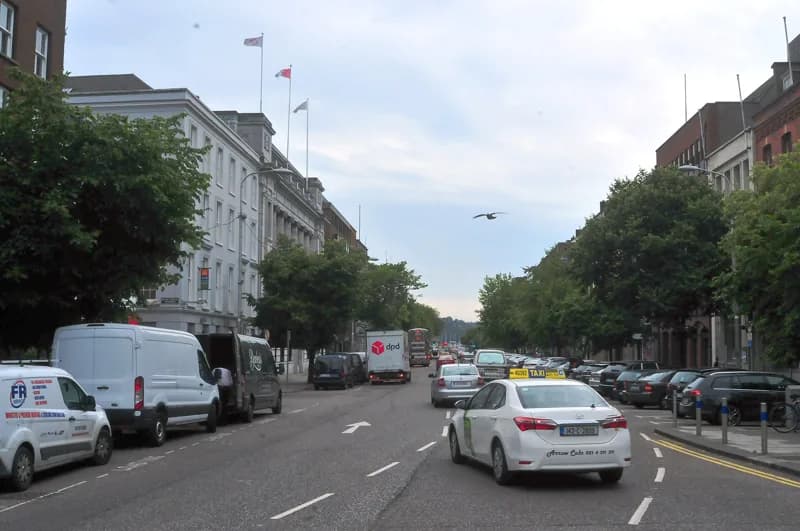
Cork grew up around a monastery founded by St Finbarr in the 7th century, on marshy ground where the River Lee splits into channels before reaching the sea. The flat city centre is built on that drained marsh, which is why streets like Patrick Street follow the line of old waterways, and why the old residential quarters climb the steep hills on either side at Shandon, Montenotte and St Luke's.
The city made its money on butter and salt beef. The Cork Butter Exchange in Shandon was once the largest butter market in the world, and that export trade is the reason the local food culture runs to drisheen, tripe, spiced beef and buttered eggs, all of it still sold in the English Market. Cork people call themselves Corkonians and Leesiders, back the Rebels in red and white, and run the People's Republic of Cork as a long-running joke about their own pride.