Discover Cardiff
The Welsh capital where a 2,000-year-old castle sits in the middle of the shopping streets, and the national stadium sits in the middle of everything
What's On
Upcoming events and things happening in Cardiff
Cardiff Half Marathon
Recurring25,000-plus runners lap the capital's landmarks on a flat, fast course. Next run Sunday 3 October 2027.
Sŵn Festival
RecurringThree nights of new music across the Womanby Street venues. Confirmed for 15-17 October 2026.
Cardiff Christmas Market
RecurringCraft stalls, mulled wine and Welsh makers down the Hayes from mid November to 23 December.
Six Nations Rugby in Cardiff
RecurringWales' home Six Nations days shut the city centre and fill 73,931 seats. In 2027: Ireland on 20 February and England on 6 March at the Principality Stadium.
Cardiff Right Now
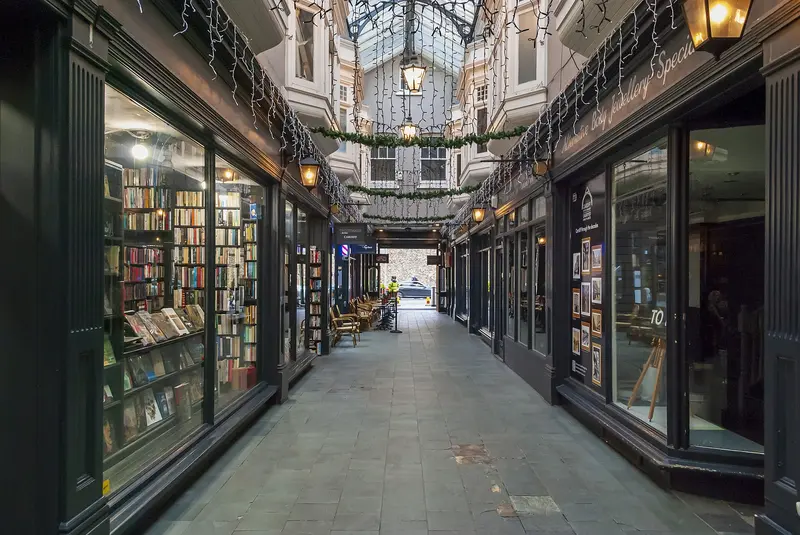
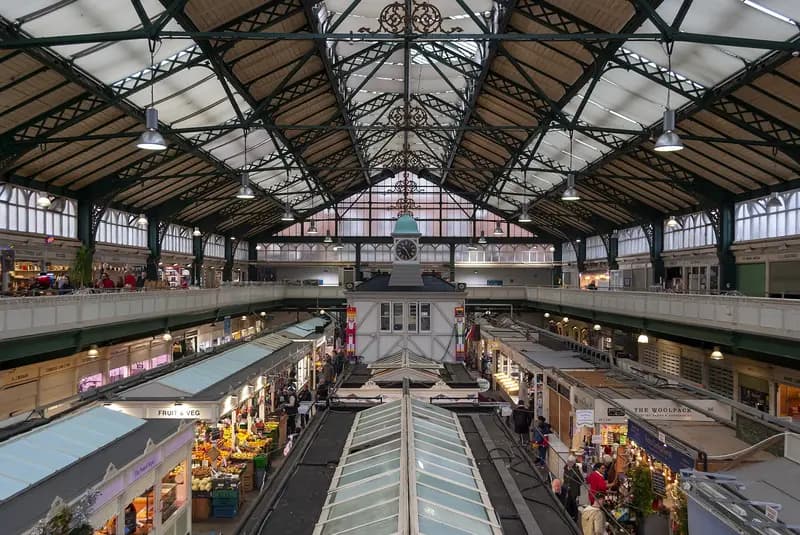
Cardiff weather changes its mind quickly, so carry a light waterproof whatever the forecast says. The good news is that this is a city built for rain: the Victorian arcades and the market are glass-roofed, the National Museum and St Fagans are free, and the castle's Burges interiors are better appreciated dry.
🚆 National Rail from Cardiff Central & Queen Street
Live departures, both stations
National Rail service from Cardiff Central & Queen Street. Updates every half hour.
From coal port to capital, without losing the market or the arcades
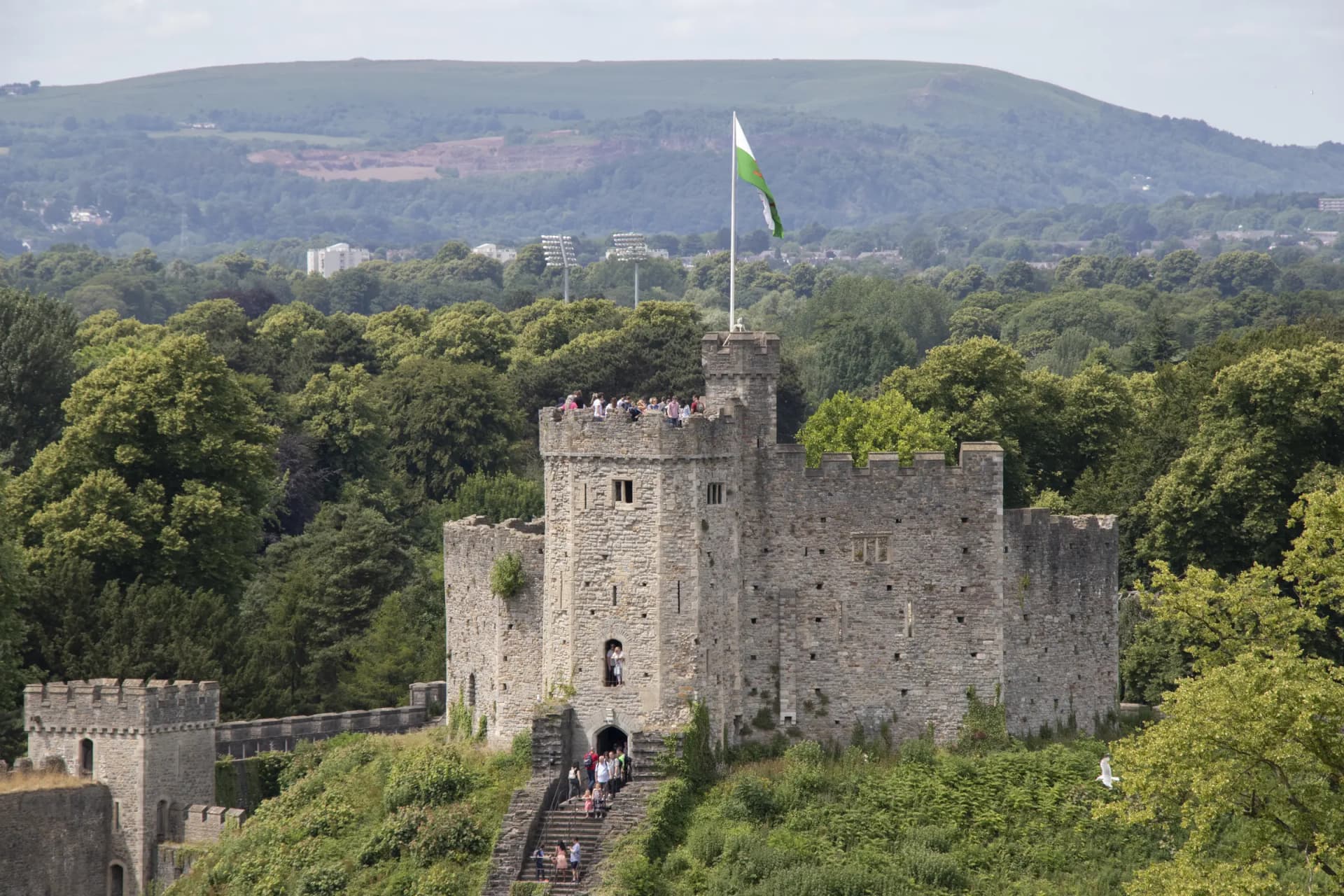
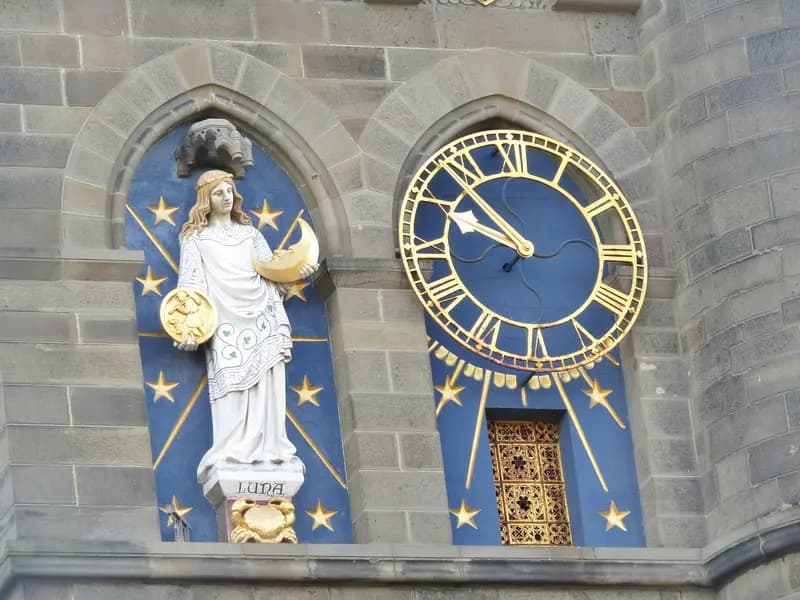
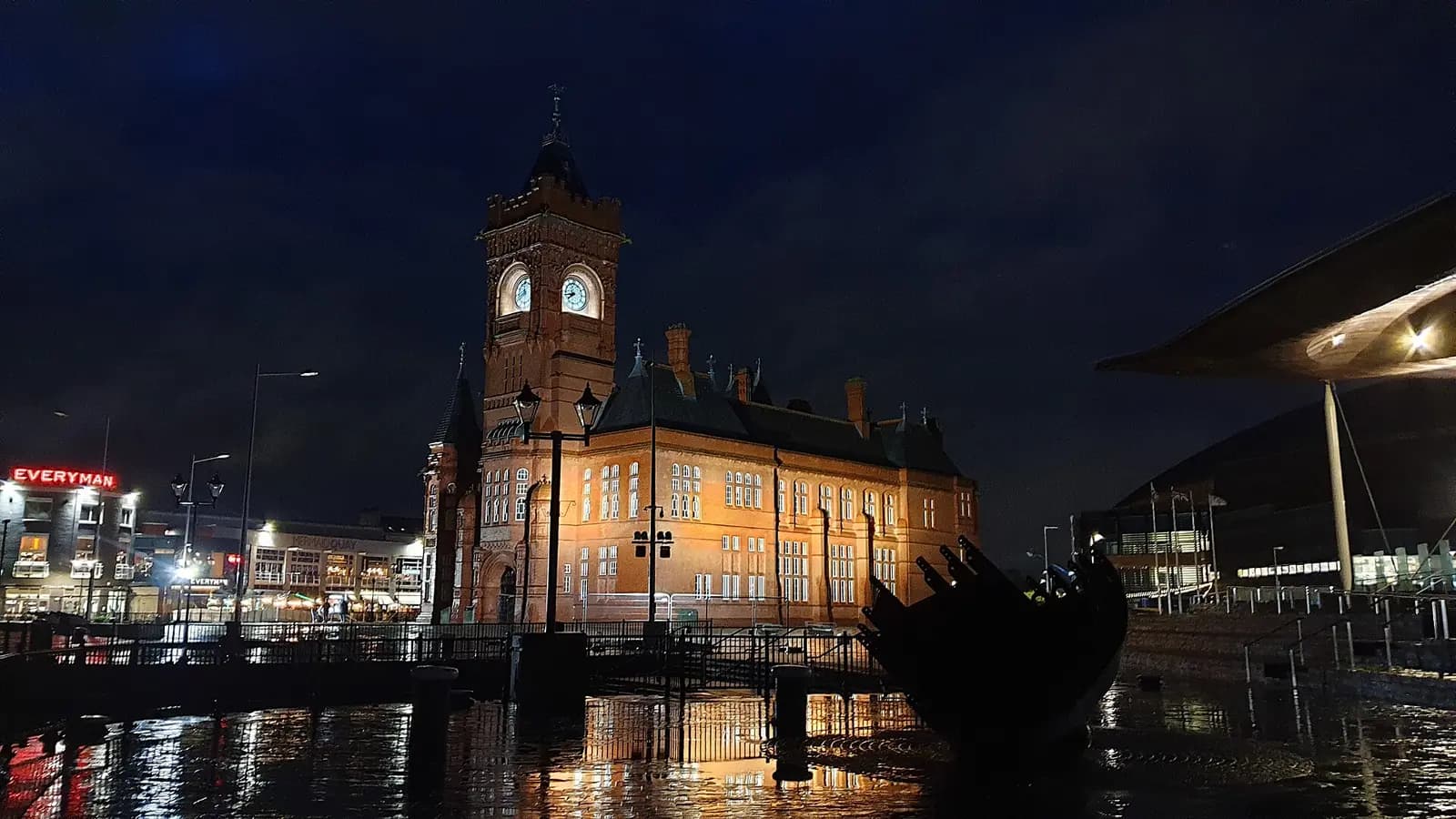
Cardiff got big absurdly fast. A small walled town of under 2,000 people in 1801, it was for a while the busiest coal port on earth, and the Coal Exchange in Butetown is where the world's first recorded million-pound deal was struck in 1904. The third Marquess of Bute, whose family controlled the docks, spent some of that fortune letting the architect William Burges rebuild Cardiff Castle's interiors into a Victorian Gothic fantasy of gilded ceilings and painted fairy tales, then the family handed castle and parkland to the city in 1947. That is why the city centre works the way it does: castle, Bute Park, market and arcades all inside a ten-minute walk, with the civic centre's white Portland stone laid out grandly at Cathays Park.
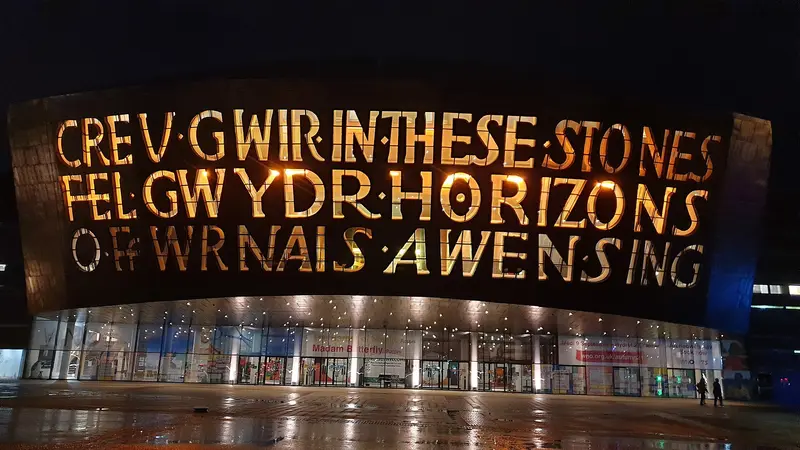
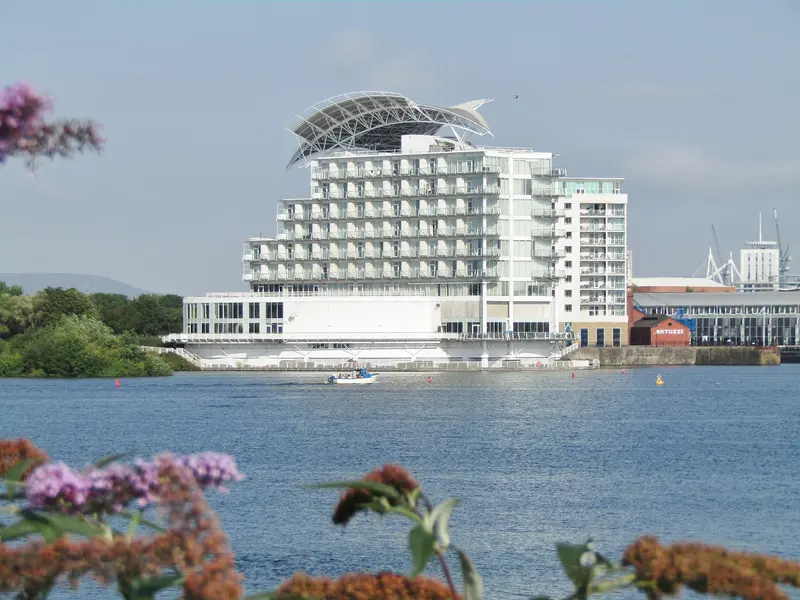
Wales made Cardiff its capital in 1955, and devolution finished the job: the Senedd, Wales' parliament, sits on the regenerated waterfront at Cardiff Bay, next to the Wales Millennium Centre's copper-and-slate front with its giant bilingual inscription. The bay itself is a freshwater lake held back by a barrage completed in 1999, which turned the old tidal mudflats of Tiger Bay into eight miles of walkable waterfront. The city in between is compact, green and bilingual, with Welsh on every sign, and it runs on a rhythm set less by tourism than by rugby fixtures, students and the daily business of a small capital.
Where To Eat
From fine dining to casual favourites
Heaneys
Tommy Heaney's seasonal, produce-led Pontcanna flagship, from quick lunches to tasting menus, with the Uisce wine bar next door.
Matsudai Ramen at The Bank
Cult ramen in a converted Grangetown bank: serious bowls, a small room, and a booking system you should use.
Curado Bar
Pintxos, sliced-to-order jamon and Spanish beer and sherry by the stadium, from the Ultracomida team. No hype, great produce.