Discover Liverpool
The Mersey waterfront, the Beatles, two cathedrals and two football clubs: a proud maritime city that built the modern world's music and never stopped arguing about it
What's On
Upcoming events and things happening in Liverpool
Liverpool Christmas Market
RecurringLiverpool's city-centre Christmas market at St George's Hall. 2026 dates not yet published; typically runs late November into December.
The Randox Grand National Festival
RecurringThe world's most famous steeplechase at Aintree Racecourse, a few miles north of the centre. 8-10 April 2027, the biggest hotel-demand week of the year.
Africa Oyé
Returns annuallyThe UK's largest African music and culture festival, in Sefton Park, ticketed, with 90-plus stalls and a family zone. The 2026 festival ran 20-21 June; 2027 dates had not been announced as of September 2026.
International Beatleweek
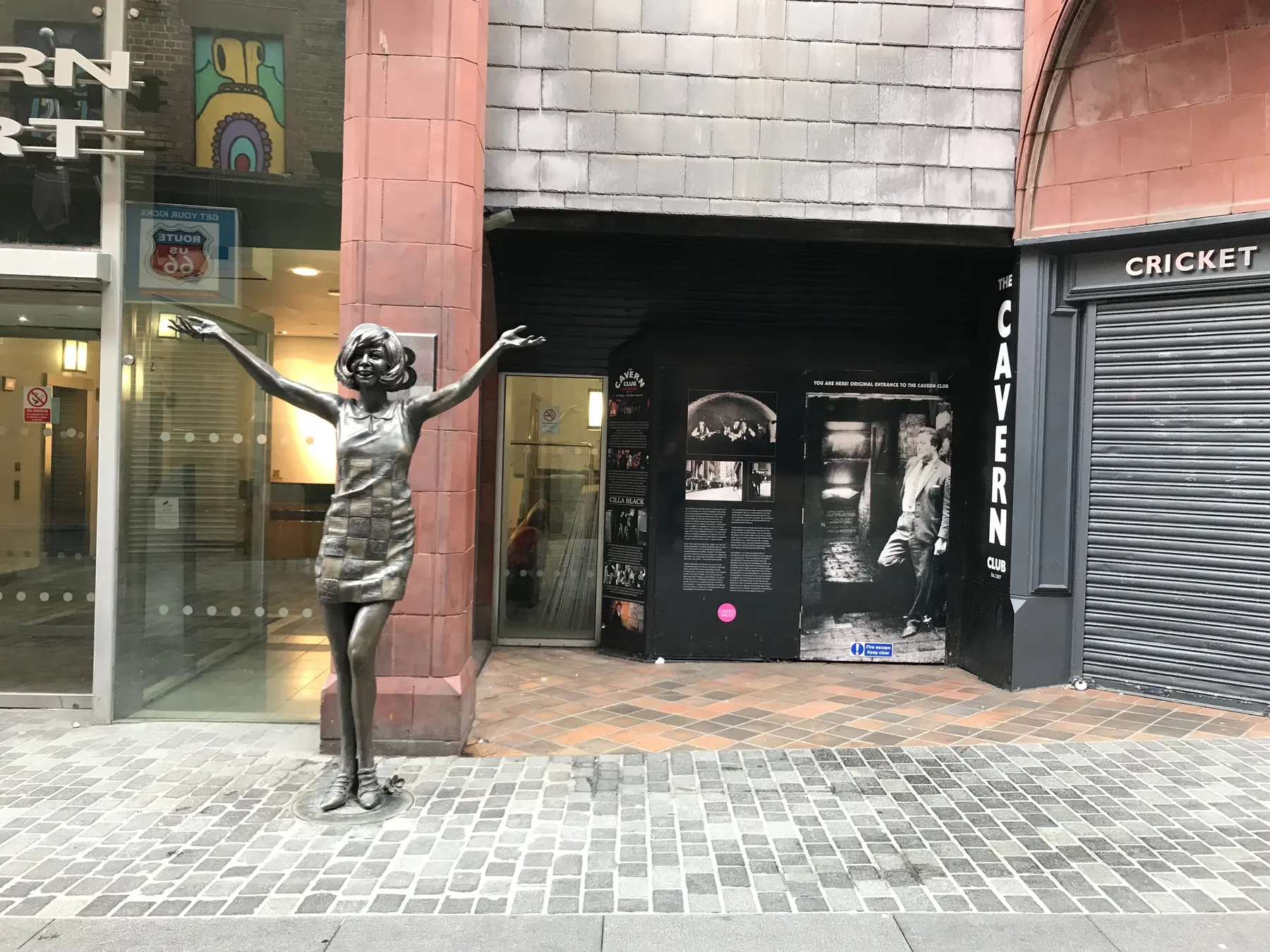
Returns annuallyWeek-long Beatles and Merseybeat festival across the Cavern's three stages and city venues. The 2026 festival ran 26 Aug to 1 Sept; tiered ticket packages.
Liverpool Right Now
Liverpool's weather turns quickly off the Mersey: pack a proper waterproof rather than relying on a forecast, and expect the Pier Head and Albert Dock to feel several degrees colder and windier than the streets around Bold Street or Hope Street. A wet day here is not a wasted one: the museums along the Albert Dock, both cathedrals and the Cavern Club are all indoor options within walking distance of each other.
🚆 National Rail from Liverpool Lime Street
Live departures
National Rail service from Liverpool Lime Street. Updates every few minutes.
Where To Eat
From fine dining to casual favourites
Röski
Anton Piotrowski's eclectic British tasting menu on Rodney Street in the Georgian Quarter. Intimate room, tight hours, book well ahead.
The Art School Restaurant
Paul Askew's seasonal fine-dining restaurant on Sugnall Street, near the Anglican Cathedral. Cellars Bar downstairs for drinks.
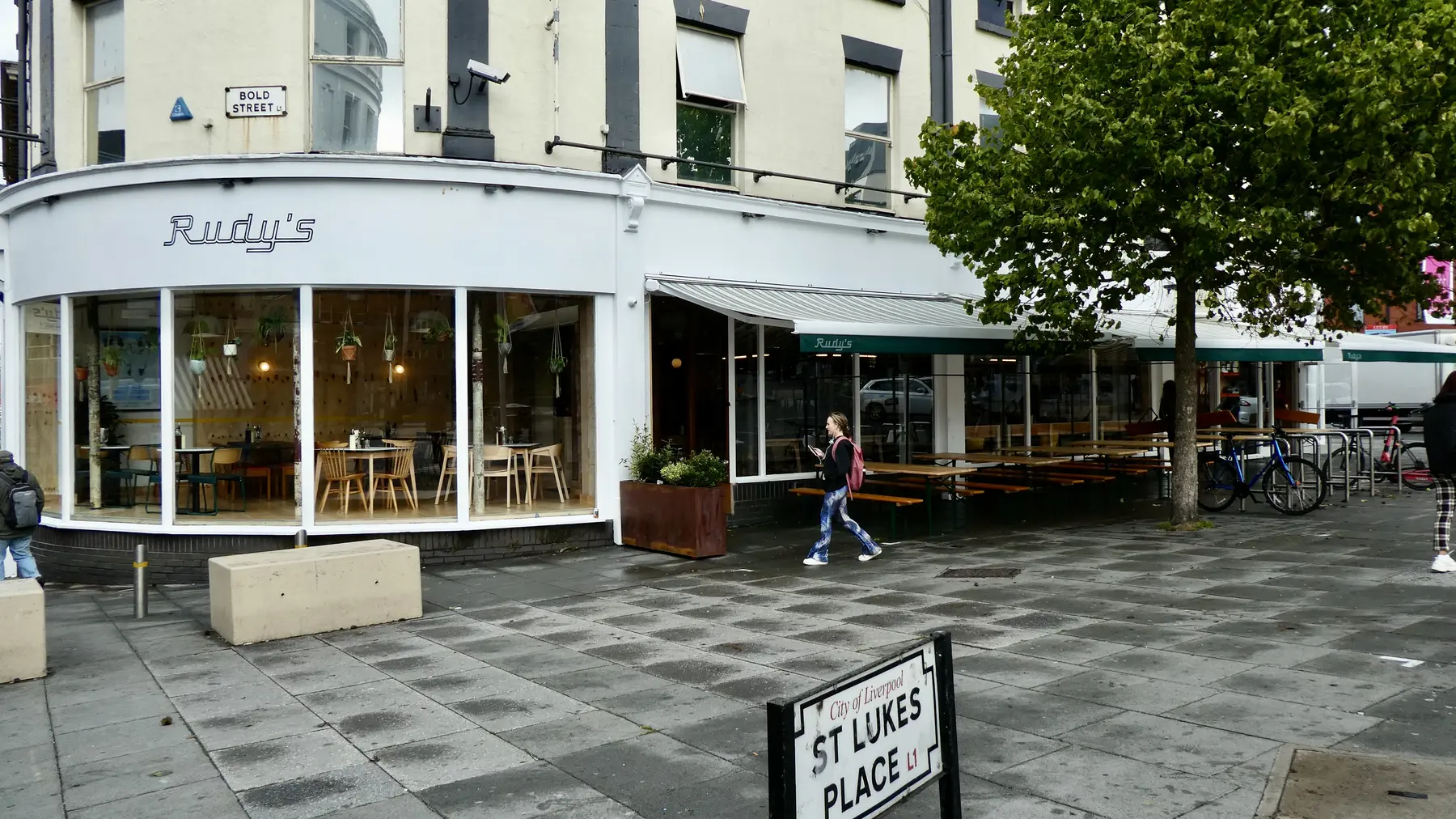
Maray, Bold Street
Middle Eastern small plates on Bold Street, the original branch of Liverpool's own Maray group. Relaxed room, easy sharing-plates menu.
A port city that built the modern world and kept its own voice
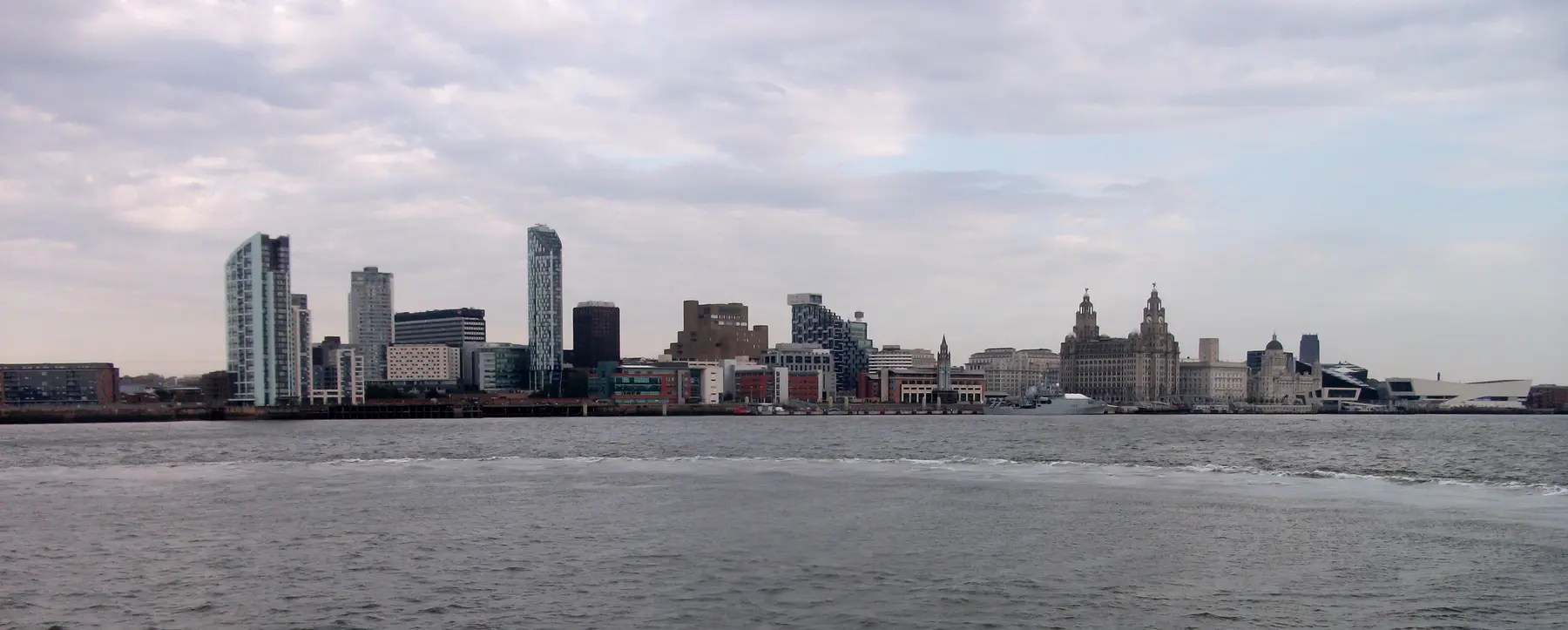
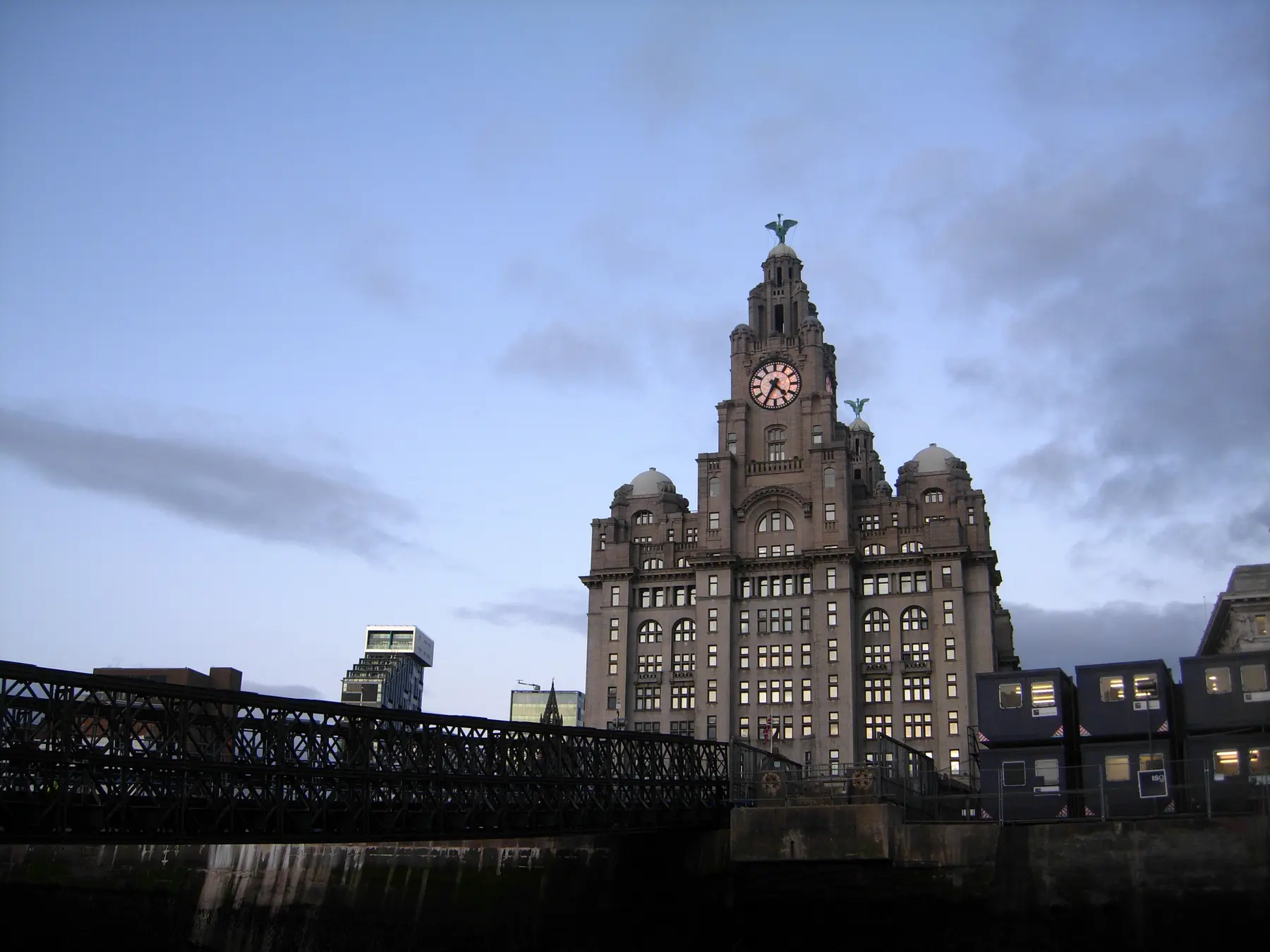
Liverpool grew from a small tidal creek into the British Empire's second port inside two centuries, its wealth built on transatlantic trade, including a documented and heavily central role in the transatlantic slave trade that the city now confronts directly at the International Slavery Museum on the Albert Dock. By the early 1900s the waterfront held the Royal Liver Building, the Cunard Building and the Port of Liverpool Building, the Pier Head trio known ever since as the Three Graces, built by insurance, shipping and dock money to announce the city to everyone arriving by water. Nine million people emigrated through Liverpool's docks to North America and Australia between the 1830s and 1930s, more than left through any other British port, which is why the city's accent and character carry so much of the Irish, Welsh and wider Atlantic world alongside its own.
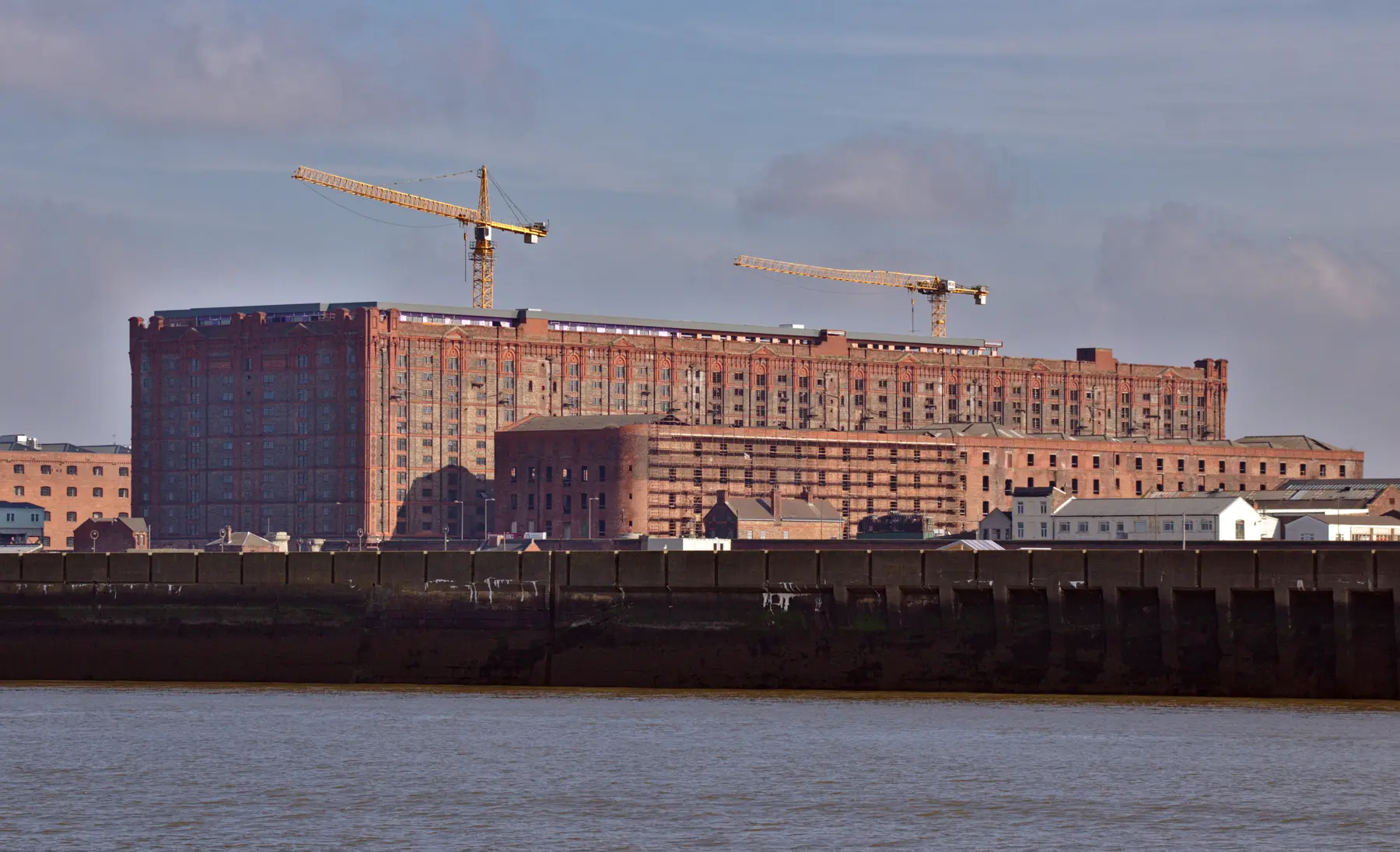
The Pier Head, the Royal Albert Dock and the wider dock system were inscribed as a UNESCO World Heritage Site in 2004, recognised as the supreme example of a commercial port at the height of Britain's global reach. UNESCO withdrew that status in 2021, citing new waterfront development including the Liverpool Waters scheme and Everton's stadium at Bramley-Moore Dock, and Liverpool became only the third site ever removed from the World Heritage list. The docks did not change: Albert Dock's Jesse Hartley warehouses, the first non-combustible cast-iron-and-brick dock structures in Britain, still ring a working basin now filled with museums, restaurants and apartments rather than ships. What changed is a plaque and a line in a UNESCO register, which most people who live here will tell you mattered rather less than the football, the two cathedrals a Hope Street walk apart, and a music scene that has never really stopped since four Liverpool boys made the Cavern Club a place people had heard of.