Discover Drogheda
Ireland's largest town, on the last bridging point of the Boyne
What's On
Upcoming events and things happening in Drogheda
The Drogheda Credit Union Spooks Parade
RecurringDrogheda's Halloween street parade, made with local schools and youth groups, launching the Lu Festival of Light.
Drogheda Arts Festival
RecurringDrogheda's multidisciplinary arts festival, with music, performance and site-specific work across the town. Currently unconfirmed.
Boyne Midsummer Festival
RecurringTwo weekends of live music, family events and street programming around the summer solstice, centred on Scotch Hall and the town centre.
The Boyne Swim
RecurringA 2.7km open-water swim down the Boyne through the middle of Drogheda, run by Drogheda Triathlon Club.
Drogheda Right Now
Drogheda is on the east coast, which means less rain than the west of Ireland but plenty of wind coming up the Boyne off the Irish Sea. Bring a layer for the quays and the walk up to Millmount even on a bright day, and remember that most of the best of the town, the museum, the gallery and the shrine, is indoors if the weather turns.
🚂 Commuter from Drogheda
Northbound and southbound trains
Drogheda station. Updates every minute
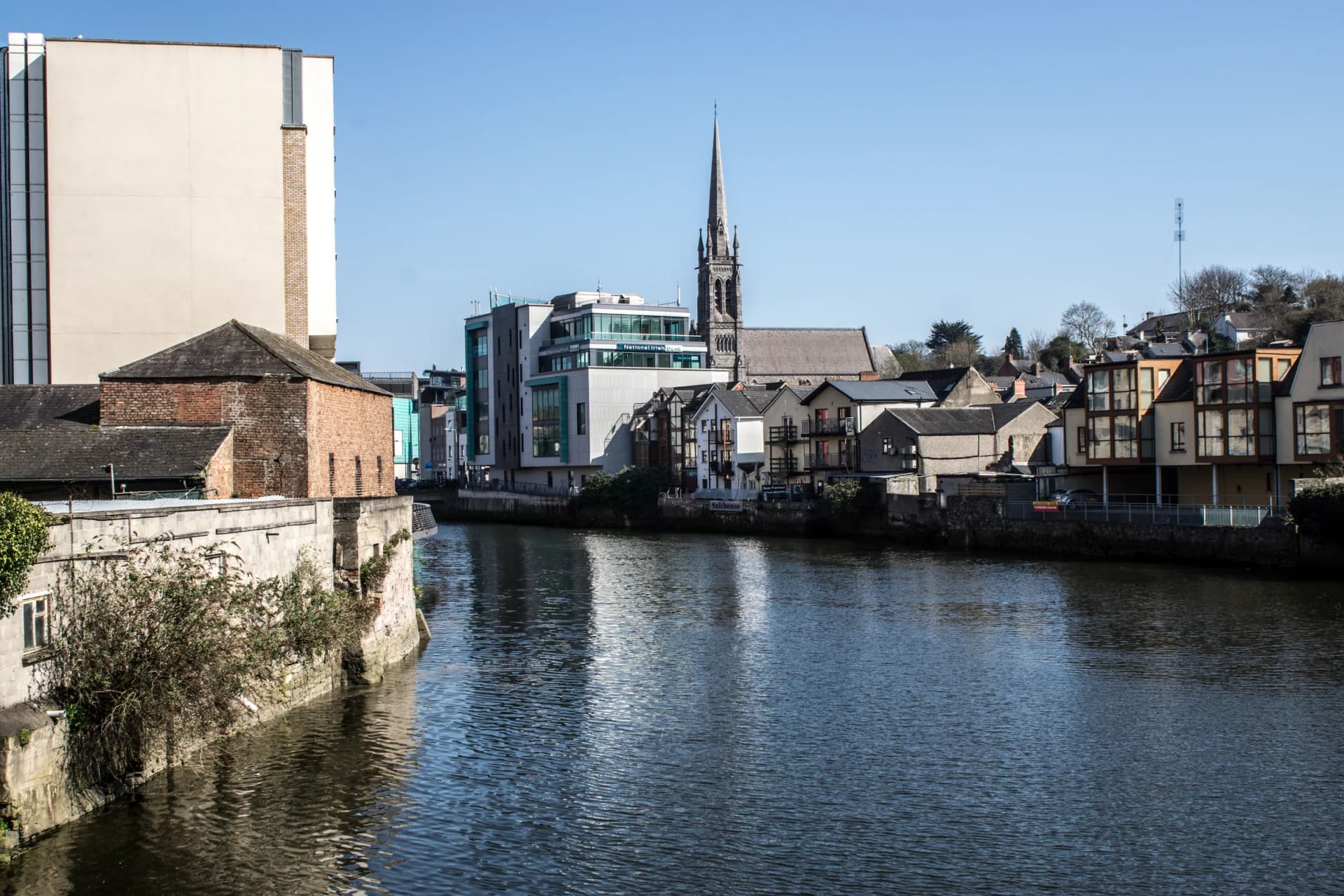
A town built on both banks of the Boyne
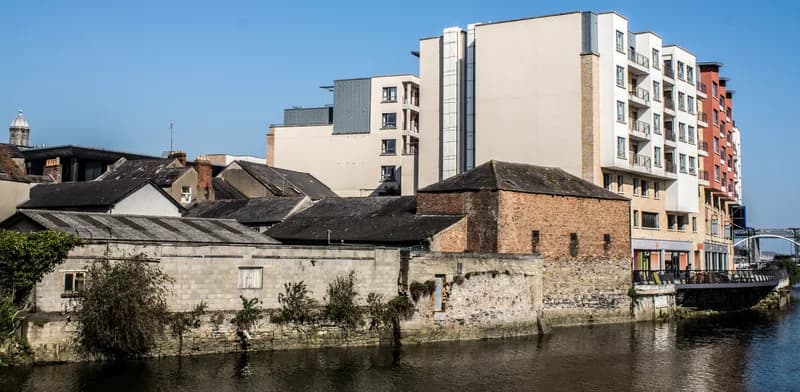
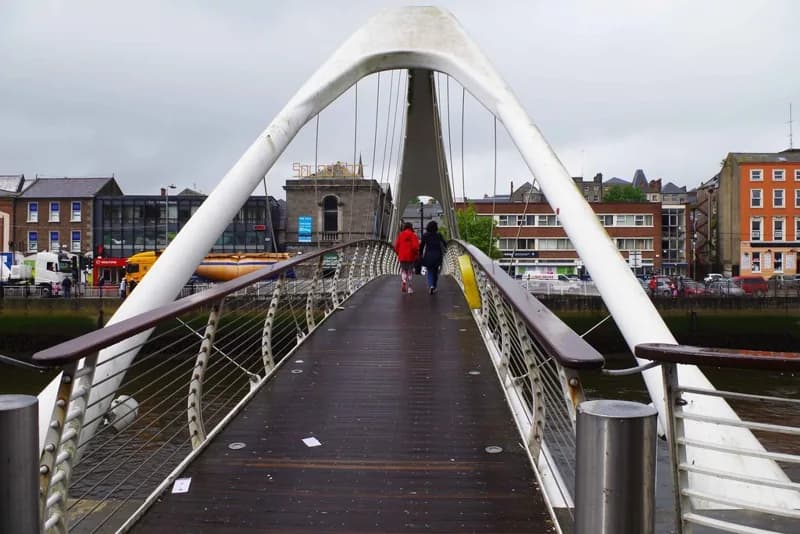
Drogheda takes its name from Droichead Atha, the bridge of the ford, and it grew up around the last crossing of the River Boyne before the river reaches the sea. It began as two towns rather than one, Drogheda in Meath on the south bank and Drogheda in Oriel on the north, each with its own charter, and they were only united in 1412. The river still marks a line: the archdiocese of Armagh runs to the north bank and the diocese of Meath to the south, and the county boundary means part of the town is counted in Co. Meath and most of it in Co. Louth. With 44,135 people at the 2022 census it is the largest town in Ireland, and it has the shops, restaurants, arts centre and hospital to match, rather than the thin high street of a heritage village.
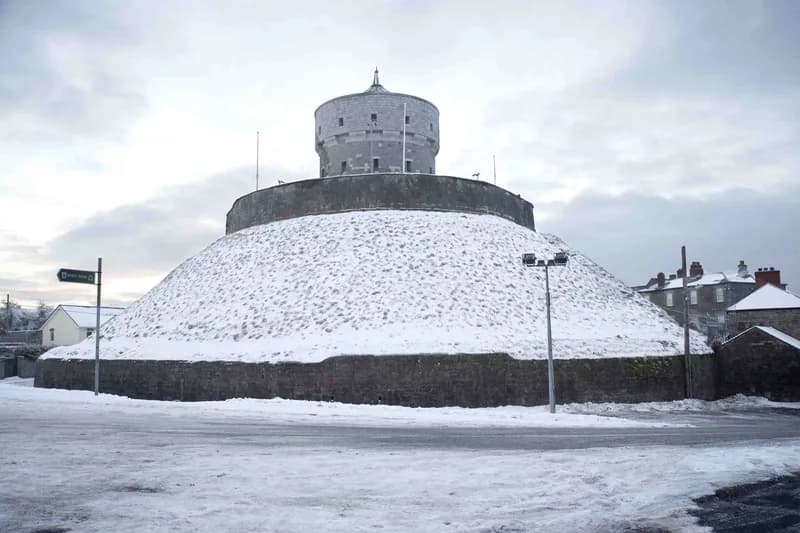
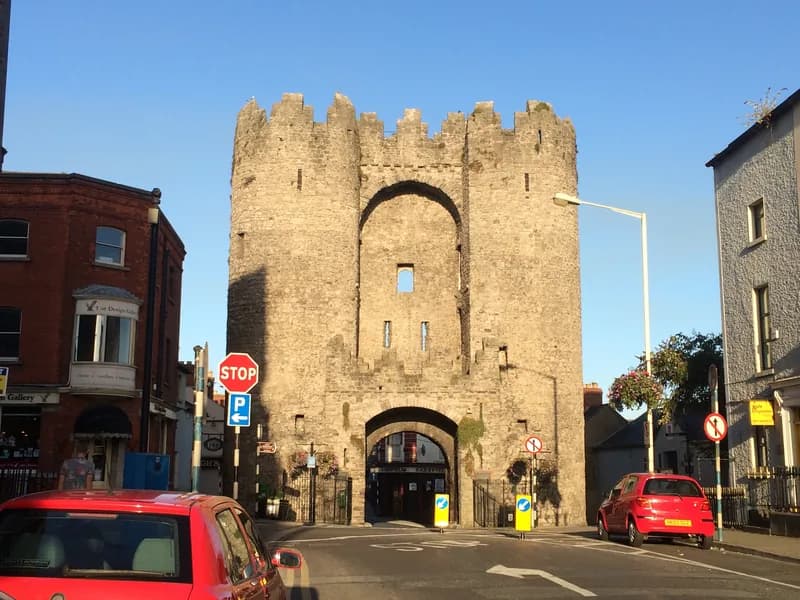
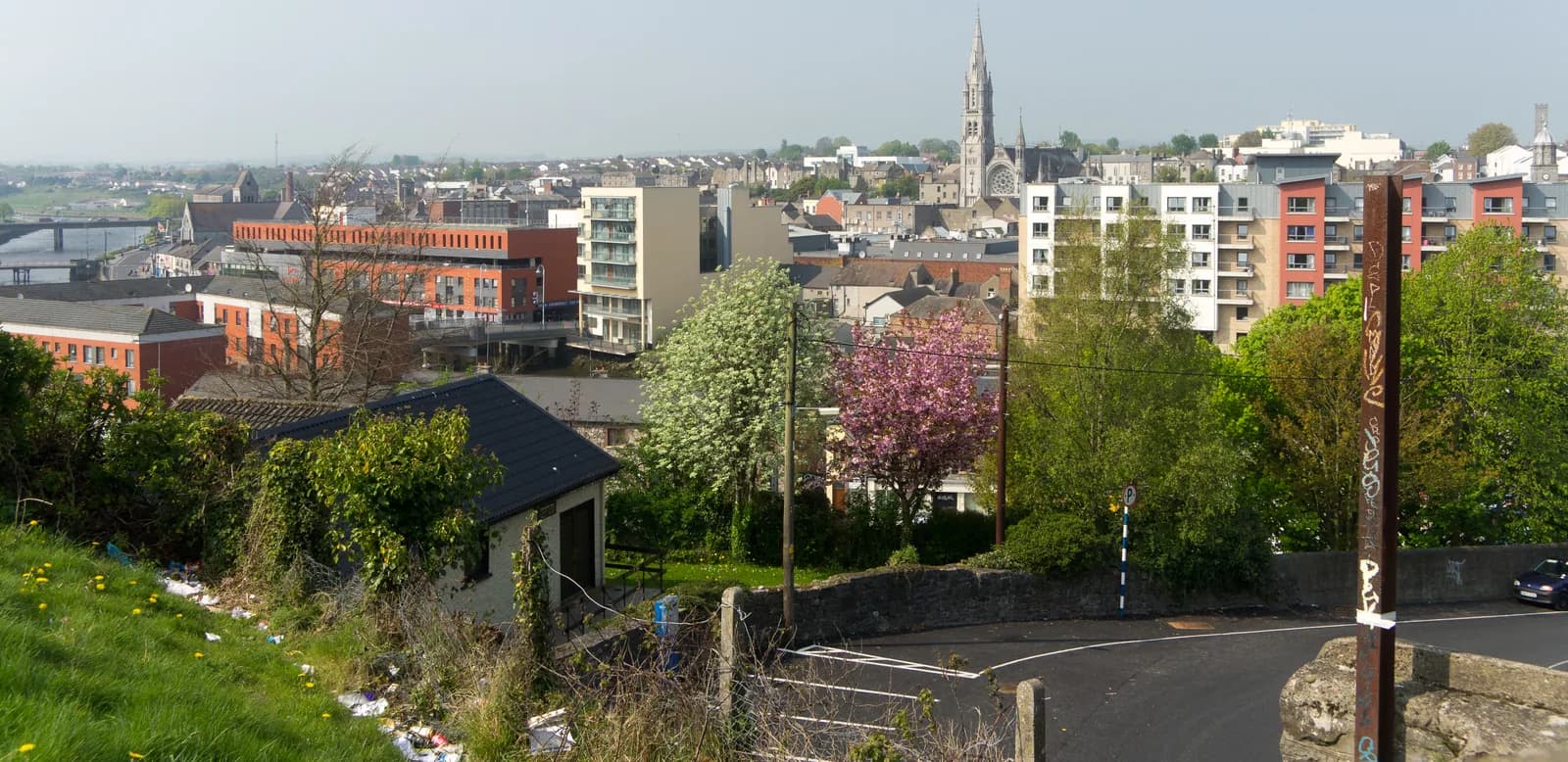
What survives from the medieval walled town is worth walking for: St Laurence's Gate, a 13th-century barbican with traffic still passing under it, Magdalene Tower on the high ground, the Butter Gate below Millmount, and the Tholsel of 1770 where West Street meets Shop Street. Above the south bank is Millmount, an Anglo-Norman mound raised before 1186 with a Martello tower on top and the Old Drogheda Society's museum around its base, and the view from up there is the one that makes the shape of the town make sense. Downriver, the Boyne Viaduct carries the Dublin to Belfast railway across the water on stone piers and iron trusses. Upriver are Newgrange, Knowth and Dowth, Mellifont and Monasterboice, which is why the town calls itself the gateway to the Boyne Valley and means it.
Where To Eat
From fine dining to casual favourites
Scholars Restaurant at Scholars Townhouse Hotel
A two-rosette dining room in a former Christian Brothers monastery off King Street, and the table Drogheda books for the big occasions.
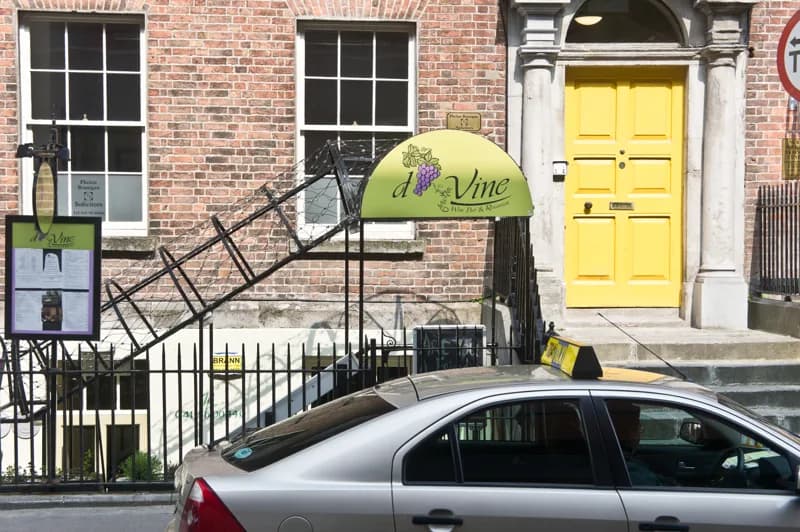
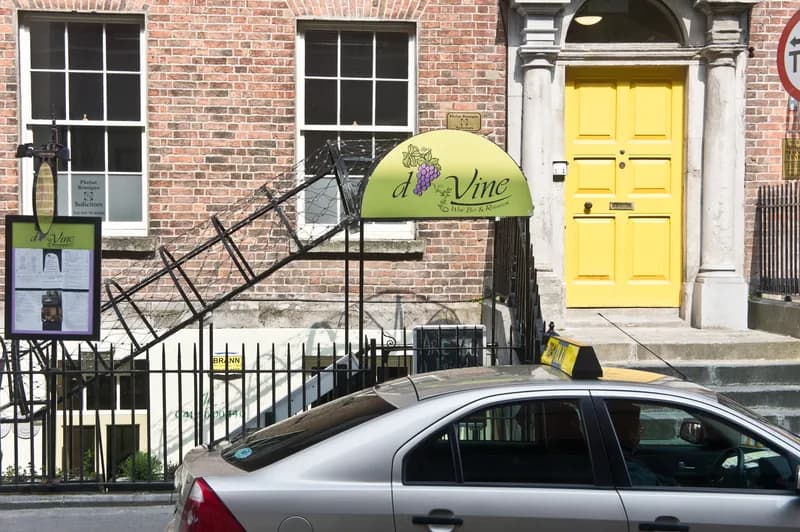
D'Vine at Distillery House
Mediterranean plates, flame-grilled steaks and a serious wine list in a Georgian townhouse on Dyer Street, open since 2006.
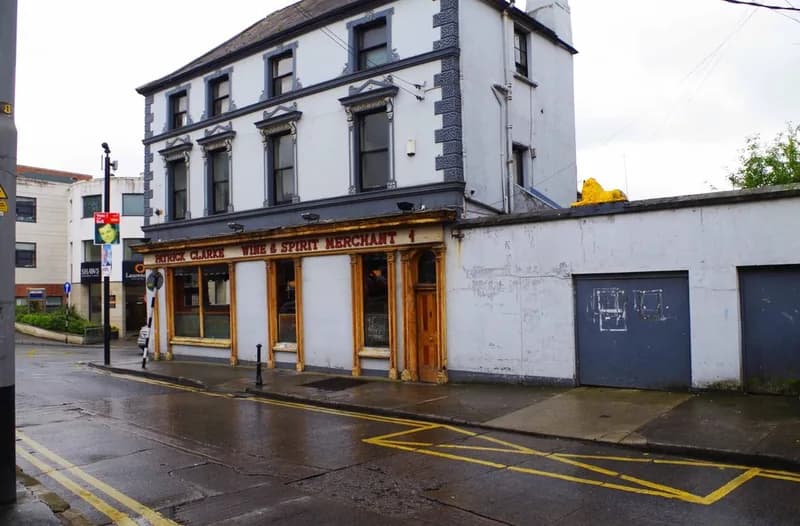
Clarke's Bar
An unreconstructed spirit-grocer pub on Peter Street with the original shopfront, no food and a reputation for the pint.