Discover Glasgow
Scotland's biggest city: Victorian mercantile grandeur, Mackintosh architecture, and the best live music scene in the country
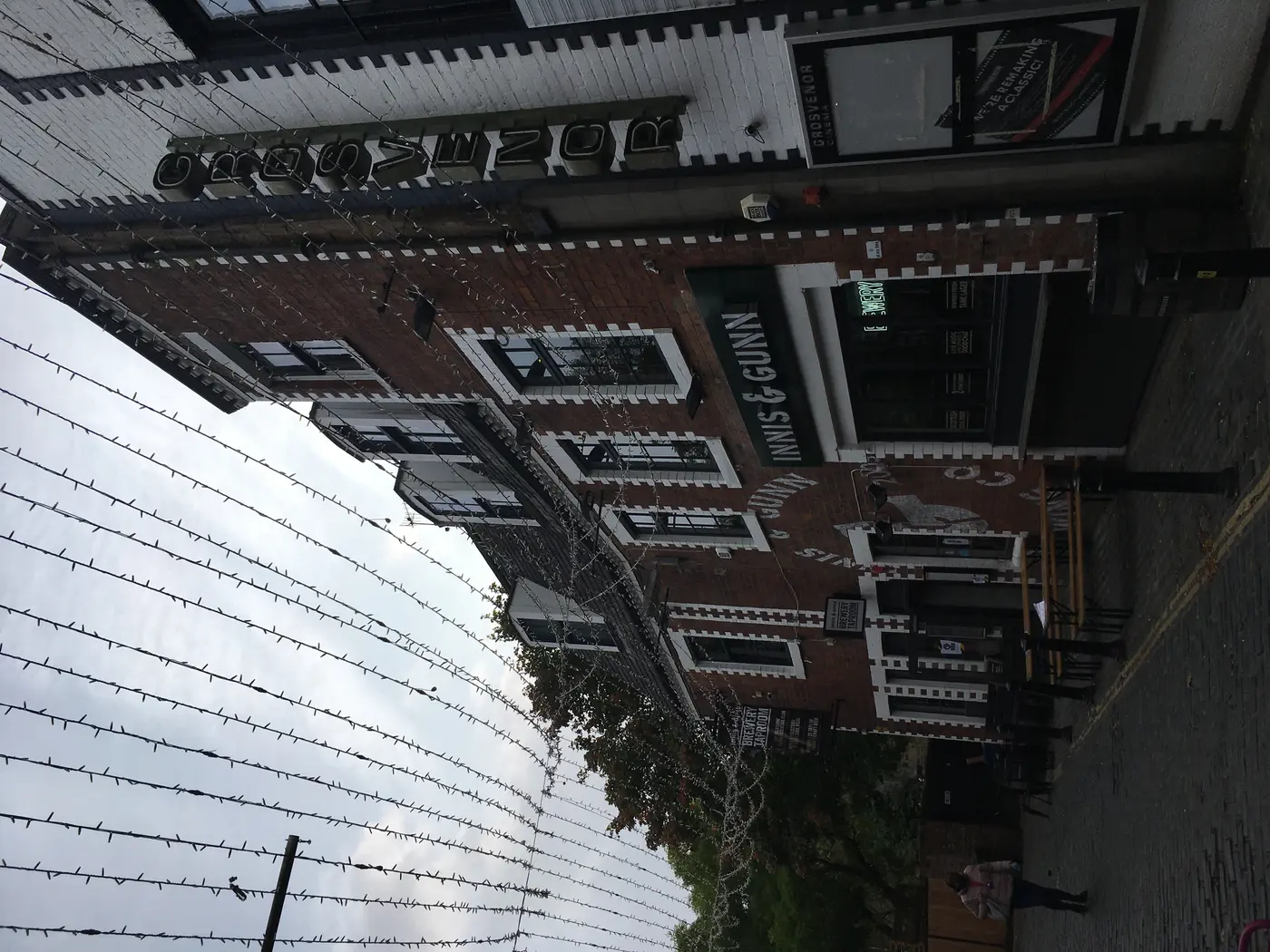
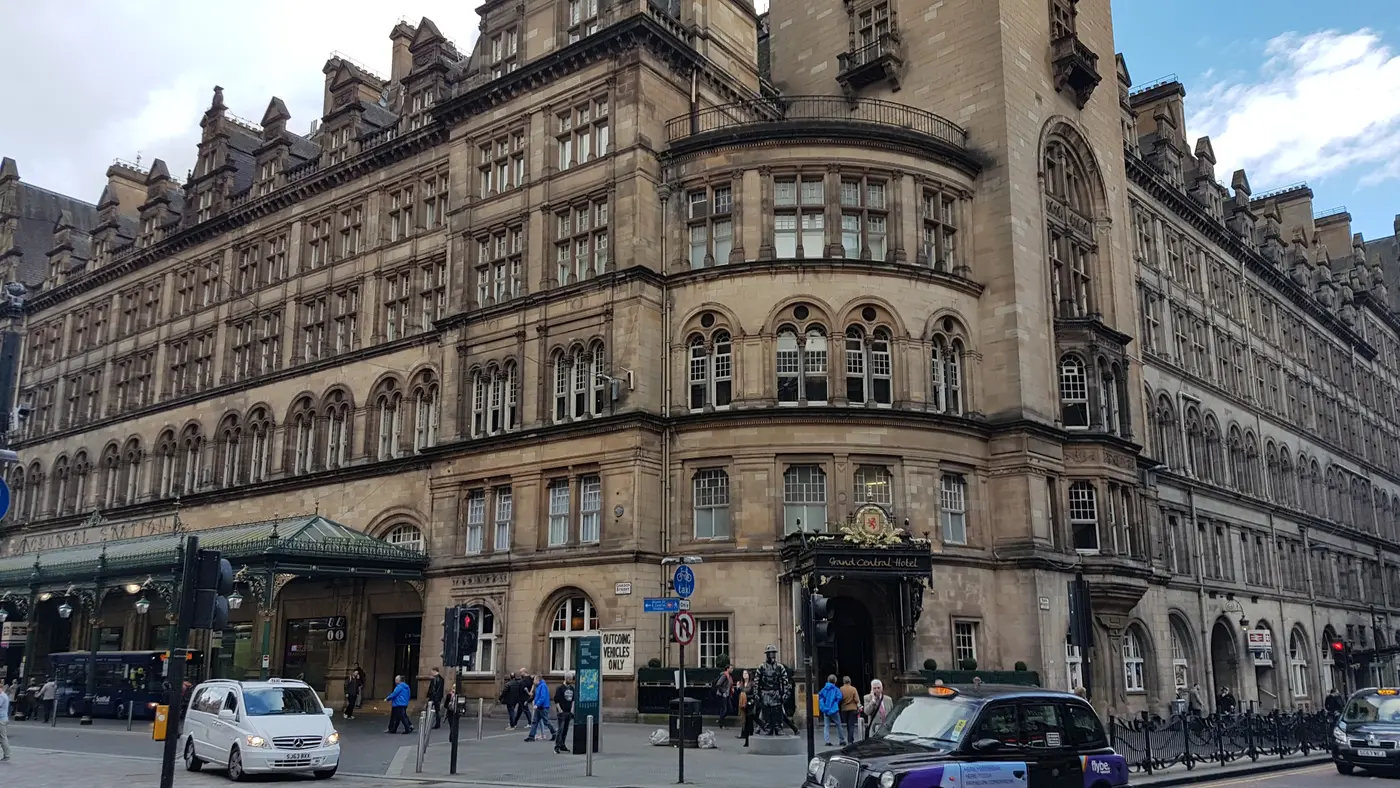
The Second City of the Empire, remade
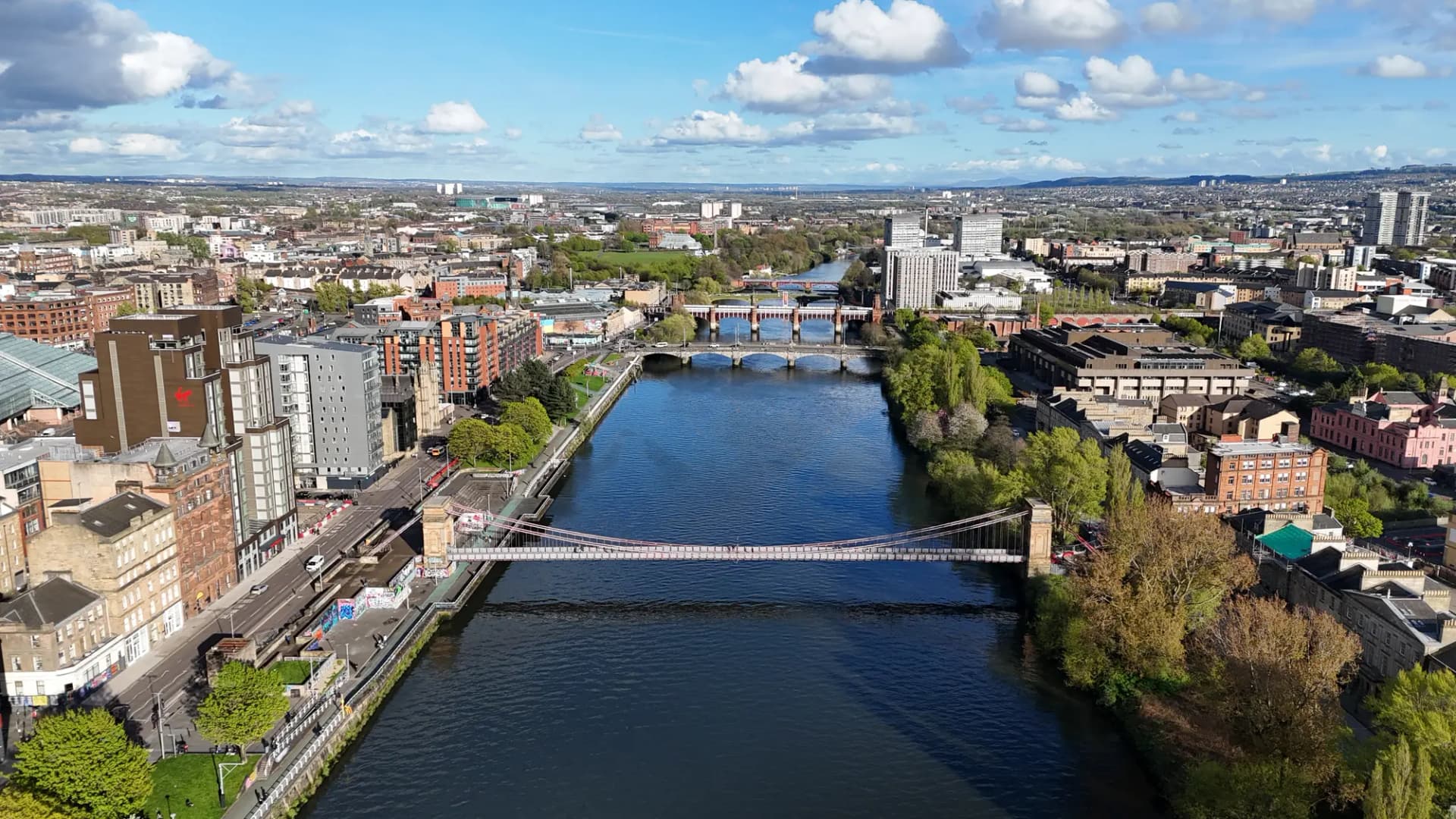
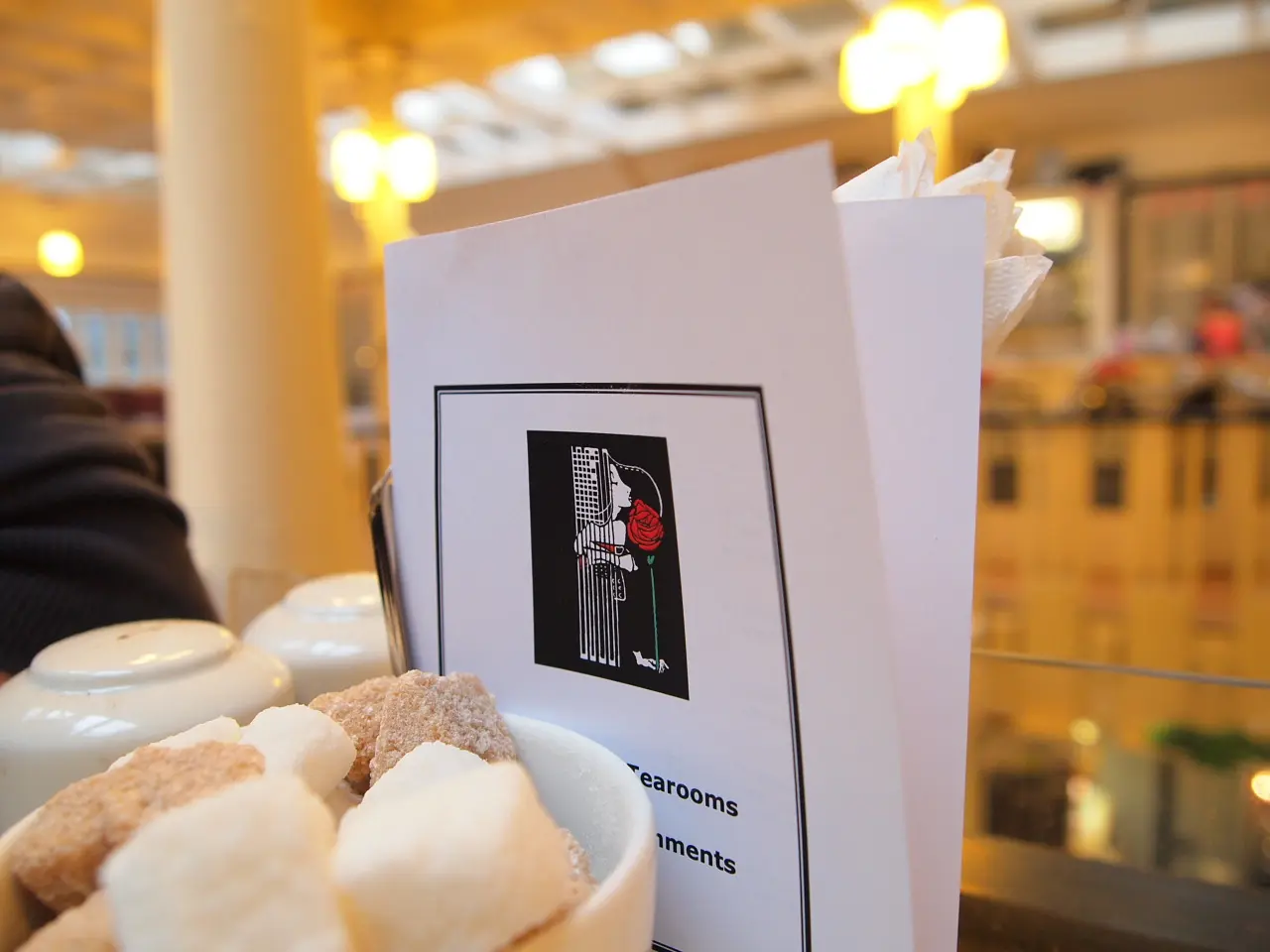
Glasgow grew rich on the River Clyde: tobacco and sugar money in the 1700s, then a nineteenth century spent building a quarter of the world's ships and a huge share of its locomotives and heavy engineering. That wealth built the city you walk through now, a dense grid of red and blond sandstone tenements, City of Glasgow Bank palazzos in the Merchant City, and the largest concentration of Victorian and Edwardian architecture in Britain. Charles Rennie Mackintosh, born in the Townhead district in 1868, spent his career designing inside that boom: tea rooms for Kate Cranston, an art school (badly damaged by two fires and not currently open to the public), and the Willow Tea Rooms on Sauchiehall Street, restored and reopened as Mackintosh at the Willow, where you can still have a pot of tea under his high-backed chairs and leaded glass.
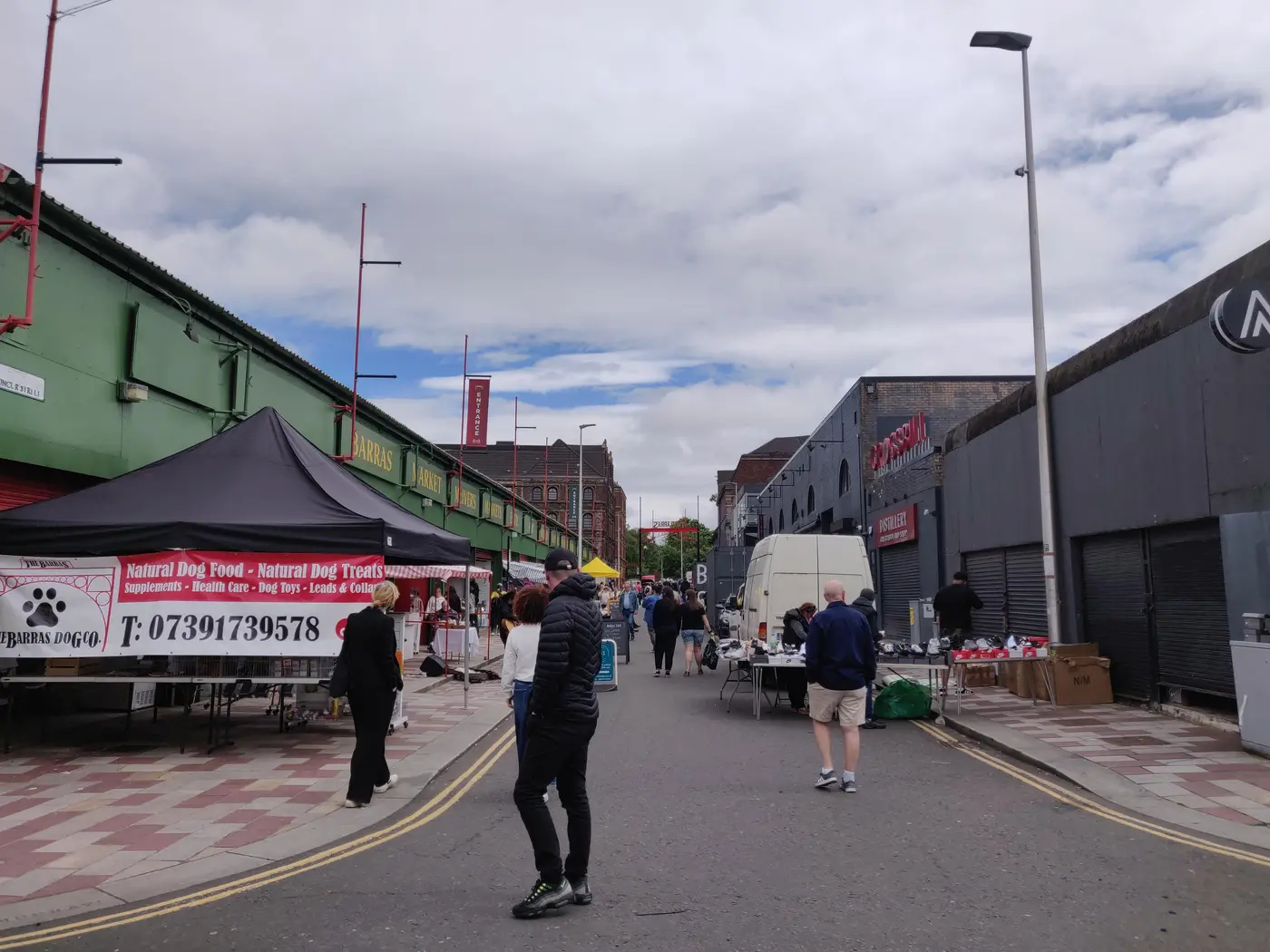
The shipyards and heavy industry that built Glasgow mostly closed in the second half of the twentieth century, and the city spent decades reinventing itself: European Capital of Culture in 1990, UK City of Architecture and Design in 1999, and host of the 2014 Commonwealth Games and the 2026 Games this summer. What came out the other side is a city with a genuinely different temperament from Edinburgh's festival polish: warmer, blunter, and organised around the West End's café culture, the Barras and the East End's market and music history, and a food and drink scene that runs from Michelin-adjacent small-plates restaurants in Finnieston to the Saturday sprawl of the Barras Market. Around 635,000 people live in the city itself, with well over a million across Greater Glasgow, and that West End café culture, East End market history and a pace that owes more to the shipyards than the festival calendar are as much a part of the place as the sandstone.
What's On
Upcoming events and things happening in Glasgow
The Barras Market (Weekend Market)
RecurringGlasgow's century-old East End weekend market: antiques, vintage, records and street food. Every Saturday and Sunday, 10:00-16:00.
Celtic Connections
RecurringBritain's biggest winter folk and roots music festival, across eighteen venues citywide. 14-31 January 2027.
Glasgow International Comedy Festival
RecurringA three-week spring comedy festival across Glasgow's theatres and clubs, one of the biggest in the UK outside the Fringe. 10-28 March 2027.
WestFest (West End Festival)
RecurringThe West End's month-long community arts festival each June, around 300 events across 60+ venues. 2027 dates not yet published; check before planning around it.
Glasgow Right Now
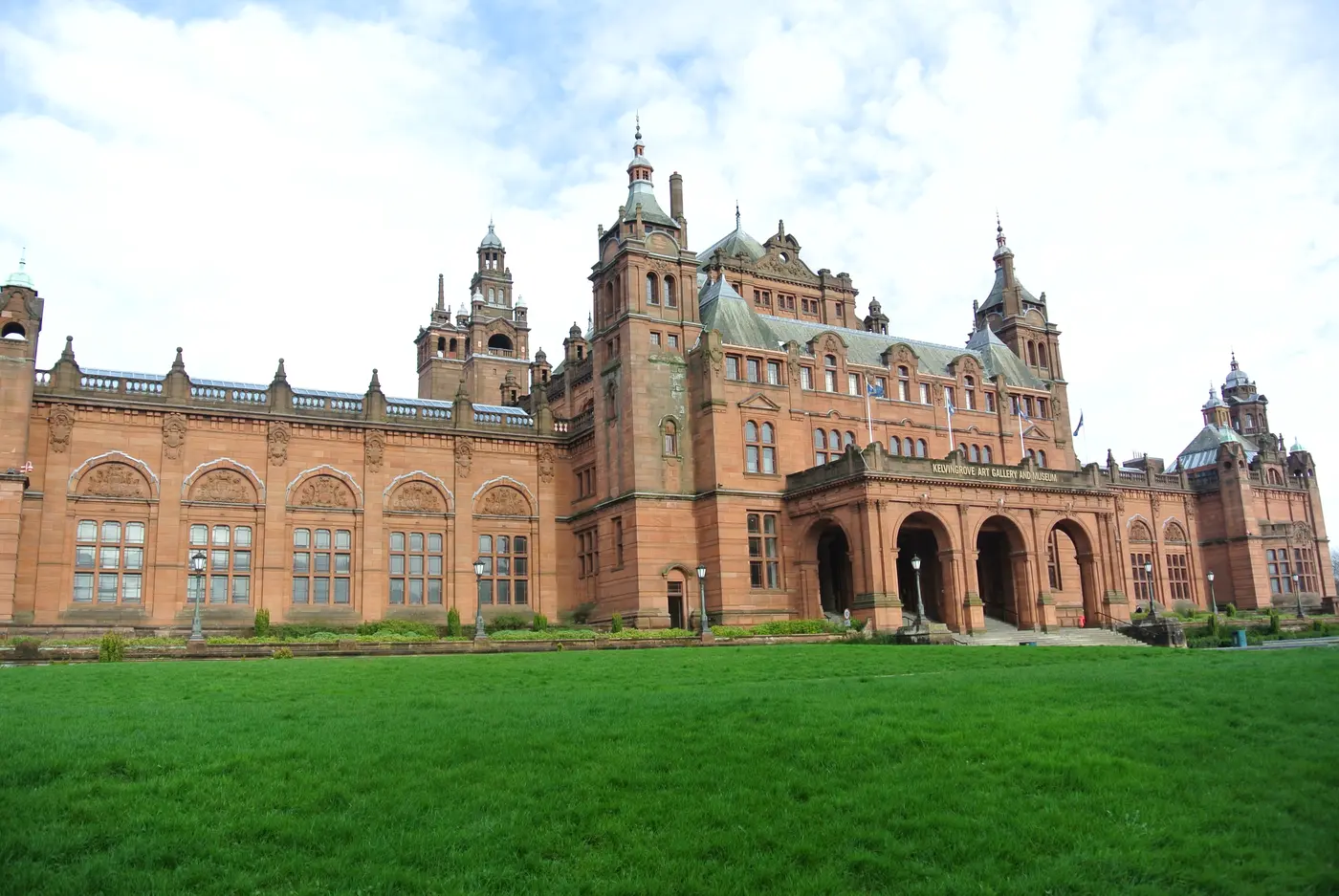
Glasgow is a west-coast Scottish city, which means rain is always the safe bet regardless of season: pack a proper waterproof rather than an umbrella, since it is usually windy too. Summers are mild, winters are wet more than they are cold, and daylight swings dramatically with the season. A wet day here is not a lost day: the Kelvingrove, GoMA and the Riverside Museum are all free, all excellent, and all indoors.
🚆 National Rail from Glasgow Central & Glasgow Queen Street
Live departures, both stations
National Rail service from Glasgow Central & Glasgow Queen Street. Updates every few minutes.
Where To Eat
From fine dining to casual favourites
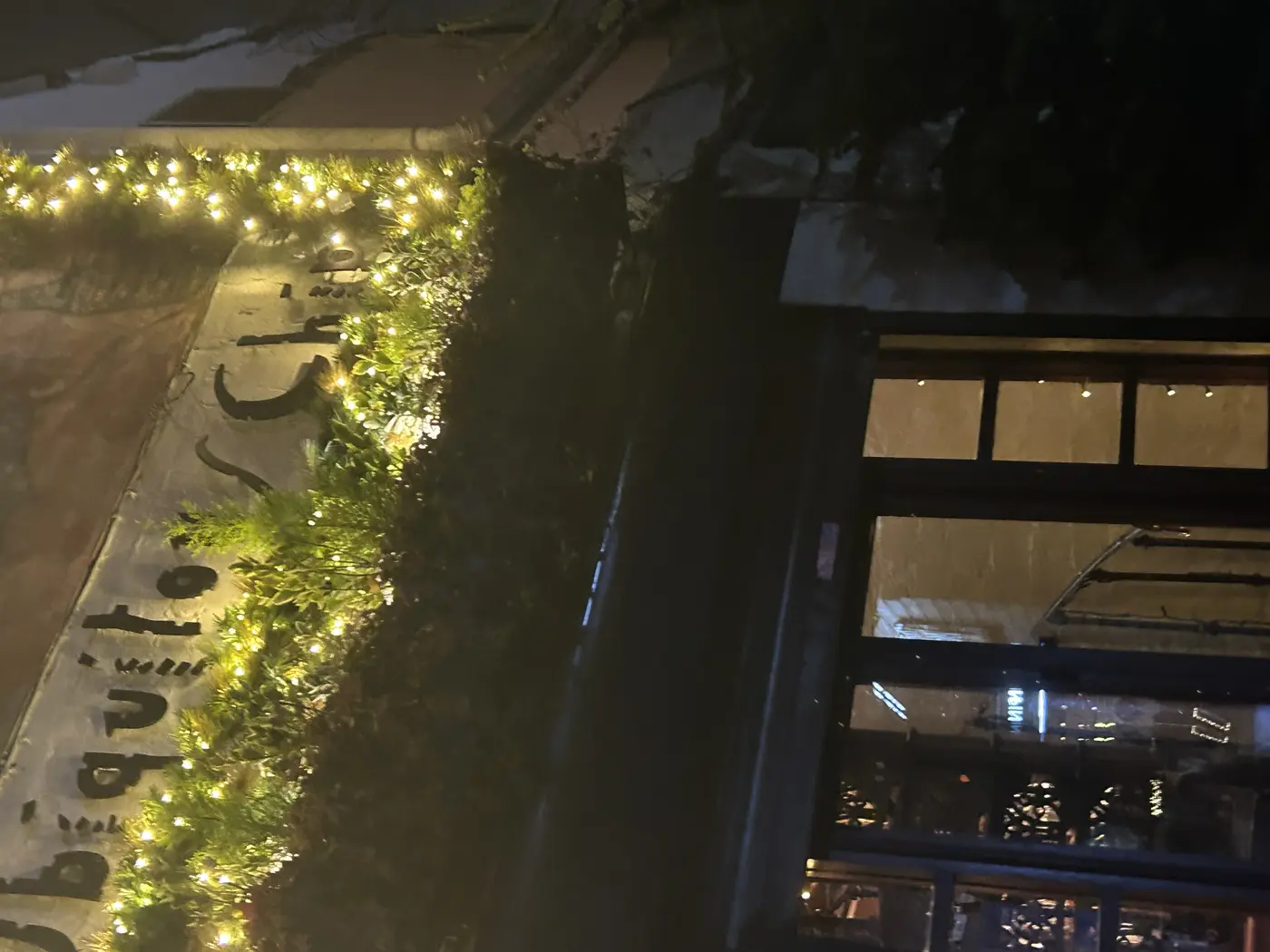
Ubiquitous Chip
The West End institution that helped invent modern Scottish cooking, on Ashton Lane since 1971, with a glass-roofed courtyard dining room.
Ox and Finch
Long-running small-plates restaurant near Kelvingrove that helped set the template for sharing food in Glasgow. Busy; book ahead.
Crabshakk
Small, perpetually busy Finnieston seafood restaurant with a walk-in oyster and langoustine bar at the front. Book for a table; walk in for the bar.