SpringMarch - May
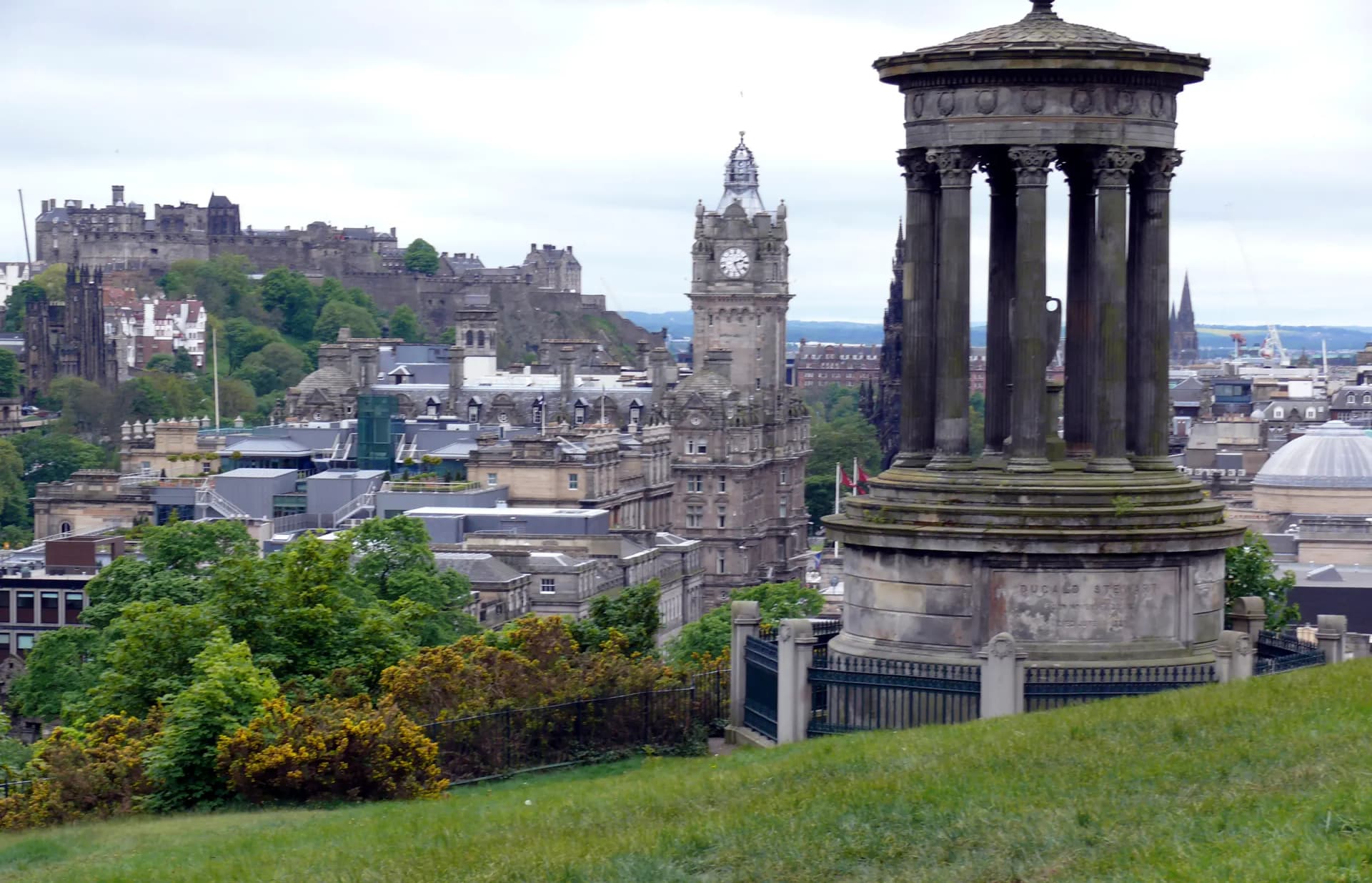
Gorse turns Arthur's Seat yellow, the Botanics come into bloom, and the city is at its least crowded between the winter and the festivals. Beltane Fire Festival marks 30 April on Calton Hill.
Spring is the locals' favourite stretch of the Edinburgh year, and it is not close. The gorse comes out on Arthur's Seat and turns whole flanks of Holyrood Park yellow, the Royal Botanic Garden runs through its rhododendron season, and the daylight stretches fast, by May it is light past nine. The festivals are still months away, so restaurants that need booking weeks ahead in August can often take a table the same day. It can still be genuinely cold on the hills into April; the haar, the sea fog that rolls in off the Forth, is most common in spring and early summer and can drop the temperature ten degrees in an hour. Beltane Fire Festival on Calton Hill on 30 April is the season's one big fixture, a ticketed, modern revival of the old fire festival that fills the hill with drummers and painted performers.
SummerJune - August
August is festival season: the Fringe, the International Festival, the Tattoo and the Book Festival run at once, the city roughly doubles in population, and everything from beds to dinner tables needs booking far ahead.
Summer in Edinburgh is really two seasons. June and July are long, bright and busy but manageable, with daylight past ten at midsummer. Then August happens. The Festival Fringe, the International Festival, the Royal Edinburgh Military Tattoo and the Book Festival all run simultaneously, the Royal Mile becomes a slow river of flyers and street shows, and accommodation prices double or worse. If you are coming for the festivals, book beds and any restaurant that takes reservations months ahead, and treat the Old Town as a venue rather than a thoroughfare. If you are not coming for the festivals, do not come in August. Either way, the hills are the escape: Arthur's Seat at 7am in August is as quiet as it is in February, and the view over a festival city waking up is one of the best things Edinburgh does.
AutumnSeptember - November
The festivals pack up, the students arrive, and the city settles back into itself. Golden light on the crags, autumn colour in the Botanics and along the Water of Leith, and no queue for anything.
September is the exhale. The festival infrastructure comes down within days, the University's students arrive in their tens of thousands, and Edinburgh goes back to being a city that belongs to the people who live in it. It is arguably the best visiting month: the light turns golden on the crags, the Botanics and the Water of Leith walkway run through proper autumn colour into November, and restaurant tables that were mythical in August are bookable again. The weather shortens and sharpens, and by late November the days are short enough that a 3.30pm sunset from Calton Hill is a reasonable plan rather than a compromise. Indoor Edinburgh, the National Museum, the galleries, the pubs with fires, starts earning its keep.
WinterDecember - February
Short days, Christmas markets on Princes Street, and Hogmanay, the New Year festival Edinburgh treats as its second festival season, with the Torchlight Procession and the Street Party.
Edinburgh winter is dark, at the solstice the sun sets before 3.45pm, and the city leans into it. December fills Princes Street Gardens and George Street with Christmas markets and rides, and then Hogmanay takes over: the Torchlight Procession, the Concert in the Gardens, the Street Party on 31 December and First Footin' events on New Year's Day, a festival Edinburgh runs with the same seriousness it gives August. Expect accommodation over New Year to price like festival season and book accordingly. January and February are the quietest months of the year, cold, often wet, occasionally snow-dusted, and genuinely atmospheric: the Old Town closes by lamplight, a candlelit dinner at the Witchery, or a fireside pint and a game in the old skittle alley at the Sheep Heid out in Duddingston.