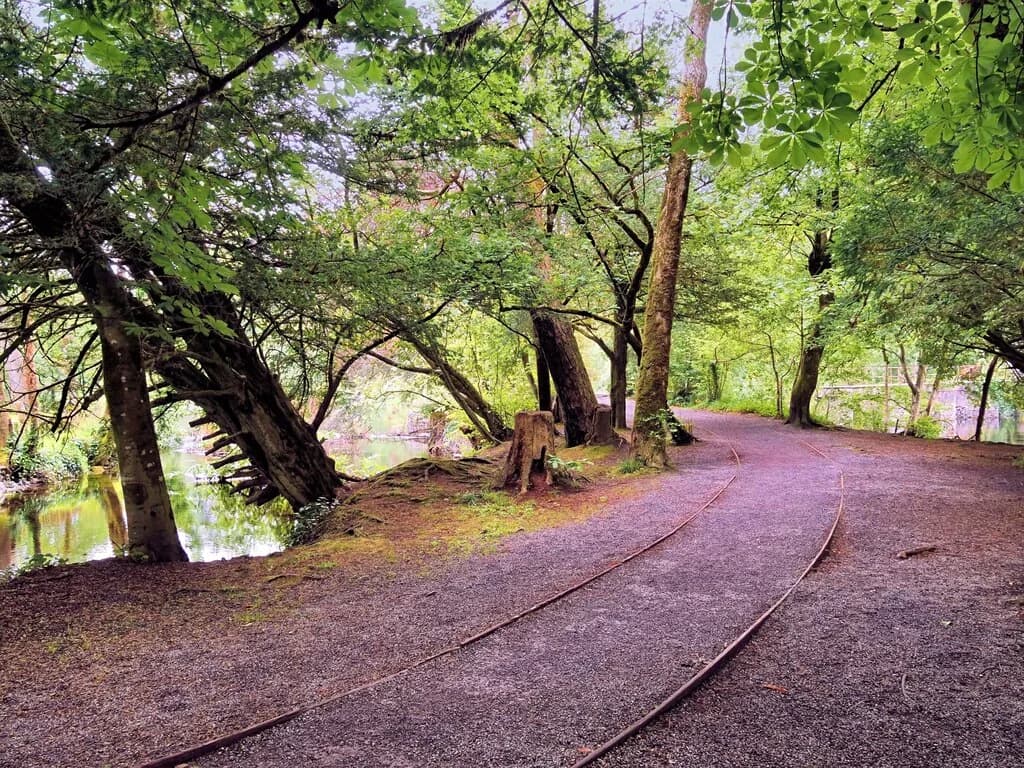
Cong Woods and the Guinness Tower
2.3 km nature trail, 12 km return to Clonbur · Minimal elevation
About
Coillte's Cong Forest begins where the abbey ends: walk through the cloister, follow the yew walk, cross the footbridge over the Cong River and you are in it. The trees are a Victorian planting, laid out when the Guinness family held Ashford and the 26,000 acres around it, which is why a walk in what looks like ordinary Connacht woodland turns up redwoods and giant sequoia. The landmark is the Guinness Tower, a stone watchtower of roughly twenty metres just off the nature trail. The Guinnesses also cut tracks and tunnels across their estate so the family could move about without using public roads, and those are the paths that now give the village its off-road walking and cycling. Coillte's marked Cong Nature Trail is 2.3 km and takes about an hour; the longer forest route through to Clonbur is 12 km return and about three and a half hours, and it crosses into County Galway on the way. Coillte currently has a notice on the Cong Forest page saying the main recreational trails are open but access to some trails remains restricted after storm damage, with repairs under way, so follow the signage on site.
Photos
Highlights
- ✓The Guinness Tower, a stone watchtower of about twenty metres
- ✓Redwoods and giant sequoia in the middle of a Galway wood
- ✓Teach Aille and the Pigeon Hole, both swallow holes into the underground river
- ✓The old estate tracks, now off-road walking and cycling
Tips
- →Forest roads are unsurfaced and stay wet. Boots, not trainers.
- →Sport Ireland's trail record gives the nature trail as 1.3 km with 20 m of ascent; Coillte, which manages the forest, gives 2.3 km. We have used Coillte's figure.
- →Dogs on a lead per both the Coillte and Sport Ireland listings.
- →The Pigeon Hole is gated for safety. You can see down into it, not into it.
- →Park in the village car park; there is no car park in the wood itself.
Best Season
More Attraction Activities
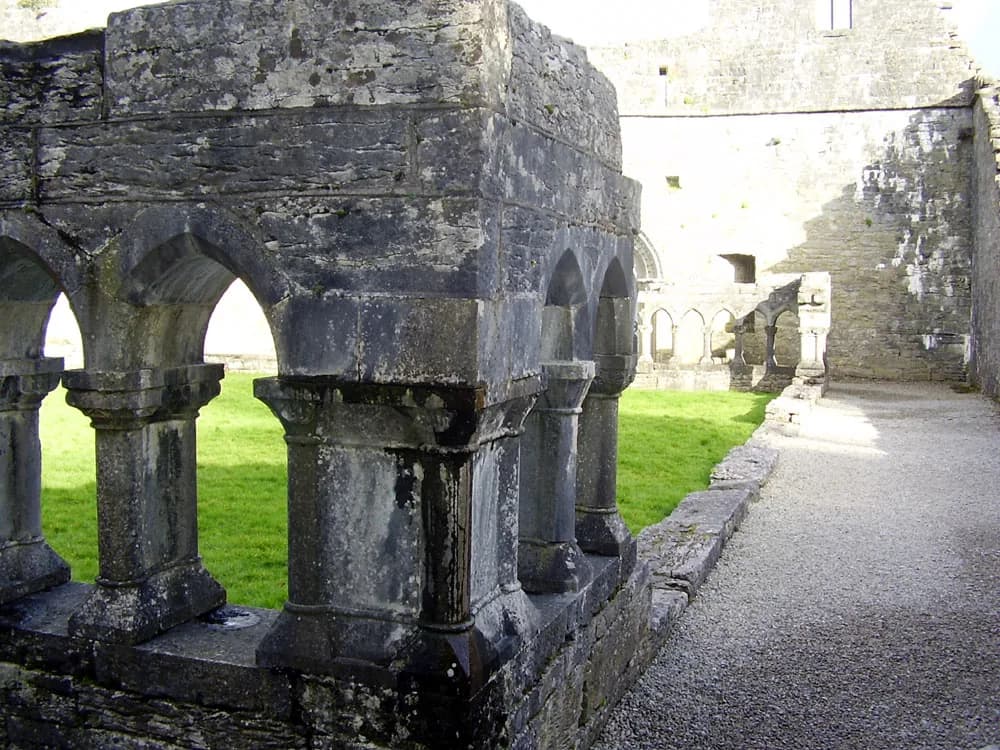
Cong Abbey and the Royal Abbey cloister
Free, unguided twelfth-century Augustinian ruin in the middle of the village, where the last High King is said to have died.
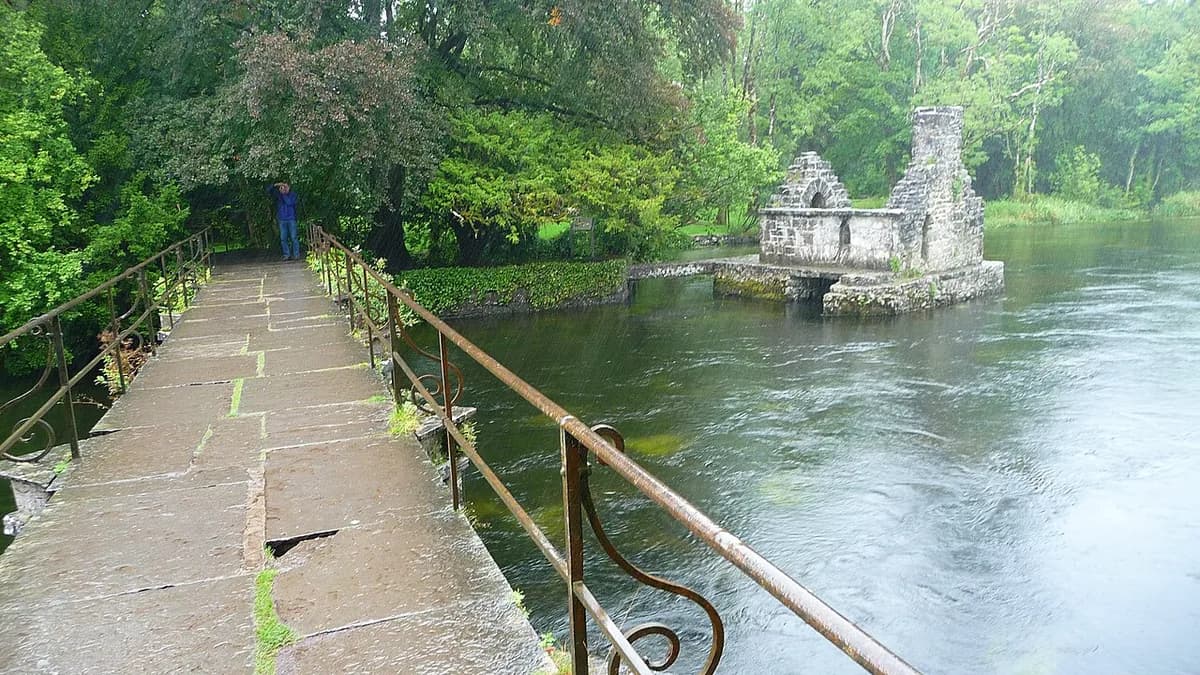
The Monks' Fishing House
A roofless stone fishing hut built out over the Cong River, part of the abbey's national monument.
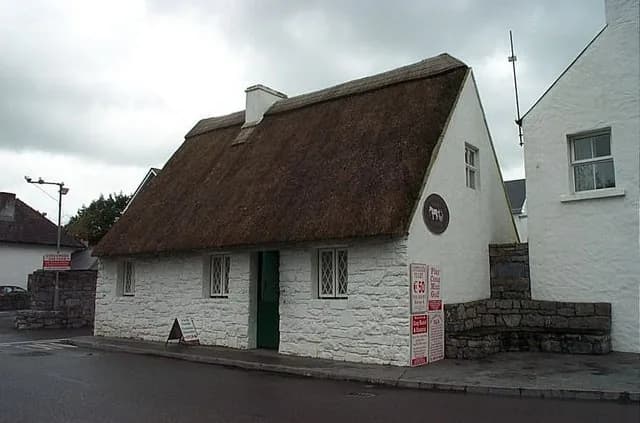
The Quiet Man Museum
A replica of the film's White O'Morn cottage, with original artefacts and a wall of 1951 newspaper cuttings.