Conwy Suspension Bridge and Toll House
99.5 metre span ·
About
Thomas Telford built this between 1822 and 1826 to carry the London to Holyhead mail road across the river, and its towers were deliberately shaped to echo the castle it lands beside, which is a nineteenth-century engineer paying attention to a thirteenth-century one. The span is 99.5 metres. It carried road traffic until 13 December 1958, the day the modern road bridge alongside it opened, and the National Trust has owned it since 1965. It is open now to pedestrians and cyclists, with the toll house at the far end. Stand on it and turn once: Telford's 1826 chains are under your feet, Robert Stephenson's 1849 wrought-iron tubular railway bridge is immediately upstream to the south, and the 1958 road bridge is immediately downstream toward the estuary. Three crossings inside seventy metres of river, which is a century and a third of British bridge-building in a single view. 2026 is the bridge's bicentenary and Conwy Town Council held a Telford 200 parade on 27 July.
Photos
Highlights
- ✓Built 1822 to 1826 by Thomas Telford for the London to Holyhead mail road
- ✓Towers styled to answer the castle's own turrets
- ✓Carried road traffic until 13 December 1958
- ✓The best vantage point on the town's three-bridges-in-a-row sequence
Tips
- →The bridge is open to pedestrians and cyclists. Check the National Trust page for toll house opening, which is separate and seasonal.
- →2026 is the bicentenary year. The town council's Telford 200 parade was held on 27 July 2026.
- →It is exposed. On a windy day this is the coldest twenty minutes of a Conwy visit.
Best Season
Accessibility
The deck is a level pedestrian and cycle route, but check approach and toll house access in the National Trust access statement.
More Attraction Activities
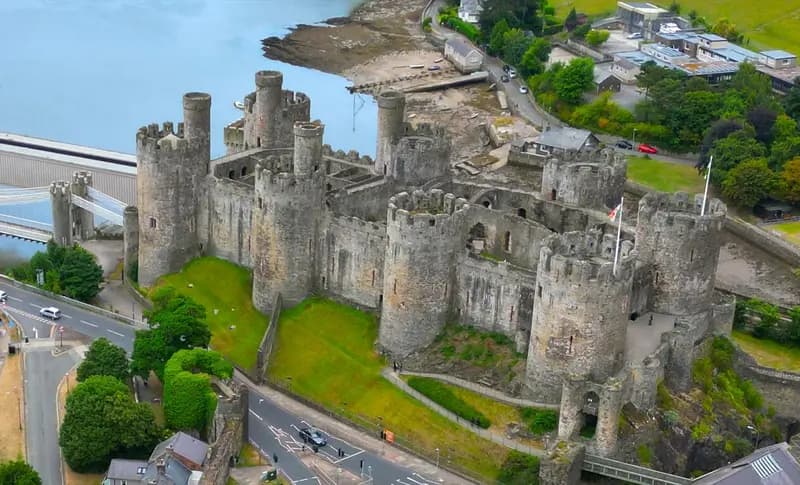
Conwy Castle
Edward I's 1283 castle above the river, one of four components of a single UNESCO inscription.
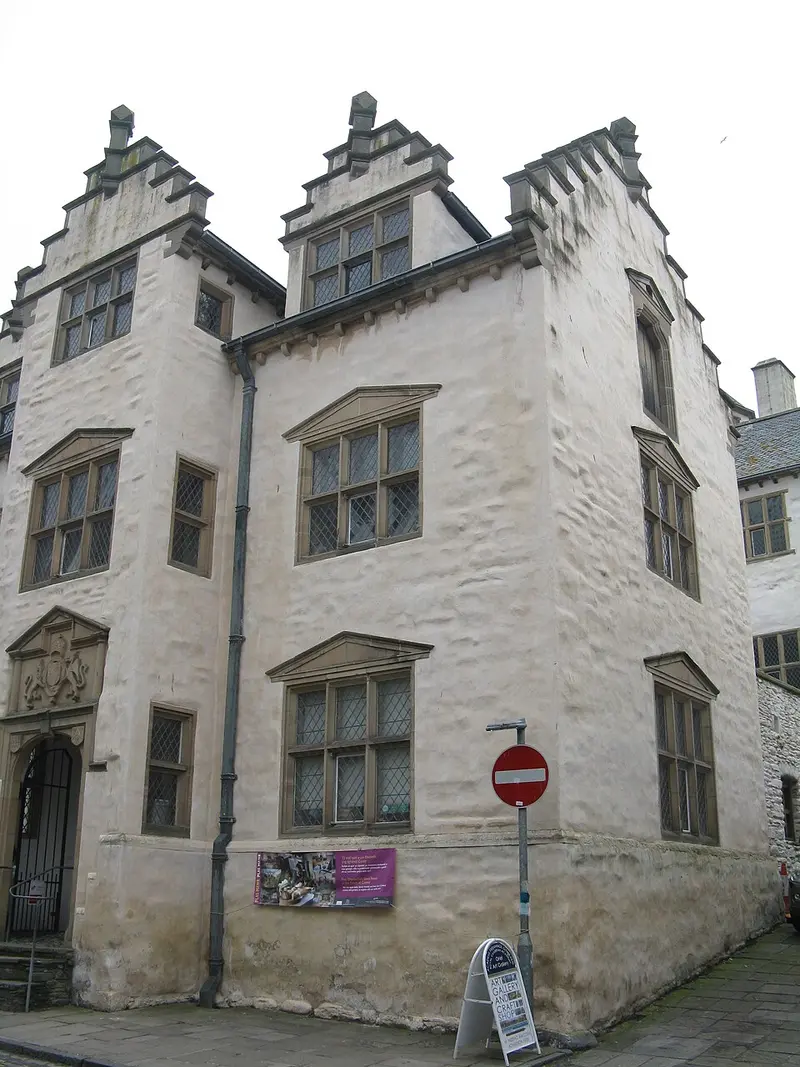
Plas Mawr
An Elizabethan merchant's townhouse of 1576 to 1585 with its original plasterwork. Closed 2 November to 28 February.
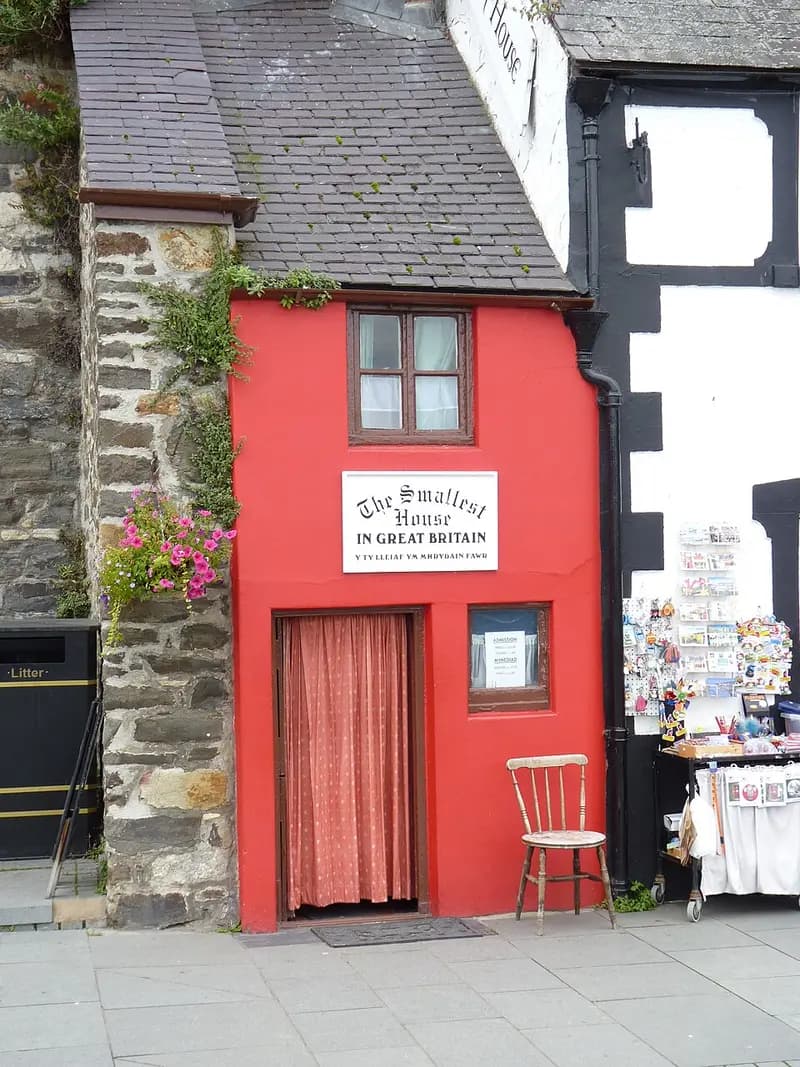
The Smallest House in Great Britain
72 inches wide by 122 inches high, on the quay. Lived in until 1900. Bring cash.