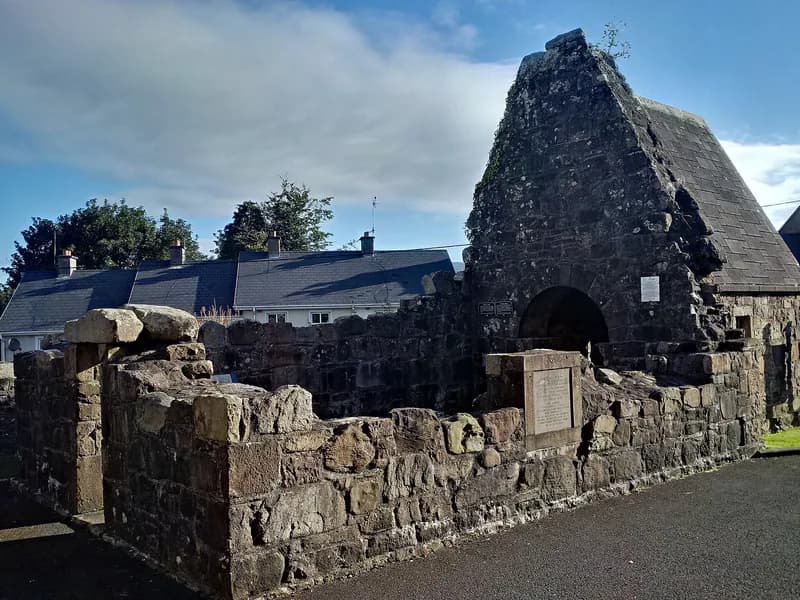
St Molua's Oratory
About
The oratory that gave Killaloe its name, Cill Dalua, the church of St Molua, rebuilt on the hill above the town after its island was drowned. According to St Flannan's Cathedral's own history, St Molua's church stood on Friar's Island in the Shannon until the island went under in the 1930s with the building of the Ardnacrusha power station, and the church itself was moved to the grounds of the Roman Catholic church in Killaloe. It now stands beside St Flannan's Catholic church on the high ground at the top of the town in Co. Clare, a small steep-roofed stone building with a lintelled doorway. Kincora, Brian Boru's palace, was in the town itself, and local tradition puts it on this high ground; nothing of it survives above ground.
Photos
Highlights
- ✓The church that gave Killaloe, Cill Dalua, its name
- ✓Moved from Friar's Island before the Shannon Scheme flooded it
- ✓On the hilltop traditionally identified with Kincora
Tips
- →It is a short, steep walk up from the bridge; combine it with St Flannan's Cathedral on the way down.
- →Nothing of Kincora itself survives to see; the hilltop is the place, not a ruin.
Best Season
More Heritage Activities
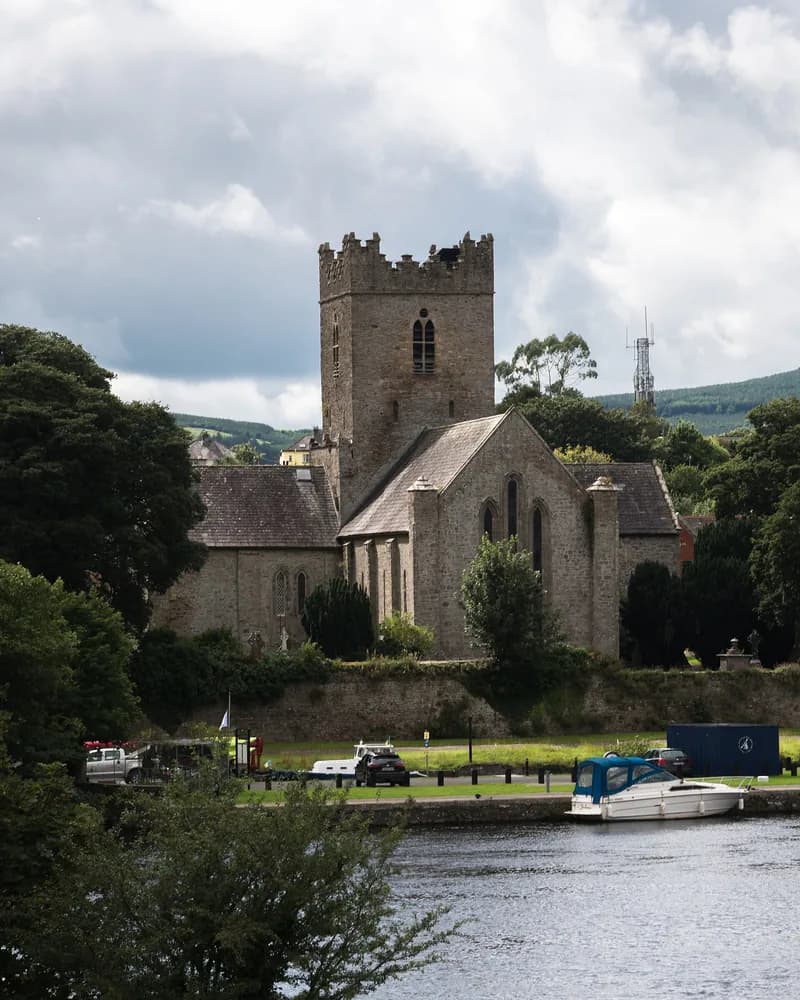
St Flannan's Cathedral
Killaloe's sandstone cathedral of 1195 to 1225, with a Romanesque doorway, the ogham and runic Thorgrim stone, and a stone-roofed oratory in the graveyard. Co. Clare.
Béal Ború
The grassy ringfort on a spur above the Shannon that tradition ties to Brian Ború, a short way north of Killaloe on the Clare bank. Free, no facilities.
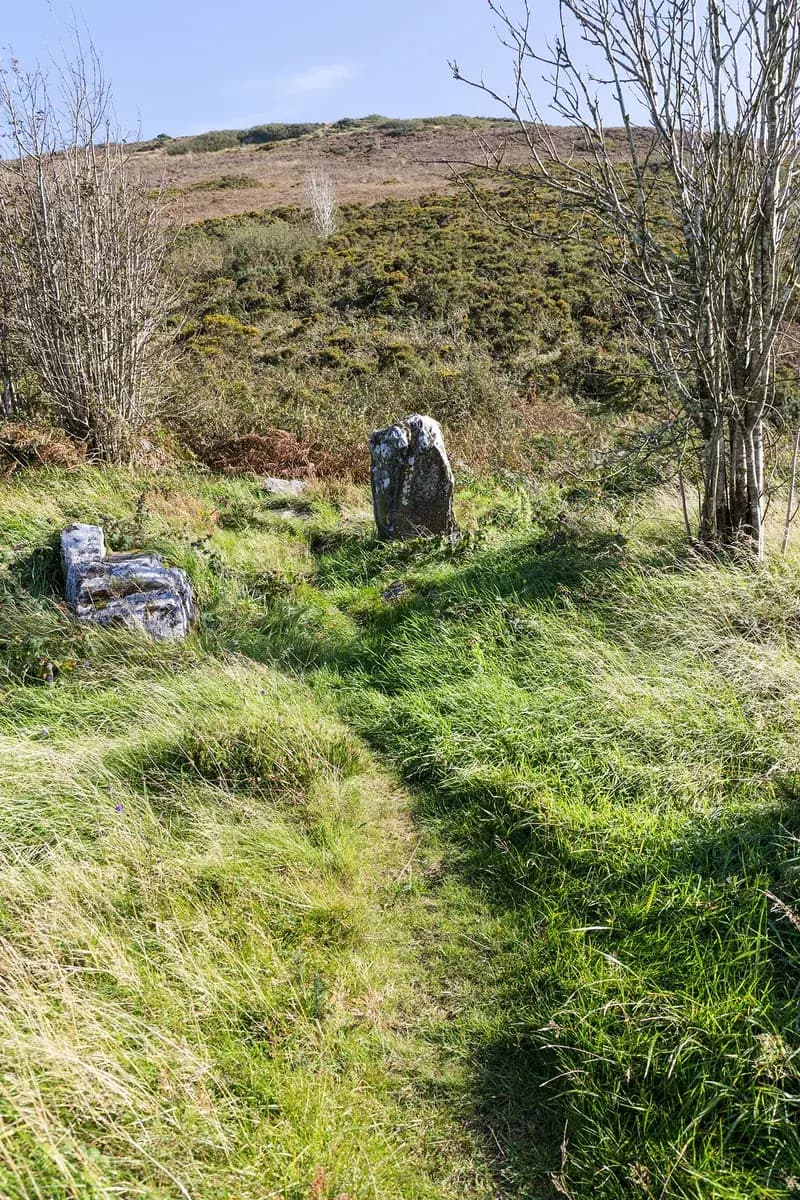
Graves of the Leinstermen, Tountinna
A standing stone on Tountinna's slope in Co. Tipperary with the whole foot of Lough Derg below. A 5.6km waymarked loop starts at the car park.