Béal Ború
About
A big earthen ringfort on a spur between the Shannon and the Killaloe to Tuamgraney road, about 1.5km, roughly a mile, north of the bridge on the Clare side, at the point where the lake narrows into the river. Discover Ireland describes it as long identified as the ancient seat of Brian Ború and credits the folklorist Dáithí Ó hÓgáin with the view that Brian was born or reared here, and that the name Béal Bóramha means the port of the cattle tribute. Brian was High King from 1002 until his death at Clontarf in 1014, and his headquarters was Kincora, back up the hill in the town. Be clear about what you are visiting: it is a grassy, tree-ringed rampart above the water, with no visitor centre and nothing built to look at, and its value is the position. Stand on the bank and you can see why whoever held this spur watched the river crossing.
Photos
Highlights
- ✓Ringfort traditionally tied to Brian Ború
- ✓Commands the point where Lough Derg narrows into the Shannon
- ✓Free and open, no facilities
Tips
- →It is on the R463 towards Tuamgraney; most people drive or cycle out.
- →The river cruise passes below the spur, which is the best way to see how it sits over the water.
Best Season
More Heritage Activities
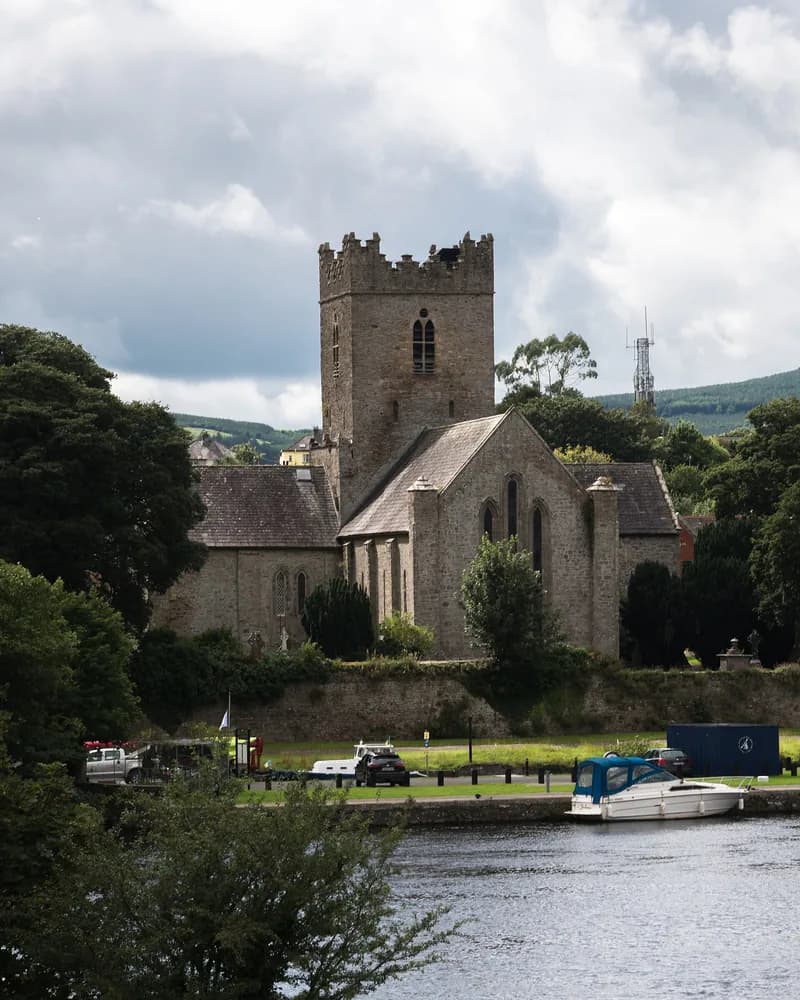
St Flannan's Cathedral
Killaloe's sandstone cathedral of 1195 to 1225, with a Romanesque doorway, the ogham and runic Thorgrim stone, and a stone-roofed oratory in the graveyard. Co. Clare.
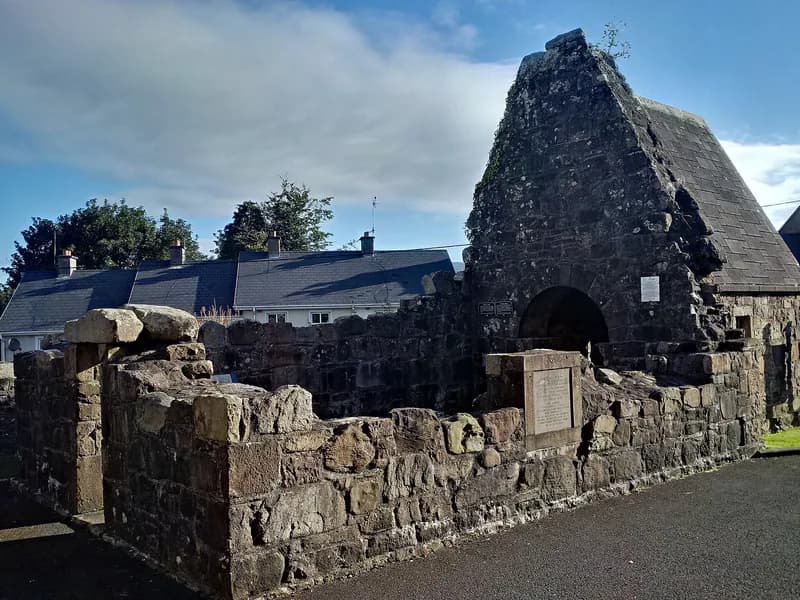
St Molua's Oratory
St Molua's church, moved stone by stone from Friar's Island when the Shannon Scheme flooded it, now beside St Flannan's Catholic church on Killaloe's hilltop. Co. Clare.
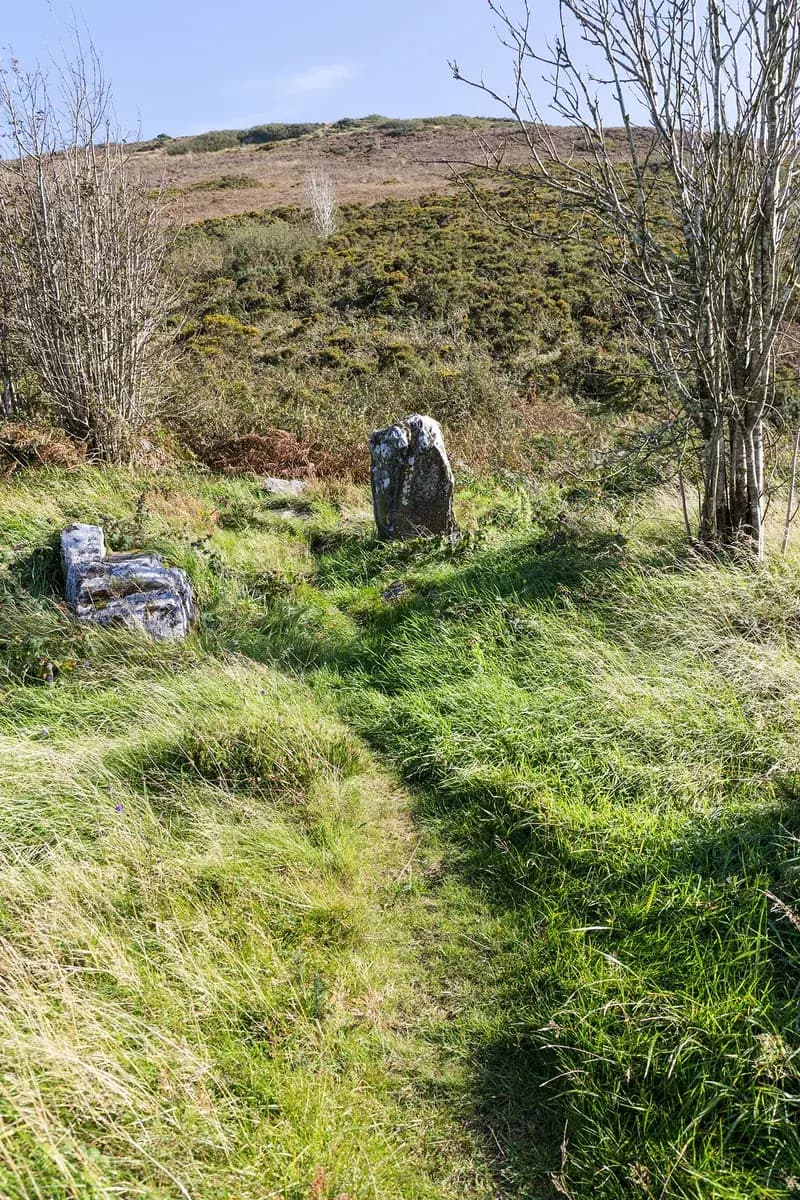
Graves of the Leinstermen, Tountinna
A standing stone on Tountinna's slope in Co. Tipperary with the whole foot of Lough Derg below. A 5.6km waymarked loop starts at the car park.