About Howth
The history, geography, and character of Howth.
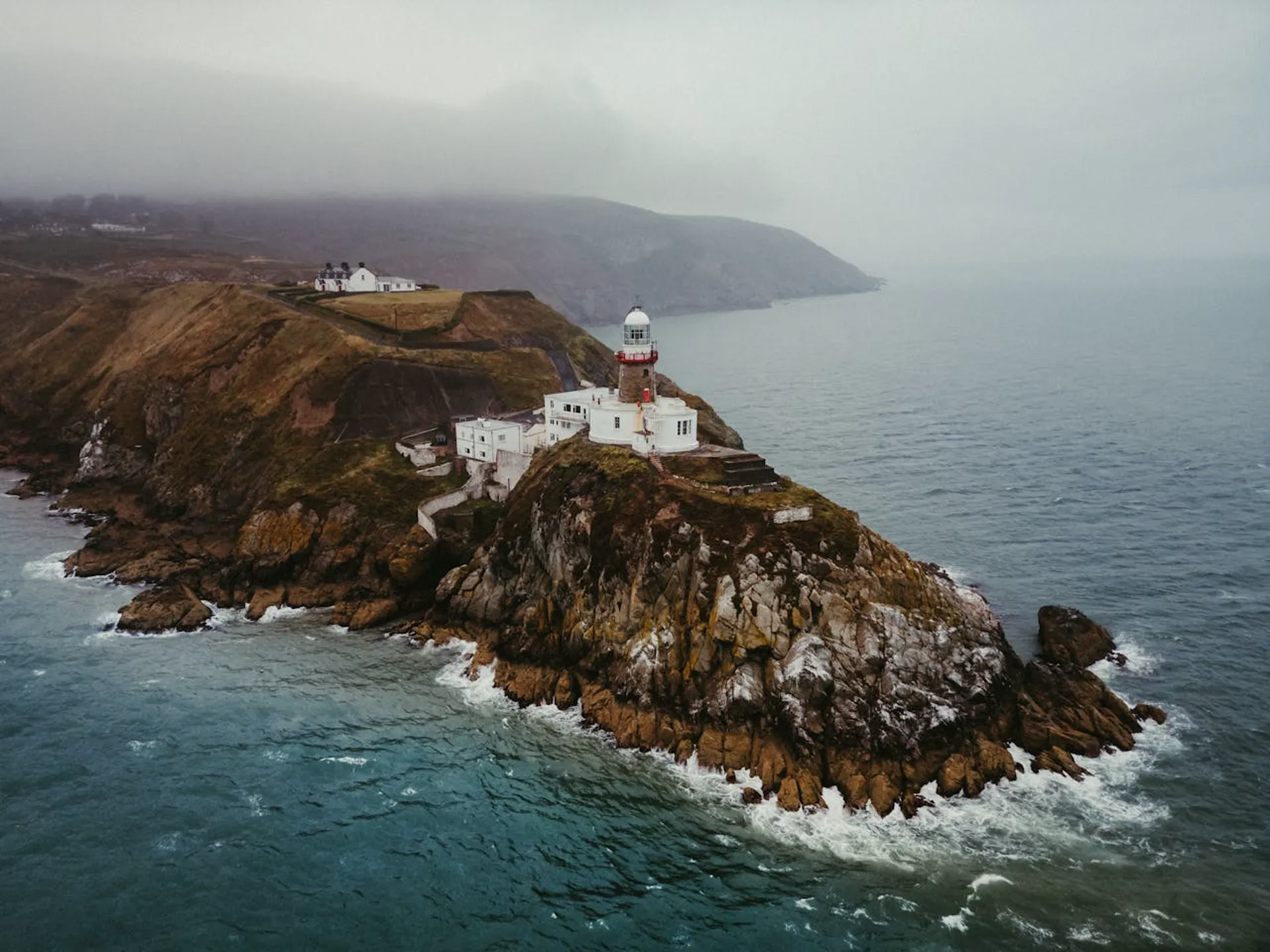
Howth is a peninsular village and outer suburb on Dublin's northside, occupying the greater part of Howth Head peninsula. Once an island in prehistoric times, it's now connected to the mainland by a sandy isthmus at Sutton Cross. A mix of wild hillside, coastal paths, and a busy commercial fishing port with a strong village identity.
History & Heritage
Ancient History
Howth has been settled since at least the 4th millennium BC. Two ancient middens have been found on the peninsula, along with a dolmen (portal tomb) dating to around 3,500 BC. The area features prominently in Irish mythology.
Viking Era
Vikings attacked Lambay Island, Ireland's Eye, and Howth from 795 AD onwards. The name 'Howth' derives from the Old Norse word 'Hofuth', meaning 'head', a reference to the headland that defines the peninsula.
Norman Period
Howth fell to the Normans in 1177. Almeric Tristram, the first Lord of Howth, was granted land and built the first castle near the harbour. The St. Lawrence family has maintained a presence in Howth since 1177.
Howth Castle
One of the oldest continuously occupied buildings in Ireland, Howth Castle has been built and expanded over centuries through architects including Bindon, Morrison, and Lutyens. The castle is famous for the story of pirate queen Grace O'Malley (Grainne Mhaol), who visited in 1576. When she was turned away from dinner, she kidnapped the Earl's heir and demanded that unexpected guests never be turned away again. To this day, the gates of Deer Park remain open to the public and an extra place is still set at formal dinners.
Maritime Heritage
Howth has been a fishing village and small trading port from at least the 14th century. The harbour remains an active commercial fishing port today, and the Howth Yacht Club, founded in 1895, maintains a strong sailing tradition with a 250-berth marina.
Literary Connection
Howth is immortalised in James Joyce's 'Ulysses'. The famous final chapter features Molly Bloom's memories of Howth Head, one of the most celebrated passages in modern literature.
Wildlife & Nature
Marine Life
Harbour Seals
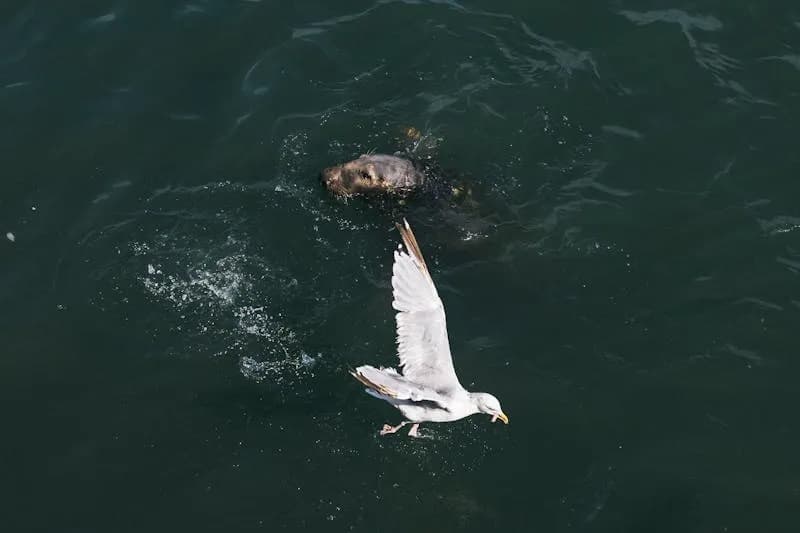
A colony of seals lives in Howth Harbour, scrounging scraps from fishermen. One famous seal even learned to 'wave' at tourists. One of the easiest places to see seals in Ireland.
Year-round
Puffins
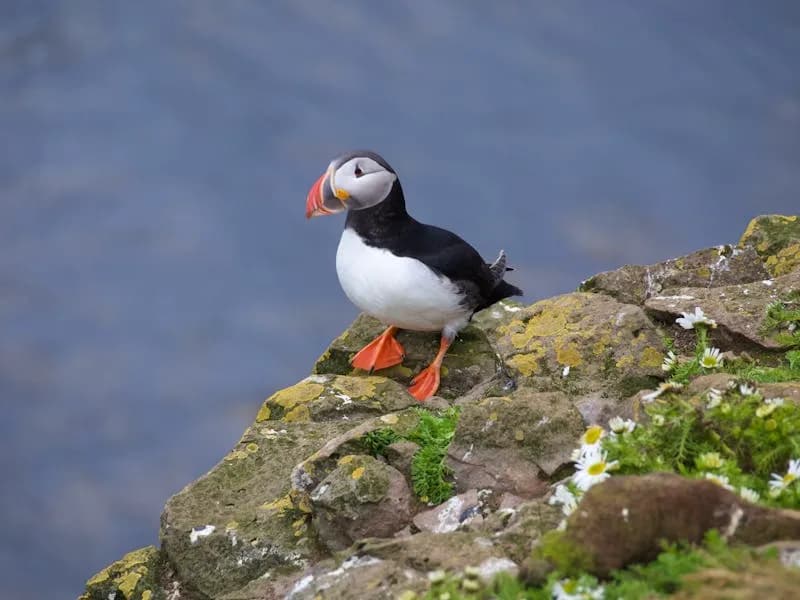
Puffins arrive on Ireland's Eye in April and leave by the end of July. Take a boat trip to spot these colourful seabirds nesting on the island.
April - July
Common Dolphins
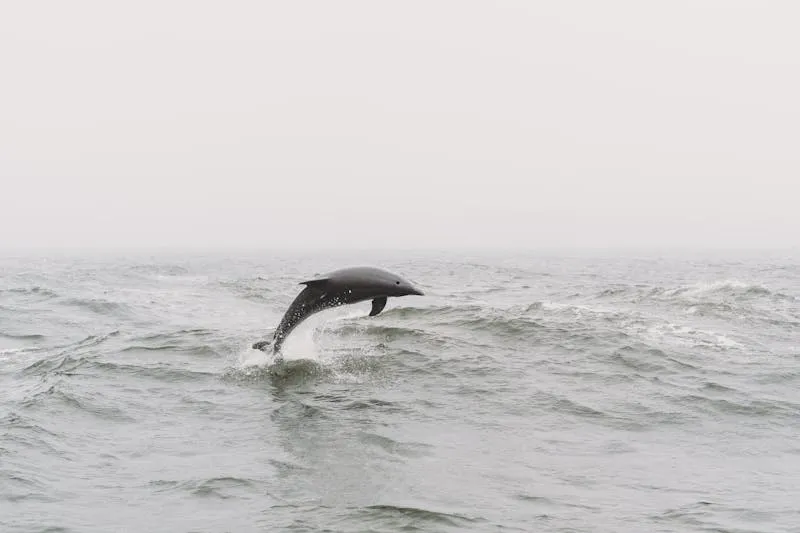
Common dolphins are regularly spotted in Dublin Bay and off Howth Head, particularly in summer. Watch from the cliff walk or take a boat trip for a closer look.
June - September
Birdlife
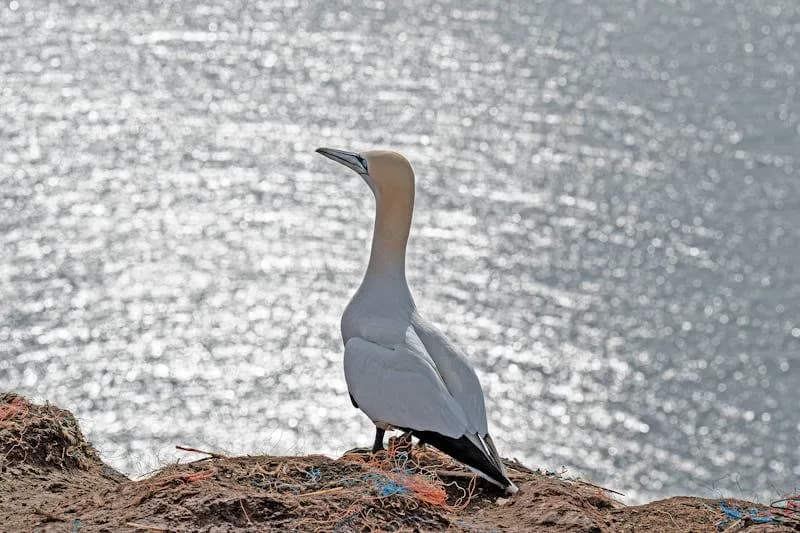
Gannets
Gannets soar around the sea stack on Ireland's Eye, diving dramatically into the water to catch fish.
Spring - Autumn
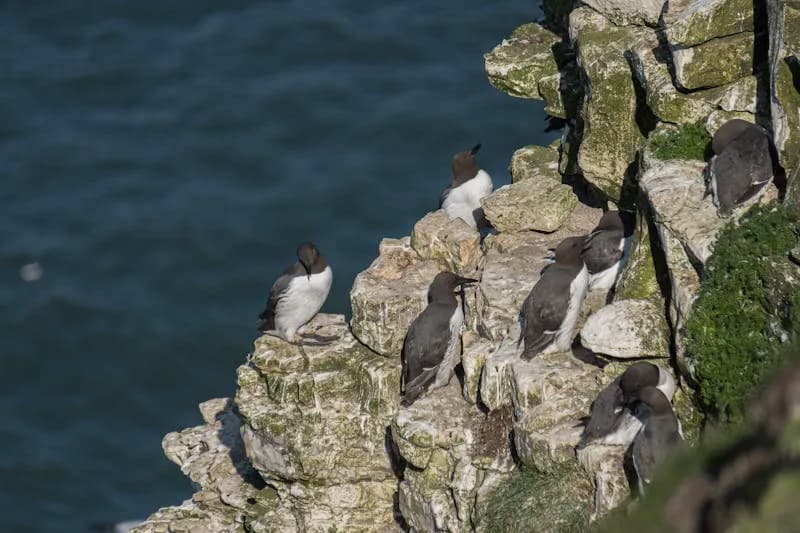
Guillemots & Razorbills
These seabirds nest on the cliffs of Ireland's Eye, which is designated as a Special Protection Area for bird conservation.
Spring - Summer
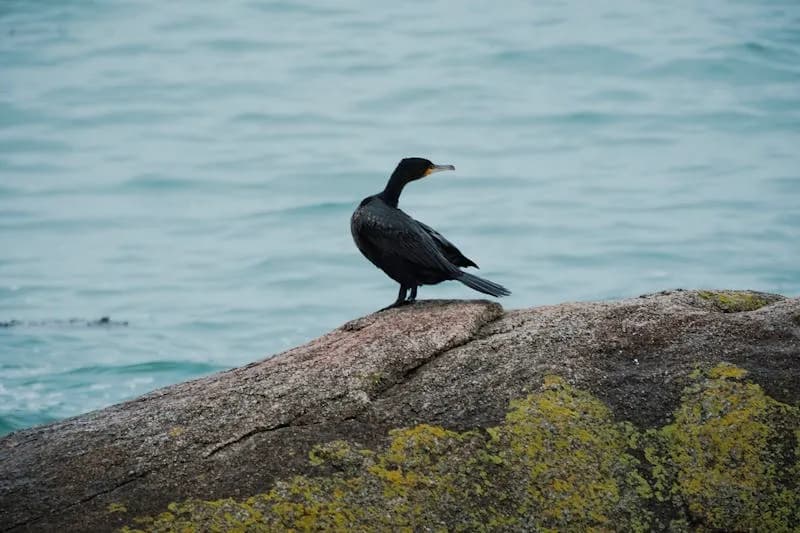
Cormorants
Often seen perched on rocks with wings outstretched to dry, cormorants are a common sight around the harbour and Ireland's Eye.
Year-round
Flora
Rhododendrons
Wild rhododendrons put on a spectacular bloom in late spring, especially in the Howth Castle gardens.
May - June
Heathland & Wildflowers
Howth Head is covered in heathland with wildflowers along the cliff walks, particularly colourful in spring and summer.
Spring - Summer
Ancient Beech Hedges
Some of Ireland's oldest beech hedges are found at Howth Castle, planted in 1710 and now over 300 years old.
Year-round