About Windsor
The history, geography, and character of Windsor.
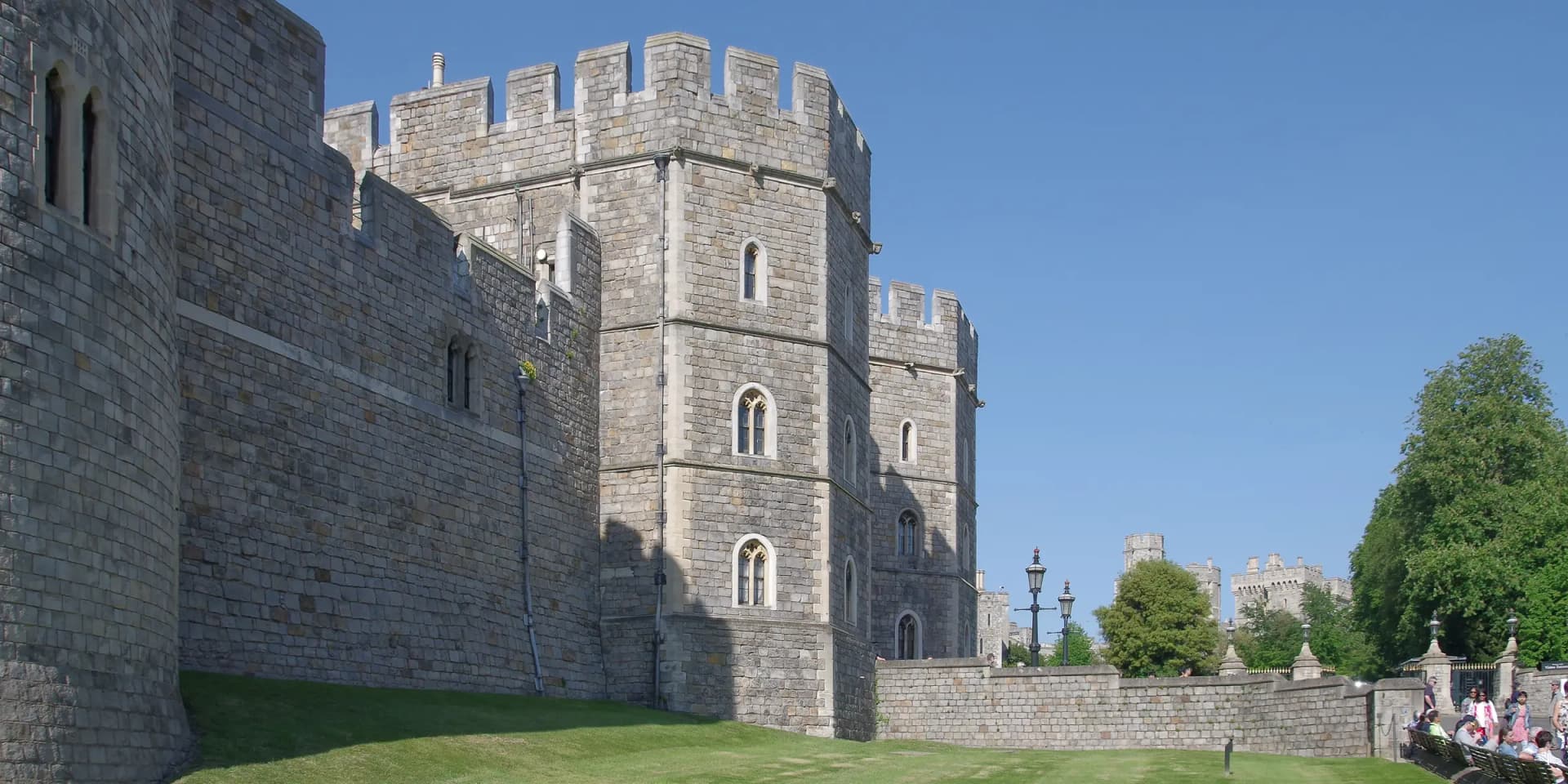
Windsor is a Thames-side town in Berkshire, about twenty miles west of London and a short distance from Heathrow, built around Windsor Castle. The Castle has been a royal residence for over nine hundred years and is still a working one, which gives the town its formal, ceremonial character and its steady flow of visitors. Beyond the Castle walls, Windsor is a compact and walkable place opening onto the Long Walk and the thousands of acres of Windsor Great Park, with the River Thames threading through and the college town of Eton just across the bridge. It is one of England's easiest and most rewarding day trips from London, and it repays a longer stay.
History & Heritage
A working royal castle and the town around it
Windsor exists because of its Castle. Founded by William the Conqueror in the eleventh century as one of a ring of fortifications around London, Windsor Castle grew into the largest and oldest continuously occupied castle in the world, and it remains an official royal residence used by the monarch. That living royal function shapes the whole town: the Household Cavalry are based here, the Changing of the Guard draws crowds on ceremony days, and the Castle can close to visitors at short notice for state occasions. A visit centres on the State Apartments, richly hung with works from the Royal Collection, and on St George's Chapel, the Gothic chapel begun in 1475 that is the home of the Order of the Garter and the burial place of eleven monarchs, from Henry VIII to Elizabeth II. The town that grew up beneath the walls is handsome and compact, its two railway stations and its main shopping streets all within a few minutes of the Castle gates.
The Long Walk and Windsor Great Park
One of the reasons Windsor rewards more than a Castle visit lies immediately to the south of it. The Long Walk, a dead-straight tree-lined avenue laid out by Charles II in the 1680s, runs for two and a half miles from the George IV Gateway to the Copper Horse, an equestrian statue of George III on Snow Hill, with the Castle framed behind you the whole way. It leads into Windsor Great Park, more than five thousand acres of former royal hunting forest with a resident herd of red deer, some of the oldest oak trees in northern Europe, and the ornamental Savill Garden, which is worth a visit in its own right and rewards a return at a different time of year. The Park is free to walk and one of the finest pieces of accessible landscape near London.
The Thames and Eton across the bridge
The River Thames runs along the north edge of the town, non-tidal this far upstream and busy with pleasure boats. French Brothers run scheduled trips from the promenade by Windsor Bridge, the easiest way to see the Castle and the riverbank from the water, and the riverside gardens and pubs make the most of the setting. Across Windsor Bridge, a short walk from the Castle, lies Eton, an almost untouched town dominated by Eton College, the school founded by Henry VI in 1440. Eton's long High Street of antique shops and old inns is quieter and more villagey than Windsor itself, and the college opens its own museums to the public on Sunday afternoons, a low-key counterpoint to the Castle's grandeur.
Legoland, Ascot and Magna Carta country
Windsor also sits at the centre of a cluster of day-trip draws that make it a strong base rather than just a stop. Legoland Windsor, a couple of miles south of the town, is the biggest attraction in the area for families with young children, though it runs a seasonal calendar rather than opening year-round. A short drive away, Ascot Racecourse hosts Royal Ascot each June and racing throughout the year, and the drive there through Windsor Great Park is part of the appeal. Downriver at Runnymede, a few miles from the town, is the riverside meadow where Magna Carta was sealed in 1215, now a National Trust site scattered with memorials and modern art and shaded by the ancient Ankerwycke Yew. Between them, the Castle, the Park, the river, Eton and these outlying draws give Windsor far more than the half-day most visitors allow it.
Wildlife & Nature
Mammals
Red deer of the Great Park
Windsor Great Park holds a managed herd of red deer, several hundred strong, within the enclosed Deer Park section reached from the Long Walk. Descended from animals reintroduced in the twentieth century in a park that was a Norman royal hunting forest, they are the signature wildlife of a walk out from the Castle, best seen in the quieter early morning or late afternoon.
Year-round in the Deer Park, best in early morning or late afternoon; the autumn rut is the most dramatic
Birdlife
Mute swans on the Thames
The stretch of the Thames through Windsor and Eton is home to mute swans, which are counted each July in the historic Swan Upping ceremony as it passes the town. Along with other waterfowl on the river, they are an easy, constant presence from the riverside promenade and the boat trips.
Year-round on the river; the Swan Upping census passes Windsor and Eton in the third week of July